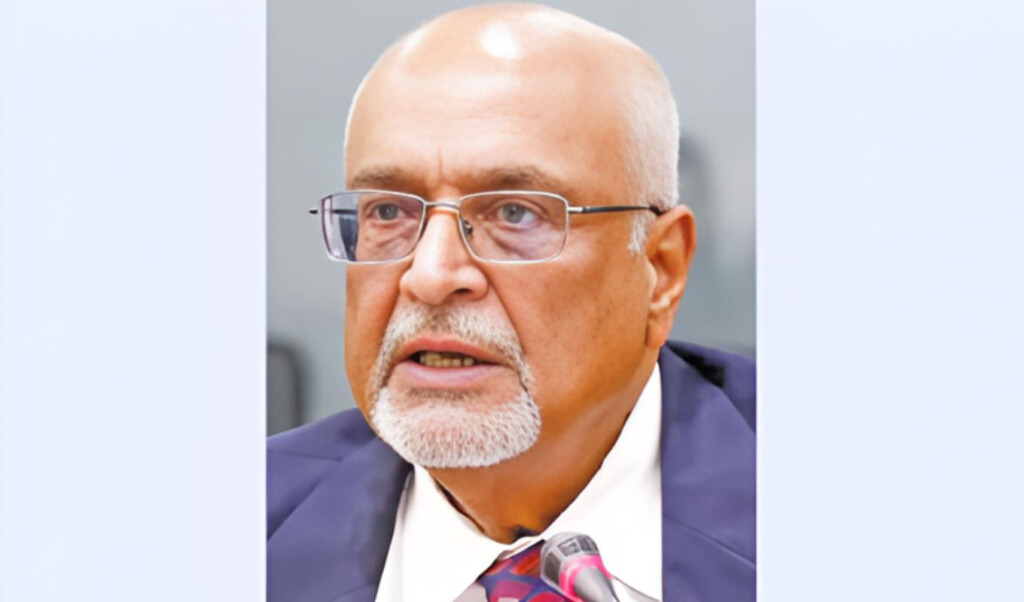
The upcoming fiscal year is expected to be highly challenging for Bangladesh’s economy, with mounting pressures that could significantly constrain budget formulation and implementation, according to leading economist Dr. Debapriya Bhattacharya.
Speaking at a pre-budget media briefing organised by the Citizens’ Platform at the Centre for Policy Dialogue (CPD) auditorium in Dhaka, he cautioned that a combination of global and domestic economic stressors is likely to make the next budget a “pressure-laden” one for the incumbent government. The event was hosted by Centre for Policy Dialogue.
Dr. Bhattacharya highlighted that rising global energy prices, persistent inflationary trends, and weakening domestic revenue mobilisation are collectively intensifying fiscal vulnerabilities. He warned that continued shortfalls in tax collection are already straining development expenditure and could further disrupt public investment planning if not urgently addressed.
He further noted that inadequate progress in revenue generation is creating a structural imbalance in public finance. As a result, the government is finding it increasingly difficult to align expenditure commitments with available resources. This, he argued, risks undermining medium-term economic planning and delaying key development projects.
Another major concern raised was the growing burden of external and domestic debt. According to him, the economy is entering a phase where additional borrowing alone may no longer be sufficient to sustain macroeconomic stability. Combined with ongoing volatility in global energy markets, this is expected to place additional pressure on foreign exchange reserves and exchange rate stability.
Inflation remains a central challenge. With consumer prices already elevated, further external shocks—particularly in fuel and import costs—could exacerbate cost-of-living pressures for households and reduce purchasing power across income groups.
Key Macroeconomic Pressures Ahead of Budget
| Area of Concern | Current Situation | Potential Risk in Upcoming Budget |
|---|---|---|
| Energy Prices | Volatile global oil and gas markets | Higher import bill and subsidy pressure |
| Inflation | Persistently high domestic inflation | Reduced real incomes and demand pressure |
| Revenue Collection | Below-target tax mobilisation | Constrained public expenditure |
| Public Debt | Rising debt servicing obligations | Limited fiscal space for new spending |
| Exchange Rate | External pressure on forex reserves | Currency instability risks |
Dr. Bhattacharya stressed that the forthcoming budget must be grounded in realism and supported by structural reforms rather than ambitious but unattainable targets. He emphasised that prudent fiscal management, improved tax administration, and better prioritisation of expenditure will be essential to maintaining economic stability in the face of ongoing domestic and global uncertainties.
In his view, the first budget of the new government will effectively serve as a test of its economic strategy and reform commitment, particularly in navigating a period marked by constrained resources and heightened uncertainty.