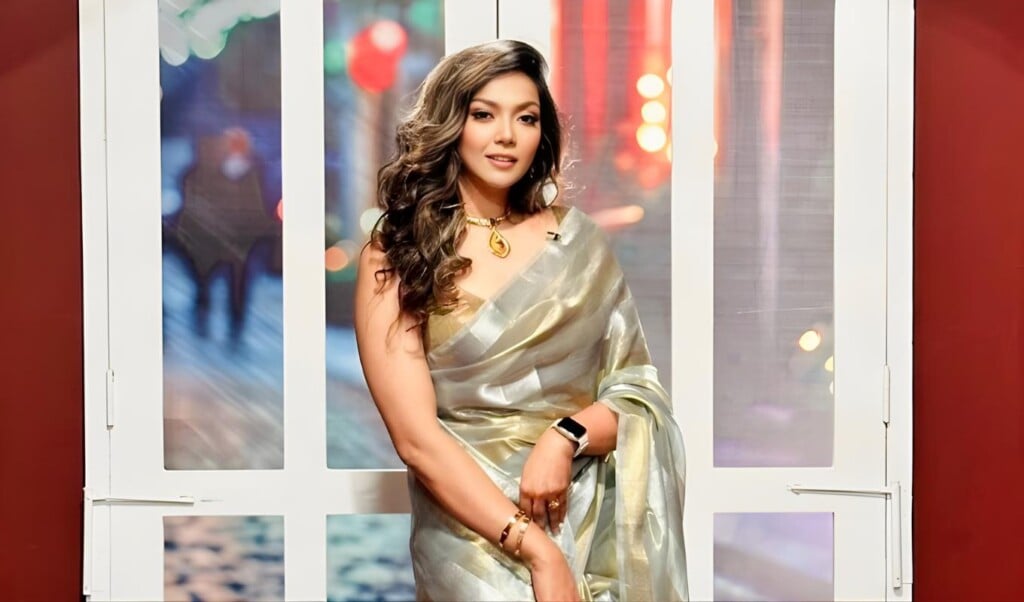
Singer Dola Rahman has reflected on her deep personal connection with Pahela Baishakh, describing it as a festival that shaped both her cultural identity and her musical journey. Fresh from recording several Eid releases, she revisited childhood memories that continue to influence her artistic expression.
She recalls growing up in a large, closely knit family where Pahela Baishakh was not merely an annual celebration but a shared household experience. The day was filled with indoor festivities, including games, group singing, and dance, all of which were deeply embedded in Bengali cultural practice. Afternoons were often reserved for visiting local fairs, followed by extended family gatherings that created a vibrant and joyous atmosphere.
From an early age, Dola found herself at the centre of musical encouragement. Family members would frequently invite her to sing, a habit she believes played a pivotal role in shaping her confidence. Her brother was similarly encouraged, creating a supportive environment that nurtured both siblings’ creative growth. Influenced strongly by her mother’s appreciation for classical Bengali music, Dola gradually developed a versatile repertoire that now spans traditional songs, contemporary releases, festive compositions, and seasonal performances.
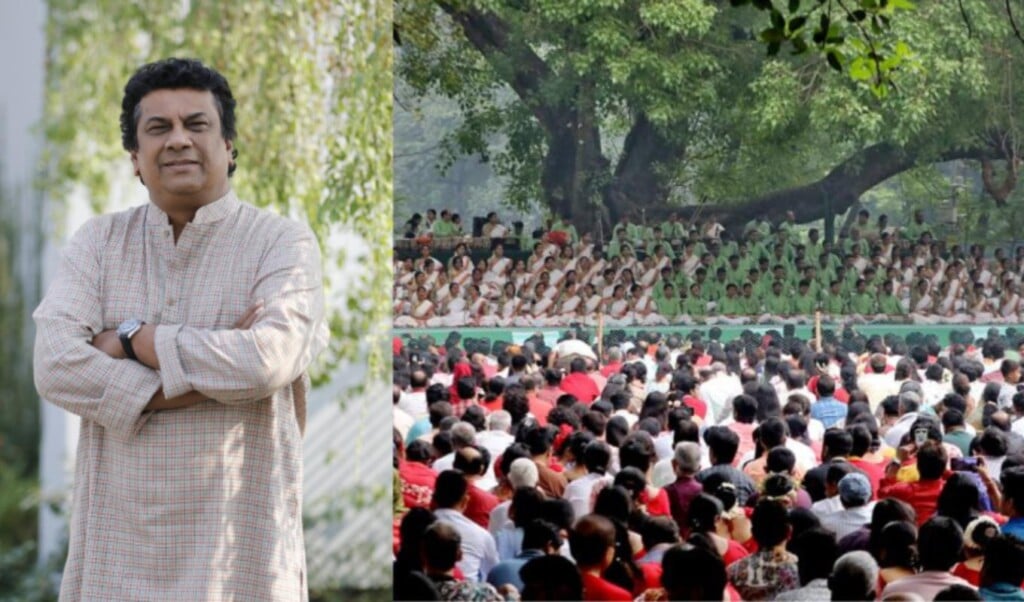
Speaking about Pahela Baishakh performances, she described the occasion as uniquely energising for artists. The festive crowd, traditional attire, and collective spirit of celebration create what she called a “complete cultural experience”. She noted that even when performing her own compositions, she often blends in familiar folk-inspired melodies that resonate strongly with audiences during the new year celebrations.
Although her professional commitments now limit her participation in festive events, she continues to preserve elements of her childhood traditions whenever possible. She fondly remembers the morning rituals of dressing in traditional attire, enjoying festive foods, and visiting open-air gatherings. While her schedule no longer allows for extended participation, she hopes to revisit at least part of the traditional celebration this year.
One element she remains particularly attached to is traditional sweets. She emphasised that no Pahela Baishakh morning feels complete without the presence of well-known regional delicacies, especially those from Porabari, alongside other popular Bengali confections. For her, these flavours are inseparable from the emotional texture of the festival.
Pahela Baishakh Traditions Recalled by Dola
| Element of Celebration | Childhood Experience | Present-Day Reflection |
|---|---|---|
| Family gatherings | Large joint-family celebrations with singing and games | Limited attendance due to work commitments |
| Morning rituals | Traditional attire and festive meals | Occasionally maintained when possible |
| Cultural activities | Visits to fairs and group performances | Selective participation in events |
| Music practice | Frequent encouragement to sing at home | Professional performances and recordings |
| Festive foods | Traditional sweets and celebratory dishes | Strong continued preference, especially sweets |
For Dola, Pahela Baishakh remains more than a calendar event. It is a living archive of family memories, cultural continuity, and artistic inspiration that continues to shape her identity as a performer.