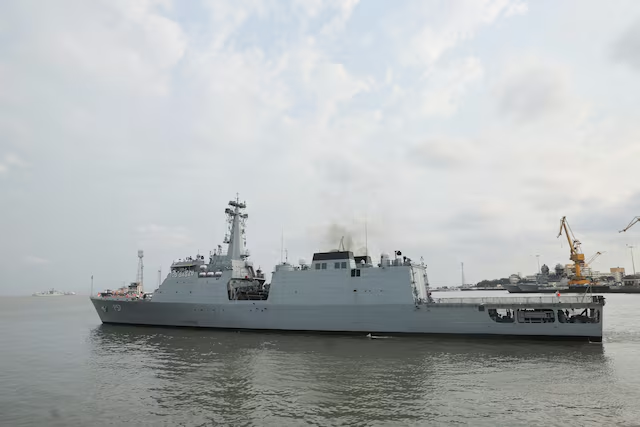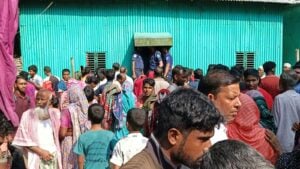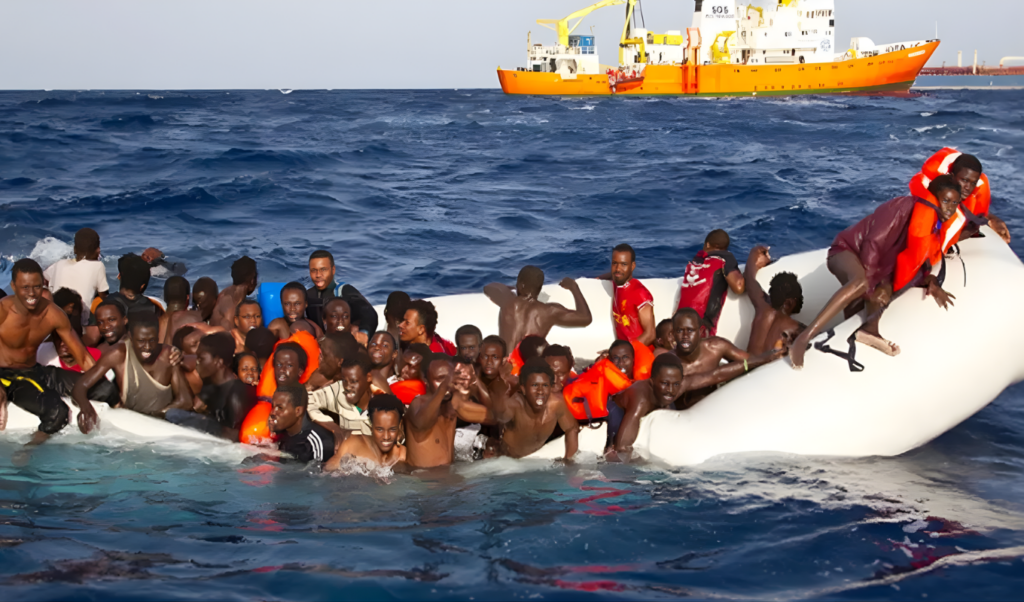
Local authorities in Libya have recovered the bodies of seventeen migrants off the coast of Zuwara, a city situated approximately 117 kilometres west of the capital, Tripoli. The operation was conducted over several days by the Emergency Medicine and Support Centre, an agency operating under the Libyan Ministry of Health.
Incident Overview and Identification
The recovery mission involved medical teams and emergency responders who transported the deceased in ambulances for processing. According to official reports from the rescue teams, the legal and religious rites for fourteen of the deceased have already been completed, and they have been buried in accordance with local regulations.
Investigations into the identities of the remaining individuals are ongoing. However, medical officials have formally confirmed that one of the victims was a Bangladeshi national. His remains have been handed over to his family members currently residing in Tripoli. The identities of two other individuals remain unverified as forensic investigations continue.
Migration Trends and Regional Context
Since 2011, Libya has served as a primary transit point for migrants from Asia and Africa attempting to reach Europe. Driven by economic hardship, regional instability, and unemployment, thousands of individuals undertake the “Central Mediterranean route,” often facilitated by human smuggling networks.
The journey typically involves crossing the Sahara Desert and subsequently boarding overcrowded, unseaworthy inflatable or wooden vessels. These boats are frequently ill-equipped to handle the conditions of the open sea, leading to high mortality rates due to capsizing, dehydration, or exposure.
Data on Mediterranean Migration Routes
The Central Mediterranean route, connecting Libya and Tunisia to Italy and Malta, remains the deadliest maritime migration path globally. The following table outlines the primary risks and logistical factors associated with this route:
| Factor | Description |
| Vessel Types | Overcrowded rubber dinghies or dilapidated wooden fishing boats. |
| Primary Launch Points | Zuwara, Sabratha, and Garabulli (Libya); Sfax (Tunisia). |
| Leading Causes of Death | Drowning, hypothermia, and lack of fresh water/food. |
| Recovery Agencies | Libyan Coast Guard, Emergency Medicine and Support Centre, and NGOs. |
| Legal Framework | Collaboration with international bodies like the IOM and UNHCR for repatriation. |
Ongoing Humanitarian Challenges
The Emergency Medicine and Support Centre continues to monitor the coastline as part of its mandate to manage humanitarian crises and provide emergency medical services. The recovery of these seventeen individuals highlights the persistent dangers faced by migrants navigating Libyan waters.
While the Libyan authorities work to identify victims and coordinate with respective embassies, the influx of migrants remains steady due to the absence of a centralised security apparatus capable of fully dismantling smuggling rings. International organisations, including the International Organisation for Migration (IOM), have consistently documented that the lack of safe and legal pathways contributes to the recurring loss of life in the Mediterranean. Following the identification of the Bangladeshi citizen in this latest incident, efforts are being made to ensure proper documentation and support for the bereaved family in Tripoli.