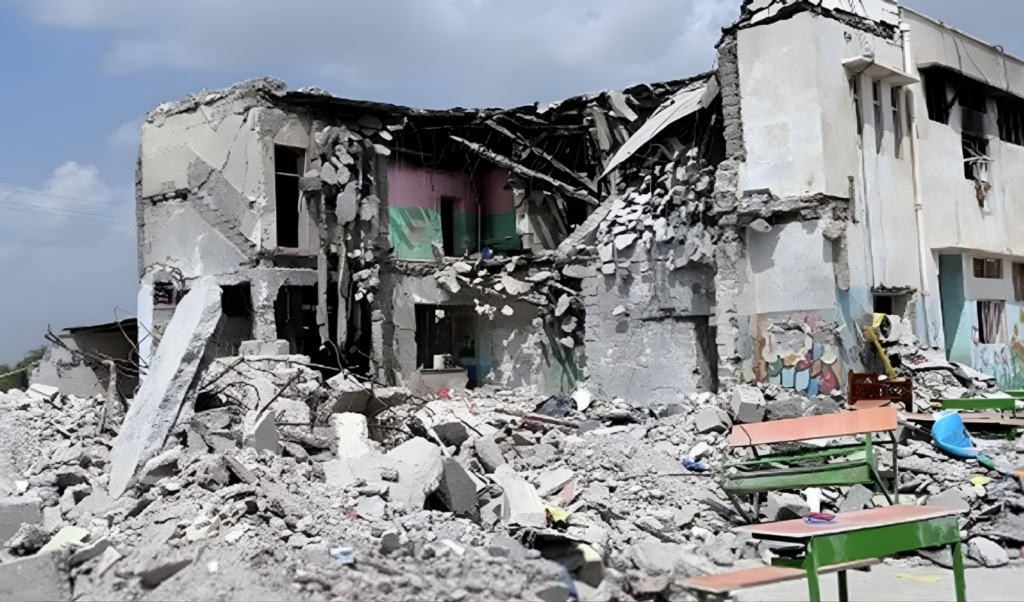
The Iranian Minister of Education, Alireza Kazemi, has announced significant progress in the restoration of the nation’s academic infrastructure. Following a period of military conflict involving strikes from the United States and Israel, Iran has successfully repaired more than half of the educational facilities affected. According to a report published by Dawn on Wednesday, 22 April 2026, the ministry has confirmed the completion of works on 775 schools out of a total of 1,300 damaged institutions.
Geographical Impact and Infrastructure Loss
Minister Kazemi detailed the extent of the destruction, noting that approximately 20 schools were entirely demolished during the hostilities. The geographical distribution of the damage shows that the impact was most severe in four specific provinces:
-
Tehran
-
Kermanshah
-
Isfahan
-
Hormozgan
Despite the severity of the structural damage, the Ministry of Education has set an ambitious timeline for recovery. Mr Kazemi expressed confidence that the restoration of the most heavily damaged facilities is expected to be finalised by October. This deadline aims to ensure that the educational environment is fully stabilised for the upcoming academic cycles.
Continuity of Education and Psychological Support
Throughout the duration of the conflict, the Iranian government implemented contingency measures to ensure that learning was not entirely suspended. Minister Kazemi highlighted that education continued through a hybrid model involving both in-person attendance where safe and distance learning initiatives.
A central pillar of this strategy was the Iranian Television School, which broadcasted curriculum-aligned lessons to students across the country. In addition to academic continuity, the ministry prioritised the mental wellbeing of the youth by providing dedicated counselling services to help students navigate the psychological stresses associated with wartime conditions.
Commemoration of the Shahareh Tayyebah Tragedy
The Minister also addressed the human cost of the conflict, specifically citing the missile strike on the Shahareh Tayyebah Girls’ School in Minab. This single event resulted in the deaths of 170 individuals, the vast majority of whom were young female students and their teachers.
To honour the victims, commemorative ceremonies have been held across various schools. These memorials serve as a formal recognition of the loss suffered by the academic community in Minab and the broader educational sector.
Statistical Summary of Educational Recovery
| Category of Data | Figures and Details |
| Total Schools Damaged | 1,300 |
| Schools Successfully Repaired | 775 |
| Schools Completely Destroyed | ~20 |
| Primary Affected Provinces | Tehran, Kermanshah, Isfahan, Hormozgan |
| Fatalities at Shahareh Tayyebah School | 170 (Mainly students and teachers) |
| Target for Full Restoration | October 2026 |
| Alternative Education Methods | Distance Learning & Iranian TV School |
Reconstruction Progress and Future Outlook
The Iranian authorities have underscored that the repair of 775 schools represents a critical milestone in the nation’s post-conflict recovery. By maintaining educational services during active hostilities through television and remote platforms, the ministry sought to mitigate the long-term impact on student development.
The focus now shifts toward the remaining 525 facilities. With the most severely impacted provinces identified, resources are being directed to ensure the October deadline is met. The reconstruction efforts are not merely structural but involve the re-establishment of safe learning environments supported by the aforementioned counselling and psychological services.
As of late April 2026, the government maintains that the restoration of these 1,300 schools remains a top domestic priority to restore normalcy to the lives of millions of Iranian students.