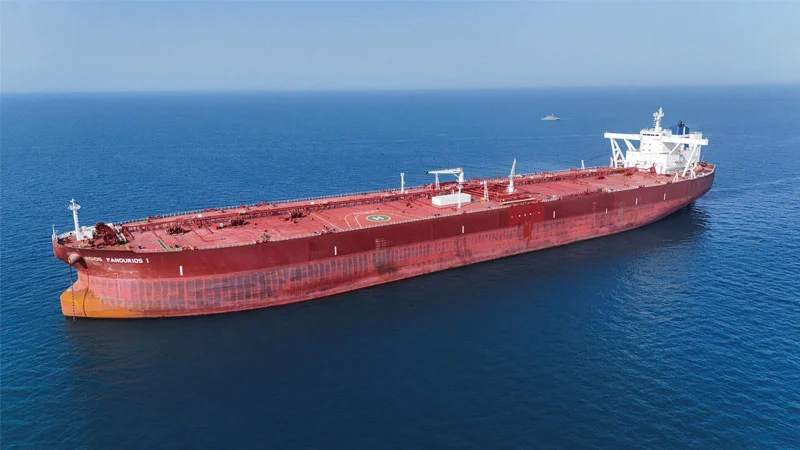
Despite a steady inflow of fuel oil cargo vessels at Chattogram Port and seemingly adequate national reserves, fuel distribution across Bangladesh continues to face serious operational strain, with motorists and farmers enduring prolonged queues at filling stations.
According to port and sector sources, five fuel-laden vessels carrying a combined 169,000 tonnes of petroleum products are currently stationed at or near Chattogram. Of this volume, approximately 142,000 tonnes is diesel and 27,000 tonnes is octane. While unloading has commenced, storage constraints at depots are significantly slowing the process, forcing some vessels to remain anchored offshore awaiting clearance.
At present, 68,000 tonnes of diesel is being discharged from two vessels at the Dolphin Jetty—namely MT Oaktree (35,000 tonnes) and MT Cape Boni (33,000 tonnes). Meanwhile, three additional vessels are waiting in Bangladeshi waters: MT Lian Song Hu carrying around 41,000 tonnes of diesel, MT Pacific Indigo with 33,000 tonnes of diesel, and MT Navy Cielo transporting approximately 27,000 tonnes of octane.
Fuel Shipment Status
| Vessel Name | Product | Quantity (tonnes) | Status |
|---|---|---|---|
| MT Oaktree | Diesel | 35,000 | Unloading |
| MT Cape Boni | Diesel | 33,000 | Unloading |
| MT Lian Song Hu | Diesel | 41,000 | Awaiting discharge |
| MT Pacific Indigo | Diesel | 33,000 | Awaiting discharge |
| MT Navy Cielo | Octane | 27,000 | Awaiting discharge |
Compounding the issue is the near-saturation of storage facilities. The Patenga Main Point Installation in Chattogram, which serves multiple distribution companies and the Eastern Refinery, is operating close to full capacity, particularly for octane storage. As a result, fresh consignments are being redirected between tanks to accommodate incoming supplies.
Bangladesh Petroleum Corporation data shows that national octane storage capacity stands at 53,361 tonnes. As of 20 April, stock levels were approximately 27,612 tonnes, while an additional 27,000 tonnes are currently being offloaded from incoming shipments. Despite this, scheduled imports continue to arrive, placing further pressure on the logistics chain.
Consumption trends, however, indicate stable demand. During the first 18 days of April, octane sales reached 20,404 tonnes—averaging 1,134 tonnes per day. In addition, 15,170 tonnes were supplied by private refineries over the first 19 days of the month. Officials suggest that, on paper, current reserves are sufficient to meet demand for around two months.
Nevertheless, the situation on the ground tells a different story. In Dhaka’s Tejgaon area, queues at filling stations stretched onto main roads, with motorists waiting for hours. Similar scenes have been reported in rural districts such as Gaibandha’s Sundarganj, where farmers depend heavily on fuel for irrigation during the peak Boro rice season.
Despite adequate national supply levels, logistical bottlenecks in storage, distribution, and discharge operations continue to disrupt fuel availability at retail outlets.