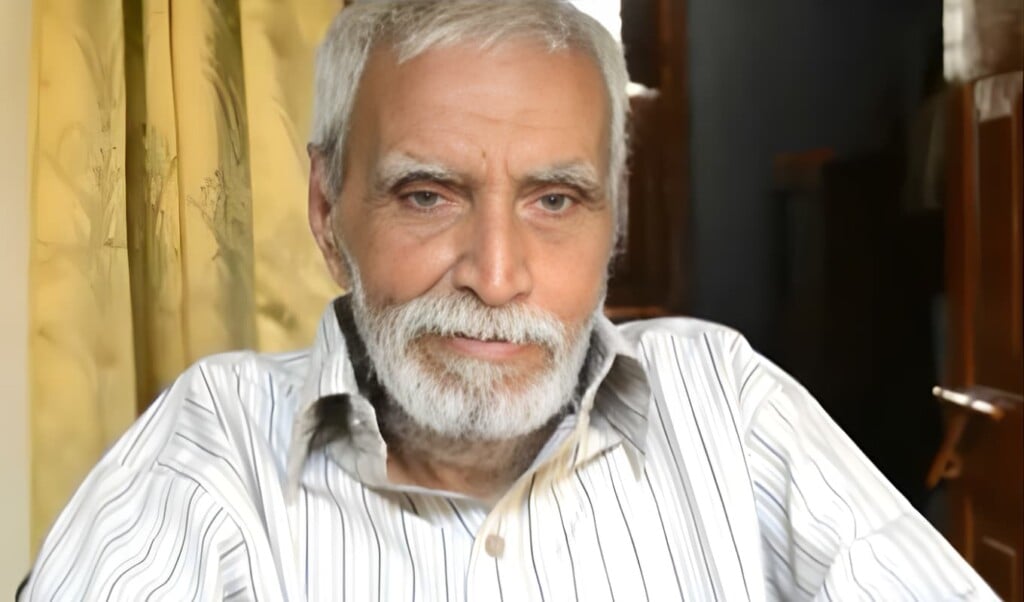
Manabendra Bandyopadhyay remains a quiet yet profoundly influential figure in Bengali literature. He was born on 25 April 1938 in Sylhet. Throughout his life, he embodied a multidimensional creative spirit—poet, fiction writer, essayist, and most notably, an exceptional translator.
From an early age, he demonstrated a deep interest in intellectual pursuits. His academic curiosity extended across comparative literature, Indian aesthetics, and the history of fine arts. These wide-ranging studies enriched his literary vision and provided a strong foundation for his creative and translational work.
He began his teaching career in Yangon, Myanmar. Later, he joined the Department of Comparative Literature at Jadavpur University, where he played a significant role in shaping generations of students. His teaching style went beyond textbooks, encouraging students to engage with literature as a living and evolving cultural force.
However, his greatest contribution lies in the field of translation. Manabendra Bandyopadhyay built a vital bridge between Bengali readers and world literature. Through his work, the magical and imaginative world of Latin American literature entered Bengali literary consciousness for the first time in a meaningful and sustained way.
Long before Gabriel García Márquez received the Nobel Prize in Literature in 1982, Manabendra had already begun translating his works into Bengali in 1970. He translated major texts such as “No One Writes to the Colonel” and “Big Mama’s Funeral”, as well as Márquez’s Nobel Prize acceptance speech. His translations introduced Bengali readers to the rich texture of magical realism, a literary style that blends reality with fantasy in a seamless narrative flow.
He also translated works of other prominent Latin American writers, including Carlos Fuentes, thereby expanding the horizons of Bengali literary readership and connecting it with global intellectual traditions.
His translations were not mere linguistic conversions; they were cultural bridges that reshaped the Bengali literary landscape. Through his efforts, Bengali prose gained new depth, stylistic innovation, and global resonance.
Manabendra Bandyopadhyay passed away on 4 August 2020 due to complications related to COVID-19. Yet his intellectual legacy, translational achievements, and literary contributions continue to illuminate Bengali literature, remaining an enduring source of inspiration for readers and scholars alike.