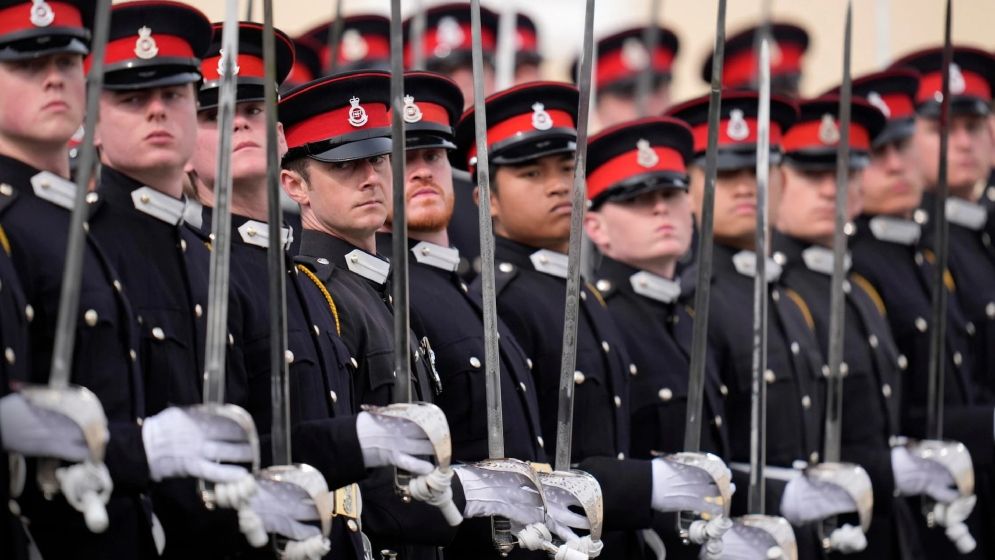
A significant majority of young people in the United Kingdom would refuse to take up arms for their country, according to a recent survey highlighting a profound sense of disillusionment regarding national duty and patriotism. The report, initially published by The Telegraph, reveals that over half of individuals aged 16 to 29 stated they would not participate in military conflict under any circumstances.
The study was conducted by the John Smith Centre at the University of Glasgow, surveying 2,000 young adults across the nation. The findings underscore a growing disconnect between the British state and its younger citizens, with only 38% of respondents indicating they would be willing to fight for the UK in specific, limited scenarios.
Key Statistical Findings
The survey illustrates a stark decline in institutional trust and personal optimism compared to previous years. The data highlights significant shifts in how the younger generation views their future and the political system.
| Metric | Current Survey Finding | Previous Year/Comparative Data |
| Willingness to fight for the UK | 38% (conditional) | Not explicitly provided |
| Unwillingness to fight (categorical) | Over 50% | N/A |
| Optimism for a better life than parents | 36% | 63% (Previous Year) |
| Belief in political fairness | 25% | N/A |
| Trust in Democratic Stability | Minority | Majority view democracy in crisis |
Socio-Economic Drivers of Disillusionment
Eddie Barnes, Director of the John Smith Centre, attributed this reluctance to a perceived lack of reciprocity from the state. He suggested that because the nation is viewed as failing to support its youth, young people feel no moral or civic obligation to defend it. Several systemic issues were identified as primary drivers for this sentiment:
-
Housing Crisis: Prohibitive property prices and rising rents have made homeownership an unattainable goal for many, leading to a lack of “stake” in the nation’s physical assets.
-
Economic Stagnation: Stagnant wages coupled with the rising cost of living and the burden of student debt have created a cycle of financial instability.
-
Labour Market Anxiety: The rapid advancement of Artificial Intelligence (AI) has introduced fears of widespread job displacement, further eroding long-term career confidence.
-
Political Fragmentation: Only one in four young people believe the current political system treats them fairly. A prevailing view among respondents is that British democracy is currently in crisis and the political landscape is excessively polarised.
A Generation in Crisis
The survey’s most concerning revelation is the rapid erosion of hope. In just twelve months, the proportion of young people believing their lives will be better than their parents’ has plummeted from 63% to 36%. This shift reflects a broader feeling that the “social contract”—the idea that hard work and education lead to stability—has been broken.
Many participants noted that despite holding advanced degrees, they remain unable to achieve financial independence and are frequently forced to rely on parental support. Respondents questioned why they should be expected to protect a social and political structure that fails to provide basic security, such as affordable housing or a reliable pension. This pervasive sense of inequality and insecurity has, according to the study, fundamentally weakened national identity and the willingness to engage in military service.