India, the world’s third-largest importer of crude oil after China and the United States, is reshaping its energy procurement strategy amid heightened geopolitical uncertainty and supply disruptions in key maritime routes.
Traditionally, nearly half of India’s crude oil imports have been sourced through the vital Strait of Hormuz. However, following a reported escalation of tensions on 28 February involving US–Israeli military action and subsequent restrictions affecting shipping through the region, Iran curtailed maritime traffic along this critical corridor. The disruption has prompted New Delhi to accelerate diversification of its energy supply chain.
Shift in sourcing strategy
In response to potential supply constraints, India has significantly increased imports from Russia, while also expanding procurement from Africa, Venezuela, and Iran. Energy analysts note that India’s relatively limited strategic reserves, combined with its high import dependence, expose it to greater vulnerability in the event of sudden price spikes, compared with larger consumers such as China.
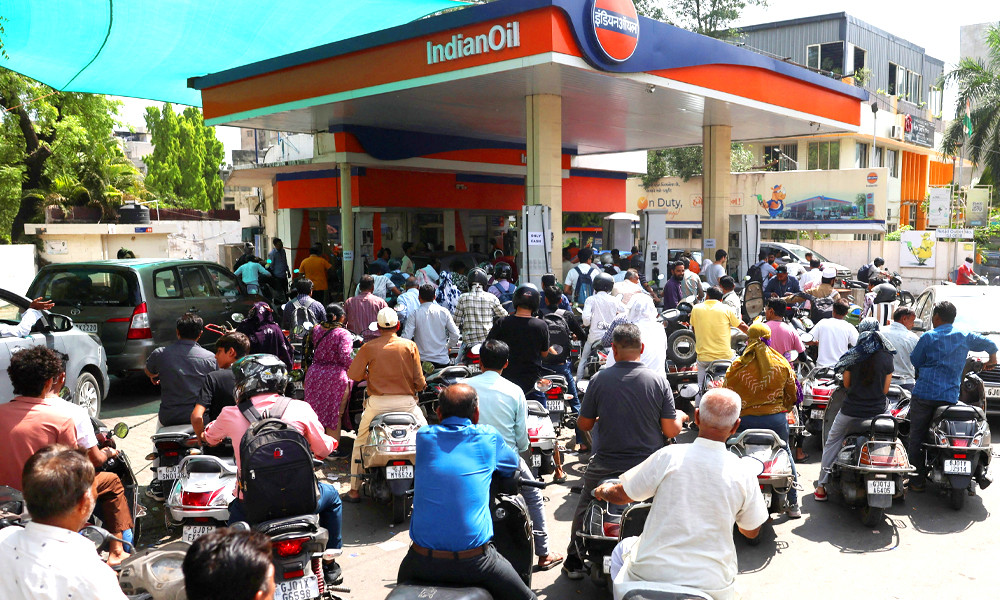
Although no widespread fuel crisis has emerged, pressure has already been observed in segments such as domestic cylinder gas supply. Nevertheless, the broader energy system remains stable for now.
A key feature of India’s current strategy is its renewed reliance on long-standing suppliers, particularly Russia. According to data cited by international monitoring agencies, India imported an average of approximately 1.98 million barrels per day of Russian crude in March—almost double the level recorded in the previous two months. Analysts attribute this surge partly to temporary exemptions granted by the United States, allowing continued maritime trade in Russian oil during the month.
Import composition
India’s evolving import basket in March is summarised below:
| Source Country | Average Imports (barrels/day) | Monthly Change | Key Notes |
|---|---|---|---|
| Russia | ~1,980,000 | Sharp increase | Nearly double previous months |
| Angola | ~327,000 | ~3× increase | Strong rise from February |
| Nigeria | Increased | Moderate rise | Steady West African supply |
| Iran | Resumed flows | New/limited | Partial re-entry into market |
| Venezuela | Resumed flows | New/limited | Gradual supply restoration |
Africa has also emerged as a crucial alternative supplier. Angola alone increased shipments to India to around 327,000 barrels per day in March, nearly three times the February level. Nigeria has similarly expanded its deliveries, reflecting a broader pivot towards West African crude grades.
Despite these adjustments, India’s total crude imports fell from 5.2 million barrels per day in February to 4.5 million barrels per day in March, indicating that alternative sources have not fully offset reduced flows from traditional suppliers.
Price pressures and outlook
The diversification strategy has come at a cost. In April, Indian refiners were reportedly paying between $5 and $15 per barrel above international benchmark prices for certain grades of crude. While the government has so far avoided passing these costs on to consumers, it has reduced taxes in an effort to cushion the impact.
Officials maintain that state-owned oil companies are absorbing losses and that retail fuel prices remain unchanged after four years of stability. However, market analysts caution that post-election adjustments could see pump prices rise by as much as 28 rupees per litre.
Despite short-term stability, experts warn that African and alternative supplies cannot fully replace Middle Eastern crude due to differences in oil grades and refinery compatibility constraints. As a result, India’s energy security challenges are likely to persist even as it broadens its supplier base.