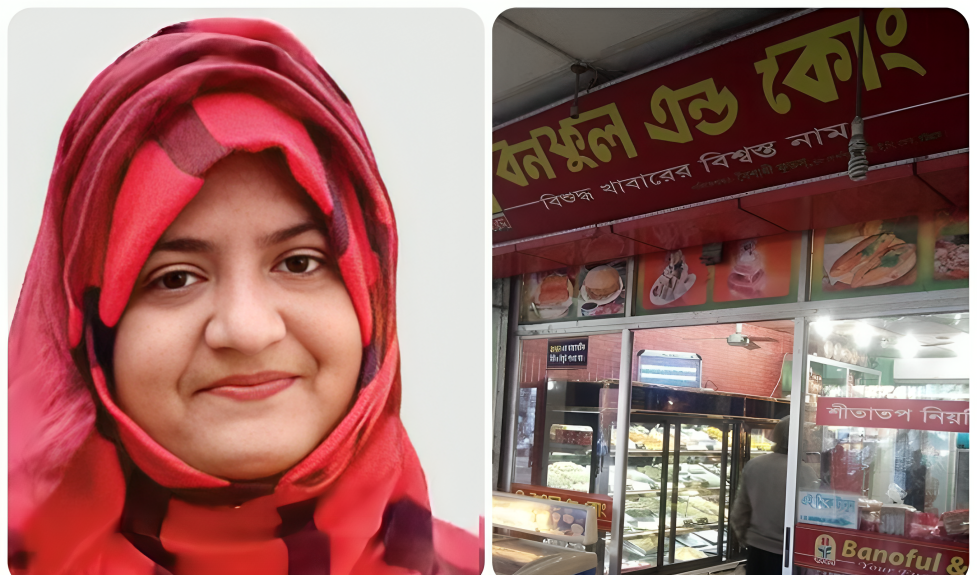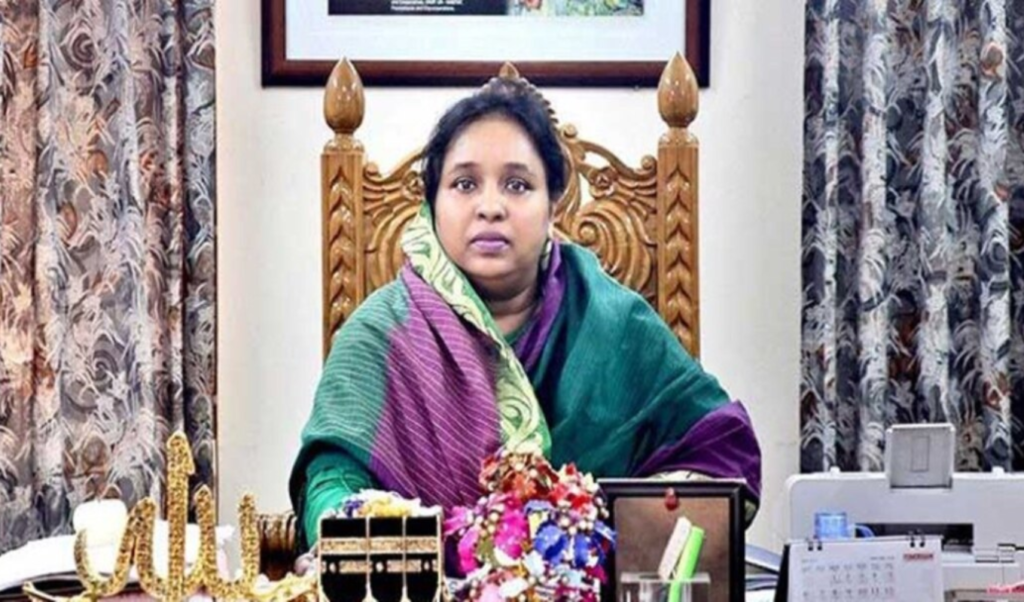
Dr Selina Hayat Ivy, the former mayor of the Narayanganj City Corporation, has been released from prison after securing bail in multiple legal cases. The prominent politician was officially released from the Kashimpur Central Female Jail on Wednesday, 3 June, at 10:08 pm. Her release follows a prolonged legal battle across different tiers of the judiciary, culminating in the clearance of all pending detention orders against her.
The Assistant Inspector General (Media) of the Prisons Directorate, Md Jannat-ul Farhad, officially confirmed the development to the media. He stated that the formal bail order for the female detainee, Dr Selina Hayat Ivy, was received by the prison authorities on 3 June. Following a thorough verification process, and ensuring that there were no other pending detention orders or active warrants against her, the jail administration proceeded with the necessary legal formalities to grant her release from the correctional facility.
The legal proceedings leading to her release have been complex, spanning across two distinct phases of cases filed against her. Law enforcement officials initially arrested Ivy from her ancestral residence located in the Deobhog area of Narayanganj city during the early hours of 9 May last year. Following her apprehension, she was formally shown arrested in connection with five separate legal cases stemming from incidents related to the anti-discrimination student movement. These initial charges comprised three distinct murder cases and two cases involving charges of attempted murder.
In the first phase of litigation, the High Court Division granted bail to Ivy on 9 November last year. Dissatisfied with the ruling, the state prosecution challenged the verdict by filing five separate petitions before the Appellate Division of the Supreme Court. On 12 November last year, the Chamber Court intervened by staying the operation of the High Court’s bail order, subsequently referring the state’s petitions to the regular bench of the Appellate Division for a comprehensive hearing. Consequently, the state filed five distinct leave-to-appeal petitions. On 10 May, the Appellate Division dismissed all five leave-to-appeal petitions submitted by the state, thereby upholding the High Court’s decision and validating Ivy’s bail in those initial five cases.
However, her legal complications multiplied when she was shown arrested in a second phase of litigation involving five additional cases in November last year, shortly after the High Court had granted her bail in the first set of charges. Among these newer allegations, four were murder cases registered with the Fatullah Police Station, while the remaining one was filed with the Narayanganj Sadar Police Station, carrying charges of vandalism and obstructing government officials from discharging their duties.
Regarding this second phase of cases, the High Court issued a rule on 26 February, granting Ivy a six-month ad-interim bail. The state prosecution once again appealed to the Appellate Division to challenge this decision. On 5 March, the Chamber Court stayed the ad-interim bail granted by the High Court and forwarded the state’s applications to the regular bench of the Appellate Division.
The matter escalated to the regular bench, and on 10 May, the state’s separate leave-to-appeal petitions appeared on the cause list of the Appellate Division. During the proceedings, the Appellate Division vacated the previous stay order issued by the Chamber Court and directed the High Court to expeditiously dispose of the rule concerning her bail. By disposing of the state’s five separate leave-to-appeal petitions in this manner, the supreme judiciary effectively restored and upheld the High Court’s bail orders, paving the way for her eventual release on Wednesday night.
Dr Selina Hayat Ivy possesses a long career in local governance and municipal politics. She served as the chairperson and subsequently the mayor of the now-defunct Narayanganj Municipality from 2003 until 2011. Following the structural reorganisation that established the Narayanganj City Corporation, she demonstrated sustained electoral popularity by winning three consecutive mayoral elections. Beyond her administrative responsibilities, she also held the political organizational portfolio of senior vice-president of the Narayanganj District unit of the Bangladesh Awami League.