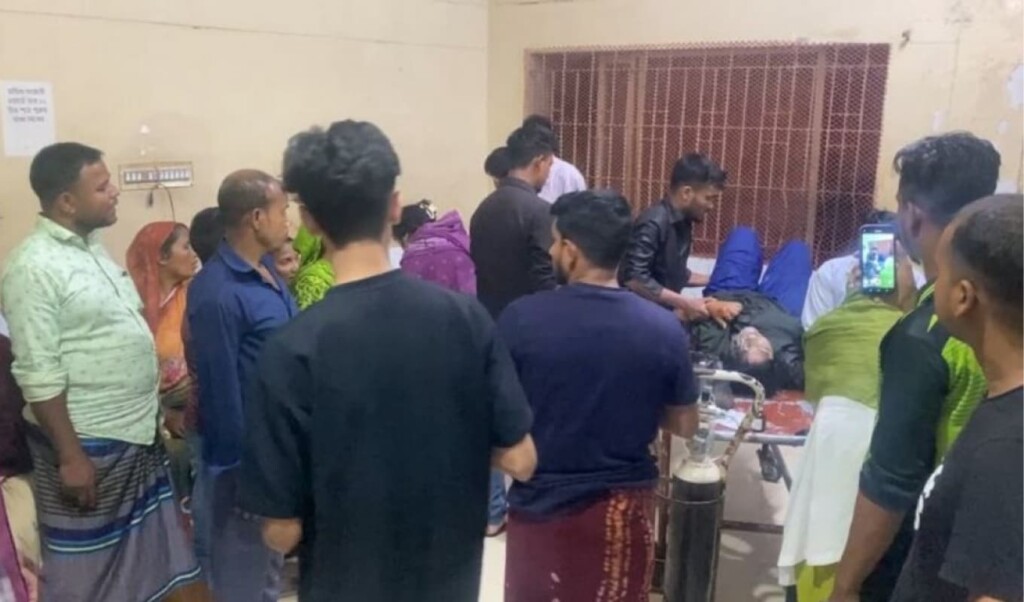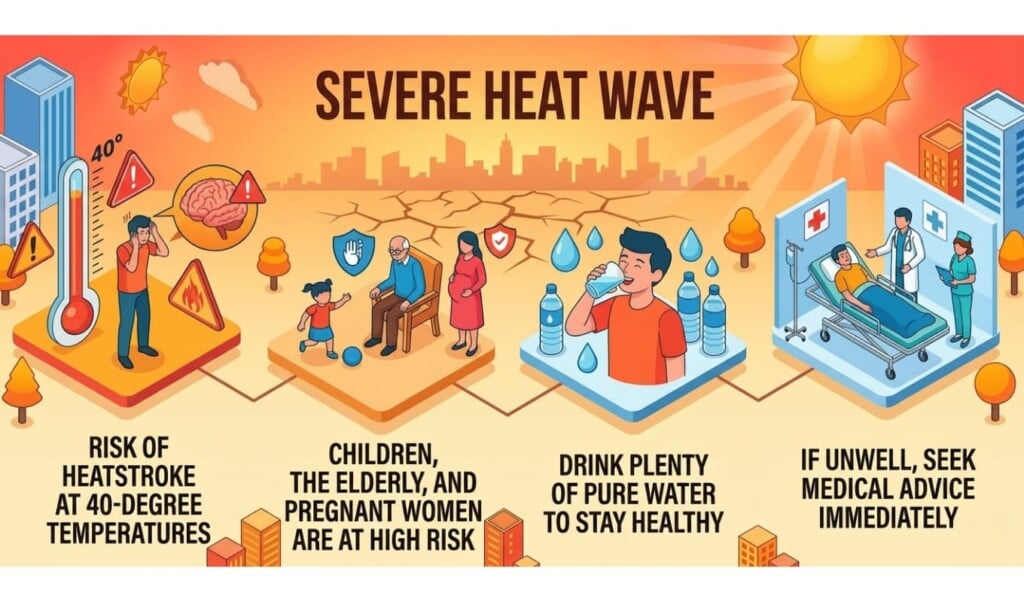
An intense heatwave coupled with exceptionally high atmospheric humidity continues to affect the population, causing widespread physiological distress. Medical authorities have reported a significant rise in dehydration, vertigo, heat-induced seizures, and life-threatening heatstrokes. Concurrently, the consumption of contaminated water by individuals seeking relief from the oppressive weather has triggered a sharp increase in waterborne diseases across the region.
Cliniacians warn that when the ambient temperature surpasses $40^\circ\text{C}$, the human body faces severe thermoregulatory failure. While the entire population is affected, specific demographics—namely young children, elderly citizens, pregnant women, outdoor labourers, and individuals with pre-existing medical conditions—face the most critical health hazards.
Assessing Exposure Levels and Vulnerabilities
Data from the International Centre for Diarrhoeal Disease Research, Bangladesh (icddr,b) indicates that a heatwave reaches a critical threshold when ambient temperatures remain above $38^\circ\text{C}$ for more than two consecutive days. Failing to adopt precautionary measures during such windows can result in severe systemic failure.
The primary groups requiring heightened protection and the nature of their occupational or physiological risks are detailed below:
| Target Group | Nature of Risk | Underlying Complications |
| Manual Labourers | Prolonged, direct exposure to solar radiation. | Includes rickshaw pullers, farmers, and construction workers undergoing heavy physical exertion. |
| Highly Sensitive Demographics | Inefficient or fragile internal thermoregulation. | Includes newborns, infants, the elderly, and individuals with physical or mental disabilities. |
| Chronic Disease Patients | Compromised physiological resilience under thermal stress. | Individuals suffering from cardiovascular disorders, chronic hypertension, diabetes, or respiratory ailments. |
| Indoor Workers | Entrapment in unventilated, high-heat environments. | Kitchen staff, cooks, and domestic workers operating near heat sources without airflow. |
Warning Signs Requiring Immediate Medical Attention
Health experts have urged the public to monitor themselves and others for early indicators of heat exhaustion and impending heatstroke. The following symptoms represent medical emergencies that necessitate immediate clinical intervention:
-
Skin Alterations: The skin becomes exceptionally hot, dry, and noticeably flushed or red.
-
Neurological Disturbances: Onset of severe headaches, acute dizziness, cognitive confusion, erratic behaviour, or sudden fainting.
-
Gastrointestinal Distress: Persistent feelings of nausea or episodes of vomiting.
-
Excretory Changes: A drastic reduction in urine output or a transition to a dark, concentrated urine colour.
-
Anidrosis: The complete cessation of sweating despite extreme heat (a critical sign of thermoregulatory breakdown).
-
Cardiovascular Strain: Blurred or dimming vision accompanied by a dangerously rapid heart rate.
Institutional Protocols for Heat Protection
To reduce the incidence of heat-induced illnesses, icddr,b has issued a series of practical directives categorised into mandatory precautions and prohibited activities:
Essential Practices (Do’s)
-
Minimise direct exposure to peak sunlight; utilise umbrellas, hats, or head coverings when outdoors.
-
Incorporate frequent rest periods in shaded or air-cooled locations during physical tasks.
-
Wear loose, light-coloured outfits manufactured from breathable cotton fabrics to ease heat dissipation.
-
Maintain a consistent intake of safe, purified drinking water throughout the day, even in the absence of immediate thirst.
-
Bathe regularly and splash cool water onto the face and eyes to systematically lower external body temperature.
-
Stick to easily digestible, freshly prepared, and nutritionally light meals.
Banned or Restricted Actions (Don’ts)
-
Refrain entirely from consuming stale, spoiled, or highly spiced and oily food items.
-
Avoid continuous, uninterrupted heavy manual labour under direct sunlight during peak hours.
-
Abstain from drinking unverified water, open-air street beverages, or commercial cold drinks containing artificial colorants.
Clinical Assessment of Internal Organ Risks
Emphasising the gravity of the meteorological crisis, renowned medical expert and Emeritus Professor Dr ABM Abdullah detailed the physiological breakdown caused by excessive thermal exposure:
“The severe summer heat, compounded by abnormal atmospheric humidity, has pushed public health to a critical juncture. Copious sweating drains the body of vital fluids and essential elemental salts. This depletion can lead to a drop in blood pressure, acute weakness, dizziness, and profound dehydration. If this fluid deficit is left unchecked, it can lead to sudden unconsciousness and acute kidney failure.”
Professor Dr Abdullah further noted that when environmental temperatures climb past $40^\circ\text{C}$, the probability of experiencing a heatstroke rises exponentially. This state manifests via a core body temperature exceeding $105^\circ\text{F}$ ($40.5^\circ\text{C}$), a cessation of sweating, dry erythematous skin, delirium, and involuntary convulsions.
Furthermore, direct exposure to intense ultraviolet rays can cause severe sunburn, epidermal blistering, and secondary skin infections stemming from trapped sweat and dirt. Dr Abdullah also warned that public reliance on unsafe street vendors to quench thirst has directly accelerated the spread of waterborne pathogens, driving up cases of diarrhoea, vomiting, typhoid, and jaundice.
Emergency First Aid and Preventive Care
To maintain health during this period, unnecessary outdoor travel should be avoided. When external activities are compulsory, individuals should pair wide-brimmed hats or umbrellas with lightweight cotton attire. Rehydration protocols must go beyond plain water to include Oral Rehydration Salts (ORS), green coconut water, and fresh fruit juices to stabilize electrolyte levels.
If a person displays signs of heatstroke, they must be shifted immediately to a cool, shaded environment with active ventilation. First responders should wipe the individual’s body with wet cloths and apply cool water to their face and eyes. If the patient does not show rapid signs of stabilization, they must be transported to the nearest medical facility immediately.