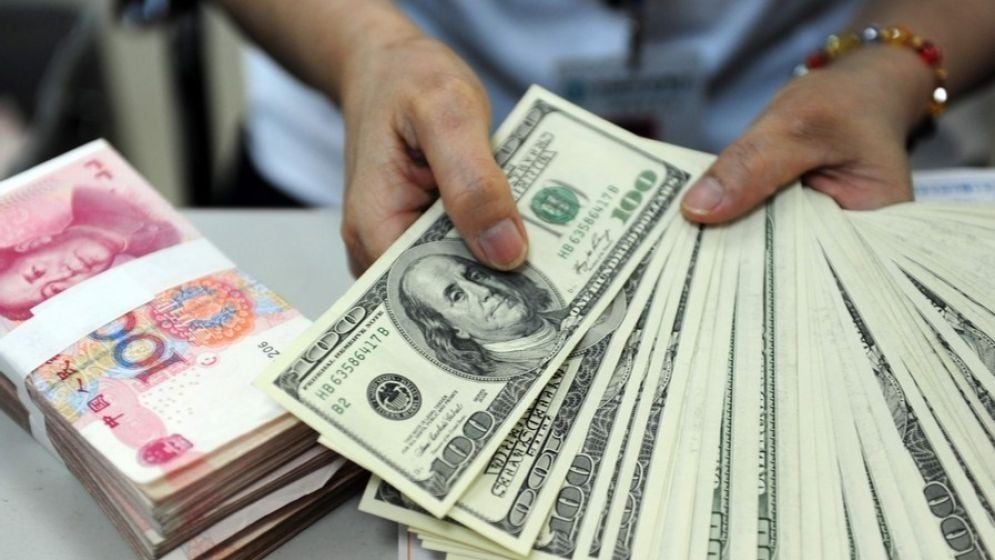
With more than 10 million Bangladeshis living and working abroad, foreign currency exchange rates remain an important part of everyday financial planning. The steady flow of remittances into Bangladesh, coupled with growing international trade and overseas business transactions, has made daily exchange rate updates increasingly relevant for expatriates, importers, exporters, travellers and investors alike.
The latest exchange rates against the Bangladeshi Taka (BDT), published for Monday, 6 July 2026, provide a snapshot of the relative value of major global currencies. These rates are commonly used as reference points for financial transactions, although the actual buying and selling rates offered by banks, money exchange houses and financial institutions may vary slightly depending on market conditions and service charges.
| Currency | Exchange Rate (BDT) |
|---|---|
| Malaysian Ringgit (MYR) | 30.28 |
| Saudi Riyal (SAR) | 32.79 |
| US Dollar (USD) | 122.70 |
| Euro (EUR) | 143.35 |
| Euro (Italy) | 143.35 |
| British Pound Sterling (GBP) | 164.88 |
| Singapore Dollar (SGD) | 95.94 |
| Australian Dollar (AUD) | 85.97 |
| New Zealand Dollar (NZD) | 70.57 |
| Canadian Dollar (CAD) | 86.64 |
| UAE Dirham (AED) | 33.65 |
| Omani Rial (OMR) | 319.05 |
| Bahraini Dinar (BHD) | 328.12 |
| Qatari Riyal (QAR) | 33.92 |
| Kuwaiti Dinar (KWD) | 401.61 |
| Swiss Franc (CHF) | 150.00 |
| South African Rand (ZAR) | 7.59 |
| Japanese Yen (JPY) | 0.766 |
| South Korean Won (KRW) | 0.07987175 |
| Indian Rupee (INR) | 1.25 |
Among the currencies listed, the Kuwaiti Dinar remained the strongest against the Bangladeshi Taka, with one dinar valued at BDT 401.61. It was followed by the Bahraini Dinar at BDT 328.12 and the Omani Rial at BDT 319.05. The US Dollar, which continues to play a central role in global trade and international settlements, stood at BDT 122.70.
For Bangladeshi expatriates, particularly those employed in the Gulf region, exchange rate movements can directly affect the value of remittances sent home. Businesses engaged in imports and exports also monitor these fluctuations closely, as changes in currency values can influence the cost of goods, pricing strategies and overall trade expenses.
Exchange rates are determined by a range of domestic and international economic factors, including demand and supply in the foreign exchange market, monetary policy, inflation, interest rates and broader global financial developments. As a result, they may change throughout the day in response to market activity.
It should be noted that foreign exchange rates are subject to change at any time. Individuals planning to transfer money, purchase foreign currency or conduct international business transactions are advised to confirm the latest rates with their respective banks or authorised money exchange institutions before completing any transaction.