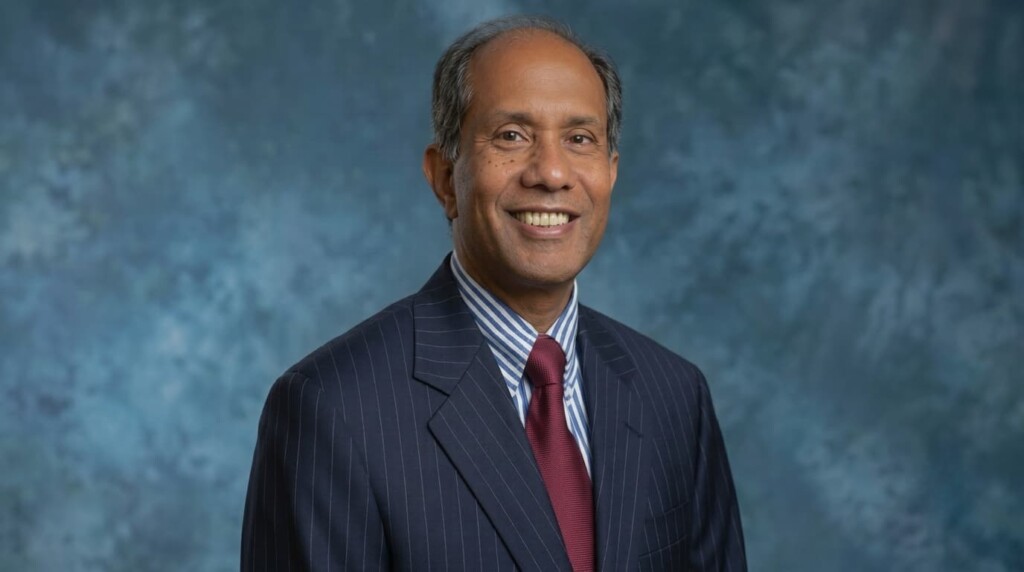
The global scientific community continues to honour the legacy of Professor Dr Rathindra Nath Bose, a visionary Bangladeshi-American chemist and cancer researcher whose pioneering work transformed the landscape of oncology. Dr Bose, who passed away on 11 July 2015 in Houston, Texas, remains an inspiring figure in international science, celebrated for bridging the gap between fundamental chemical research and life-saving medical applications.
Born into the traditional Bose family of Kamalapur village in Narail Sadar upazila, Rathindra Nath Bose was the second of eleven children born to Baidyanath Bose and Triptilata Bose. Raised in a large, vibrant household alongside six brothers and four sisters—including his brother, the prominent lawyer Advocate Subash Chandra Bose—he demonstrated exceptional academic brilliance from early childhood.
He completed his secondary education at Narail Government High School and his higher secondary studies at Government Victoria College. Dr Bose then moved to the University of Rajshahi to study chemistry. His academic performance there was historic; he secured the first position in the first class in both his Bachelor of Science degree in 1972 and his Master of Science degree in 1973. Beyond his academic pursuits, he was a charismatic student leader, serving as the General Secretary of the Syed Ameer Ali Hall Students’ Union at the University of Rajshahi for the 1973–74 academic year.
Before moving abroad, Dr Bose spent over two years teaching at the Department of Chemistry at the University of Dhaka, nurturing the next generation of Bangladeshi scientists. In 1978, he relocated to the United States to pursue his PhD, an move that launched a distinguished career in American higher education and global medical research.
Dr Bose eventually rose to the prestigious position of Vice Chancellor for Research at the University of Houston, Texas. Simultaneously, he held joint professorships across multiple faculties, including Chemistry, Biology and Biochemistry, as well as Pharmacology and Pharmaceutical Sciences. Under his strategic leadership, the university’s research initiatives achieved unprecedented growth and recognition.
His most notable scientific breakthrough came in the field of cancer therapeutics, where he led the development of next-generation platinum-based anti-cancer drugs. Targeting solid tumours, his research offered new hope in oncology. The compounds he designed entered clinical trials in the United States and were subsequently licensed by Fosplatin Therapeutics. Throughout his career, Dr Bose secured ten patents, with four additional patents pending, focusing on cancer therapeutics and fuel-cell electrocatalysts.
Despite his immense international success, colleagues and family remembered Dr Bose as a remarkably humble, unpretentious man deeply attached to his homeland. He maintained close ties with his wife, Anima Bose, their two children, and his extended family in Bangladesh. His journey from a rural village in Narail to the pinnacle of global scientific research serves as a permanent beacon of inspiration for young scientists worldwide.