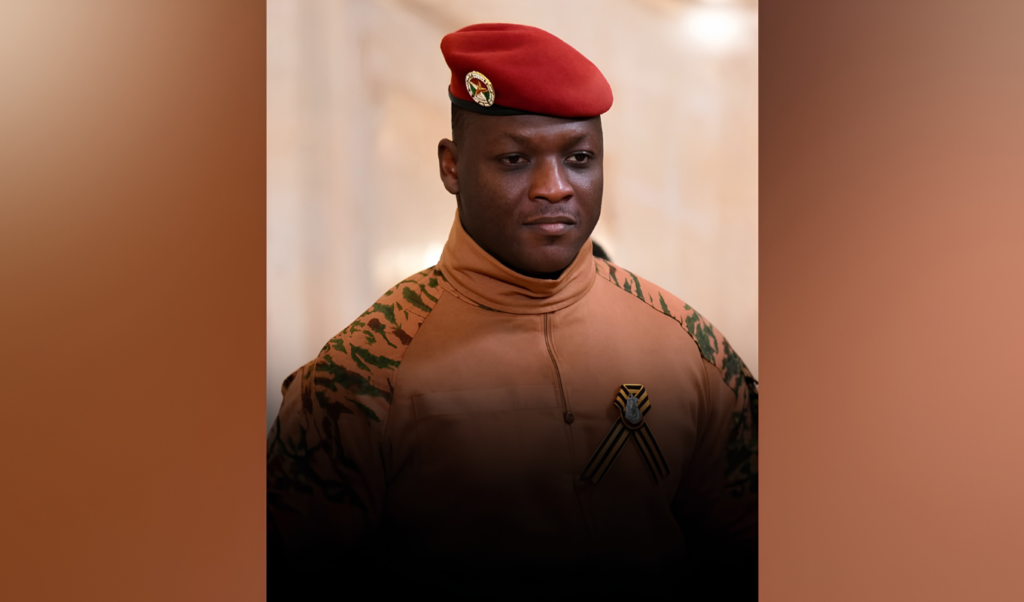
Burkina Faso’s interim president, Ibrahim Traoré, has firmly dismissed mounting speculation regarding the potential implementation of Sharia law within the West African nation. In a decisive public declaration, Traoré reaffirmed that the country would maintain its fully sovereign and secular status. He emphasised that no religious doctrine sits above the state apparatus and stated unequivocally that the administration has no intention of adopting an Islamic legal code.
The military leader also rejected arguments suggesting that the country’s demographic composition justifies a transition to religious law. Whilst Burkina Faso boasts a significant Muslim majority, Traoré made it clear that religious demographics would not dictate state governance or alter the secular foundations of the republic. Political analysts note that maintaining this secular stance is crucial for a country that has historically balanced diverse religious identities without institutional discrimination.
Addressing citizens directly during a public broadcast, the president sought to reassure all religious communities about the government’s long-term commitments to constitutional freedom. “I am a Muslim and I am free to practise my faith,” Traoré stated. “Likewise, people of every other religion in Burkina Faso have the full right to follow their own beliefs. I want to make it absolutely clear that Sharia law will never be implemented in this country.”
This strong public stance comes at a critical juncture for Burkina Faso, which continues to grapple with intense security challenges. The state has spent years combating violent insurgencies led by various armed groups, many of which use extremist religious rhetoric to challenge state authority. By drawing a firm line between personal faith and national governance, Traoré appears to be attempting to fortify national unity and protect the social fabric from religious radicalisation. The clear separation of church and state, or rather mosque and state in this context, remains central to government efforts to foster inclusivity amongst the population, which includes sizable Christian communities and followers of traditional indigenous beliefs.