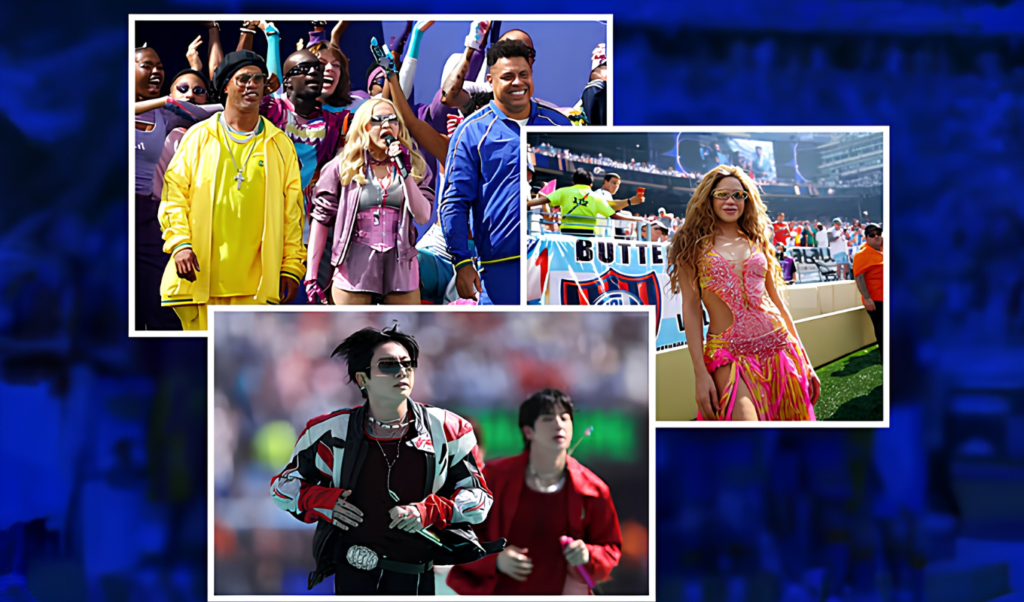
The 2026 FIFA World Cup final etched its name into sporting history not only through Spain’s eventual triumph on the pitch, but also by introducing a lavish Super Bowl-style halftime show for the very first time. A star-studded line-up featuring pop icon Madonna, Latin sensation Shakira, Canadian vocalist Justin Bieber, and global K-pop phenomenon BTS took to the stage. They were joined by actors Jason Sudeikis and Brendan Hunt from the acclaimed series Ted Lasso, alongside the iconic children’s characters The Muppets.
Given the unprecedented scale of the production, widespread speculation suggested that the performers commanded astronomical appearance fees. The reality, however, proved quite different. None of the artists received payment for taking part in what was arguably the most-watched entertainment segment of the year.
This innovative musical spectacle marked a significant departure from tradition for international football. Inspired by the National Football League’s (NFL) Super Bowl halftime show in the United States—which has historically featured legendary acts like Michael Jackson, Prince, Beyoncé, and Rihanna—FIFA sought to integrate a quintessential element of American sports culture into the tournament. Hosted jointly across the United States, Canada, and Mexico, the expanded 48-team competition presented an ideal backdrop for blending elite sport with global entertainment.
On the pitch, Spain secured a 1-0 victory over Argentina following a tense, defensive encounter that remained goalless during regulation time before Ferran Torres netted the decisive goal in extra time. Yet, the mid-match entertainment generated nearly as much debate as the football itself. To accommodate the performances, the customary 15-minute interval was extended to nearly 27 minutes. The prolonged delay drew criticism from traditionalists and pundits alike, including former England captain and BBC Sport analyst Wayne Rooney, who expressed frustration over the disruption to the match’s natural momentum.
In commercial settings, securing headline acts like Bieber, Shakira, or BTS typically costs event organisers millions of dollars. However, an investigation by The Athletic confirmed that every artist performed on a voluntary basis.
The rationale behind the unpaid performances lay in a major charitable partnership between FIFA and the global advocacy movement Global Citizen. The stars waived their fees to draw international attention to the FIFA Global Citizen Education Fund, an initiative aimed at expanding educational opportunities and sports access for underprivileged children worldwide. FIFA President Gianni Infantino had previously emphasised that embedding such an event into the world’s premier football fixture was intended to promote unity, education, and humanitarian values across borders.