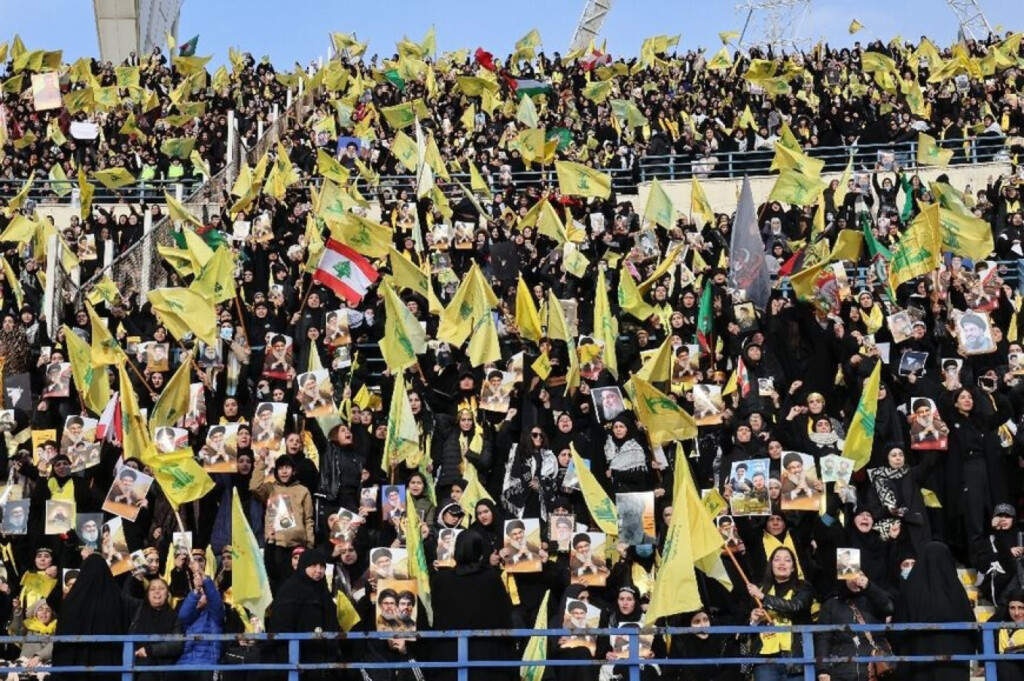
BEIRUT, Lebanon, Feb 23, 2025 (BSS/AFP) – Amid the mourning of Hezbollah’s slain leader, Hassan Nasrallah, tens of thousands of supporters gathered in Beirut on Sunday to pay their respects, as Hezbollah’s deputy leader, Naim Qassem, vowed that the group’s “resistance” against Israel would continue.
The funeral ceremony, which took place at the Camille Chamoun Sports City Stadium, was a significant moment for Hezbollah and its supporters, following the death of Nasrallah in an Israeli airstrike. Women wailed as the coffins of both Nasrallah and Hashem Safieddine – Nasrallah’s chosen successor, also killed in another Israeli airstrike – were carried in a slow procession through the crowd. The coffins were draped with Hezbollah’s yellow flag and topped with two black turbans, symbolizing the loss of their revered leaders.
As the funeral procession made its way toward the burial site near the airport highway, Qassem delivered a powerful message, reiterating that the resistance was not over and reaffirming Hezbollah’s readiness to face Israel. “The resistance is not over; the resistance is still present and ready,” he declared in his televised address.
Nasrallah’s passing, following over three decades of leadership, marked a devastating blow to the Iran-backed group. However, Hezbollah retains a strong support base, particularly within Lebanon’s Shiite Muslim community. The funeral served as a show of solidarity, underscoring the resilience of the group in the face of adversity. As Nasrallah’s speeches were broadcast, mourners raised their fists and chanted, “We are at your service, Nasrallah.”
Tensions with Israel remained high during the ceremony, as Israeli warplanes flew low over Beirut, which Israeli Defence Minister Israel Katz described as a “clear message” to anyone threatening Israel. “You will specialise in funerals – and we in victories,” Katz remarked, a sharp reminder of the ongoing conflict.
Hezbollah’s role in Lebanon’s politics has been a source of division. While some continue to see the group as a symbol of resistance, others criticize its actions, particularly its involvement in escalating conflicts with Israel and its support for Palestinian militant groups like Hamas. Despite these divisions, the funeral emphasized the group’s significant political and social influence in Lebanon, with leaders from Iran and other pro-Iran factions attending.
Contextual Background: Nasrallah’s leadership in Hezbollah made a significant mark in the region, particularly after Israel withdrew from southern Lebanon in 2000, ending its 22-year occupation. Under Nasrallah, Hezbollah became a dominant force in Lebanon, but its role in regional conflicts, including its more recent involvement in hostilities with Israel in support of Hamas, has sparked controversy. Following Nasrallah’s death, Hezbollah faces a complex path forward, but its funeral demonstrated the group’s resolve to continue his legacy of resistance.