JAKARTA, Feb 24, 2025 – Indonesia has officially launched a new sovereign wealth fund aimed at managing state assets worth over $900 billion, marking a significant step in President Prabowo Subianto’s vision to accelerate economic growth. The fund, named Daya Anagata Nusantara (Danantara), is expected to play a crucial role in transforming Southeast Asia’s largest economy.
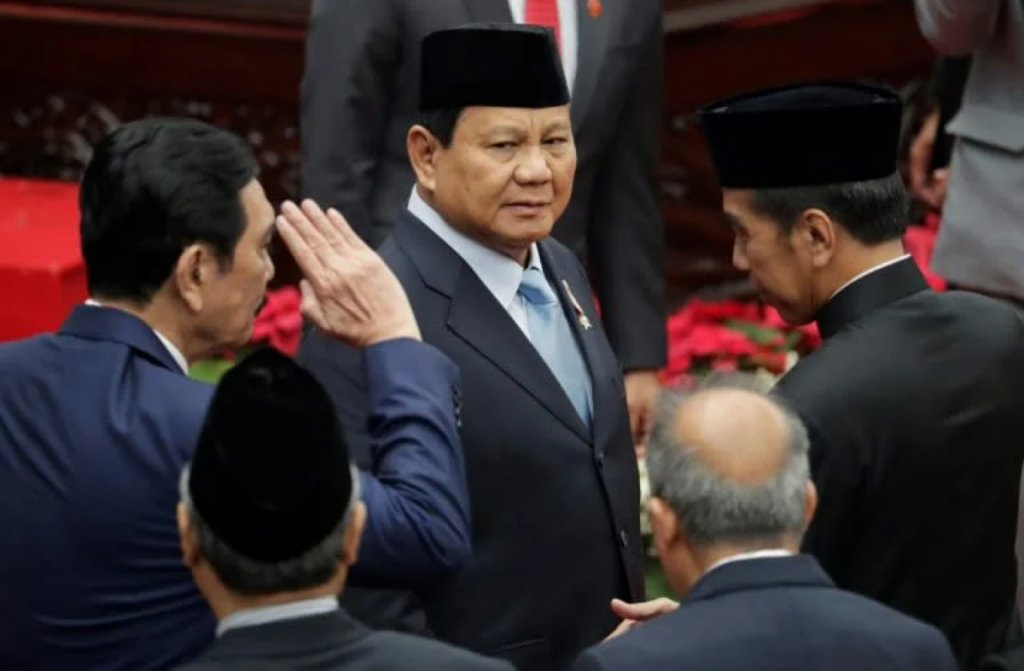
During a ceremony at the presidential palace in Jakarta, President Prabowo signed a government decree establishing the fund, emphasizing its role in enhancing Indonesia’s strategic investments. Modeled after Singapore’s investment firm Temasek, Danantara secured parliamentary approval earlier this month, with strong backing from the president’s ruling coalition.
Ambitious Growth Plans and Initial Funding
Danantara will take control of government holdings in state-owned enterprises, starting with an initial budget of $20 billion. Although the government has yet to disclose which specific companies will come under the fund’s management, Prabowo has set an ambitious target of handling more than $900 billion in assets. This goal significantly surpasses the $637.5 billion in state-owned assets recorded in 2023.
The president envisions Danantara as a powerful investment vehicle, capable of financing more than a dozen projects in 2025, with a focus on renewable energy, food security, and other key economic sectors.
A New Era in Investment Management
This initiative marks the second sovereign wealth fund in Indonesia, following the Indonesia Investment Authority (INA), which was launched in 2021 and currently manages $10.5 billion in assets.
According to Yusuf Permana, spokesperson for the presidential secretariat, Danantara represents a “new era in strategic investment management.” He emphasized that the fund aligns with the government’s commitment to achieving long-term economic stability through sustainable and inclusive investments.
Public Reactions and Controversies
Despite the government’s optimism, Danantara’s launch has sparked controversy. To finance the fund, President Prabowo has implemented austerity measures and budget cuts, which have already triggered nationwide protests. Student-led demonstrations erupted in several cities, including Makassar, where police used tear gas to disperse crowds.
The protests, fueled by concerns over spending priorities and a controversial multi-billion-dollar free lunch program, have gained momentum under the social media movement “Dark Indonesia.” Critics argue that the government should prioritize public welfare programs before channeling massive resources into an investment fund.
Furthermore, some economic experts have raised governance concerns, warning that proper oversight will be crucial to prevent potential mismanagement. Social media reactions have also been mixed, with some users questioning the government’s ability to handle large-scale financial management given past failures in public sector investments.
One skeptical commenter on X wrote, “The state can’t even manage life insurance properly. How can it manage a Danantara-style Sovereign Wealth Fund?”
Looking Ahead
As Indonesia embarks on this new investment journey, the success of Danantara will depend on transparent management, effective governance, and strategic investment choices. If implemented efficiently, the fund could drive economic expansion, foreign investment, and national infrastructure development. However, without proper checks and balances, it risks becoming another contentious issue in Indonesia’s political landscape.