PARIS, 1 March 2025 – Following multiple delays, Europe’s Ariane 6 rocket is set to undertake its inaugural commercial mission on Monday, launching a French military intelligence satellite into orbit.
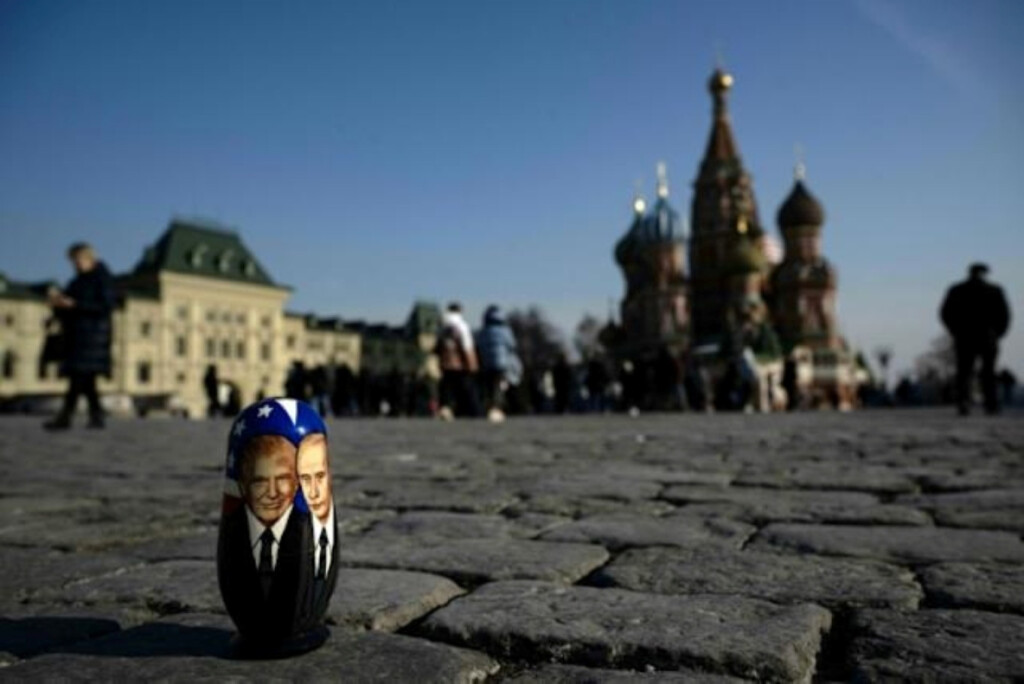
The launch, which will take place from the Kourou spaceport in French Guiana, is a critical step in Europe’s pursuit of security autonomy, particularly in light of geopolitical shifts stemming from the evolving diplomatic relationship between the United States and Russia.
“The entire world is watching us,” remarked David Cavailloles, Chief Executive of Arianespace, earlier this month.
The need for Ariane 6 has been underscored by recent setbacks in European space capabilities. The retirement of its predecessor, Ariane 5, in 2023, combined with the loss of access to Russia’s Soyuz rockets following Moscow’s invasion of Ukraine in 2022, has left Europe without an independent launch system for nearly two years.
Ariane 6 successfully completed a test flight in July 2024 and is scheduled to conduct five launches this year. Initially planned for December 2024, the upcoming mission was delayed to 26 February and subsequently to 3 March at 16:24 GMT due to logistical challenges in transporting the satellite to the launch site.
“Every launch carries inherent risks. Issues can arise with either the launcher or the satellite itself. Our priority is ensuring that everything is ready, and if that requires additional weeks or even months, it is a necessary step,” stated Lionel Suchet, Head of France’s National Centre for Space Studies (CNES).
Stringent Security Measures in Place
Given the classified nature of the satellite, heightened security protocols have been implemented at the Kourou spaceport. Access has been restricted, and three Rafale fighter jets will patrol the surrounding airspace during the launch.
“The satellite must be safeguarded. It is equipped with highly specialised instruments that cannot be exposed to just anyone,” explained Catherine Leveau, Director of Space Transport at CNES.
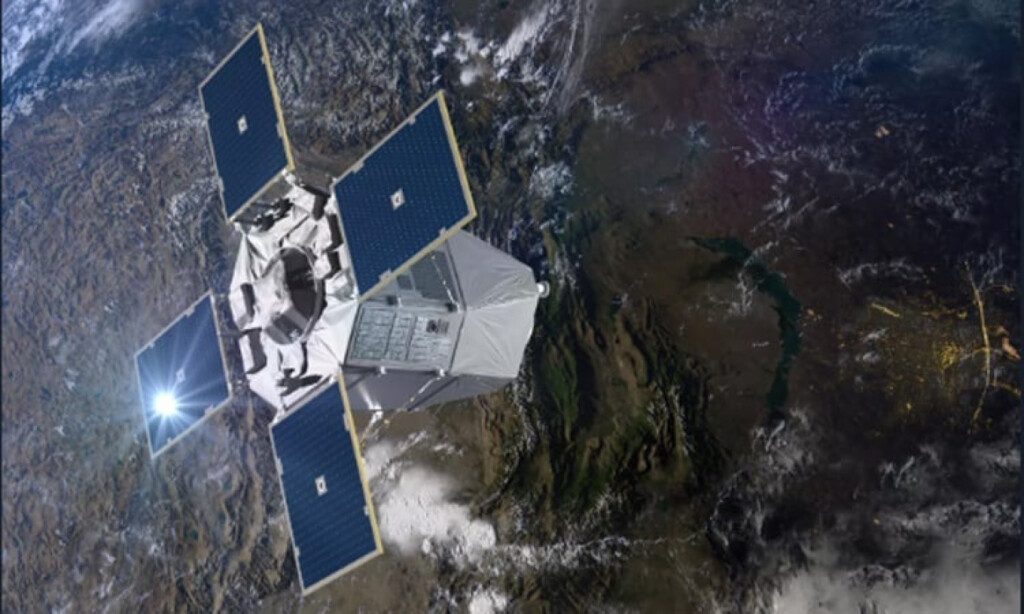
The satellite, CSO-3, will complete a trio of French military reconnaissance satellites, following the launches of CSO-1 in 2018 and CSO-2 in 2020 aboard Russian Soyuz rockets. The system is designed to enhance France’s military intelligence capabilities, providing high-resolution imagery for strategic operations.
While the CSO-3 satellite is primarily for French military use, its imagery will also be shared with Germany and Belgium, both of which have contributed to the project. Sweden, in exchange for granting France access to its space research facility near Kiruna in the Arctic Circle, will also receive limited access to the satellite’s data.
A New Era for European Space Independence
Ariane 6 represents a significant step forward in re-establishing Europe’s independent access to space. The European Space Agency (ESA) and Arianespace view the launcher as vital for ensuring that Europe remains a competitive player in the global space industry, particularly as commercial satellite launches become increasingly important for national security and scientific exploration.
With Ariane 6 now poised to begin its operational career, European space officials are optimistic about the future of the continent’s space programme, aiming to reduce reliance on external launch providers and maintain strategic autonomy in an era of growing geopolitical uncertainty.