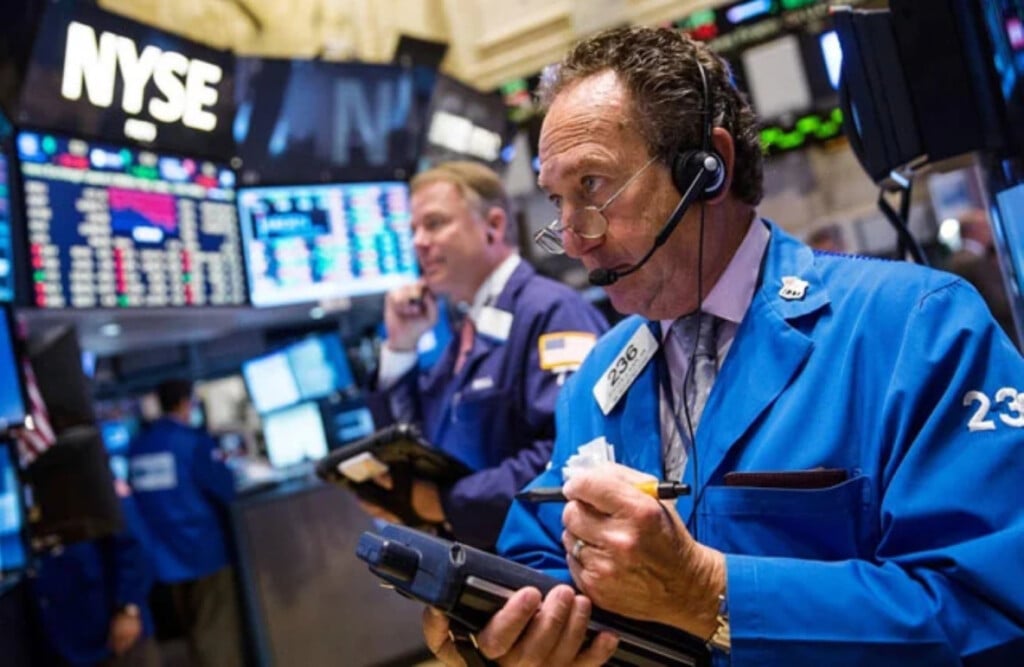
NEW YORK, 1 March 2025 (BSS/AFP) – Wall Street stocks concluded a turbulent week with a late surge on Friday, reversing earlier losses amid a mixed global equities market. Meanwhile, Bitcoin fell below $80,000 for the first time since November.
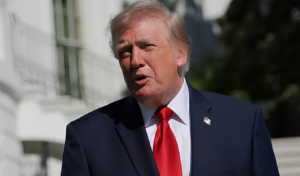
US markets, which had been under pressure throughout the week, briefly dipped into negative territory at midday following a tense and highly publicised confrontation between US President Donald Trump and Ukrainian President Volodymyr Zelensky at the White House.
During the dramatic televised meeting, Trump criticised Zelensky and ultimately refused to proceed with a proposed deal for joint development of Ukraine’s mineral resources—an agreement that was expected to form part of a post-war recovery effort in a potential US-brokered settlement.
Despite the initial market jitters, a late-day rally saw major indices climb by more than one per cent, with the Dow Jones Industrial Average finishing in positive territory for the week, while the S&P 500 and Nasdaq managed to reduce their weekly losses.
“It’s normal for an oversold market to bounce back,” said Adam Sarhan of 50 Park Investments, attributing the rally in part to fresh US inflation data that showed no significant rise in price pressures. He noted that “cooler heads” prevailed on Wall Street after the initial sell-off, as investors determined that the Zelensky-Trump standoff carried no immediate financial repercussions.
Trade Uncertainty Weighs on Global Markets
Investors remained wary of Trump’s evolving tariff policies, which are set to take effect in the coming days. This week, the US President confirmed that 25 per cent tariffs on goods from Mexico and Canada would be implemented on 4 March. He also announced an additional 10 per cent tariff hike on Chinese imports next week and warned the European Union that it could face tariffs of up to 25 per cent.
“The countdown to Trump’s tariffs coming into force is now in the final few days, and investors are getting nervous,” said Russ Mould, investment director at AJ Bell.
These trade developments rattled Asian markets, with sharp declines seen in both Hong Kong and mainland Chinese stock exchanges. China responded to the latest tariff announcements by warning that such measures would “seriously impact dialogue” between Beijing and Washington on key issues, including narcotics control—a reason cited by Trump for the additional tariffs.
In Europe, London’s FTSE 100 posted solid gains after Trump hinted at the possibility of a “great” trade agreement with Britain, following a meeting with UK Prime Minister Keir Starmer in Washington on Thursday. However, eurozone markets struggled for much of the day, as tariff concerns weighed on investor sentiment. While Paris managed to eke out a slight gain, Frankfurt ended the session flat.
Cryptocurrency Market Faces Setback
Bitcoin plunged below $80,000 on Friday for the first time since November, marking a significant retreat for the digital asset.
“The crypto sector is experiencing a meltdown today,” said Trade Nation analyst David Morrison. Ethereum, another major cryptocurrency, has seen its value nearly halve since mid-December, prompting speculation among analysts that the market may be entering a prolonged bearish phase.
Bitcoin had previously surged in late 2024 on expectations that Trump’s presidency would usher in a more favourable regulatory environment for digital assets. However, recent developments suggest that some of those hopes are now fading.
Key Market Figures as of 21:50 GMT
- New York – Dow Jones: Up 1.4% at 43,840.91 (close)
- New York – S&P 500: Up 1.6% at 5,954.50 (close)
- New York – Nasdaq Composite: Up 1.6% at 18,847.28 (close)
- London – FTSE 100: Up 0.6% at 8,809.74 (close)
- Paris – CAC 40: Up 0.1% at 8,111.63 (close)
- Frankfurt – DAX: Flat at 22,551.43 (close)
- Tokyo – Nikkei 225: Down 2.9% at 37,155.50 (close)
- Hong Kong – Hang Seng Index: Down 3.3% at 22,941.32 (close)
- Shanghai – Composite Index: Down 1.9% at 3,370.52 (close)
Currency & Commodity Markets
Euro/Dollar: Down at $1.0375 from $1.0398
Pound/Dollar: Down at $1.2578 from $1.2601
Dollar/Yen: Up at 150.59 from 149.81
Euro/Pound: Down at 82.48 pence from 82.51 pence
West Texas Intermediate (WTI) Crude: Down 0.8% at $69.76 per barrel
Brent Crude: Down 1.2% at $73.18 per barrel
Additional Context
The latest movements in the stock market underscore the delicate balance between economic recovery and geopolitical tensions. While inflation data provided some relief to traders, ongoing uncertainty surrounding US trade policies and diplomatic strains continue to create volatility. The upcoming tariff implementations and the potential for further policy shifts under Trump’s leadership remain key factors for global investors in the weeks ahead.