BANGKOK, 2 March 2025 (BSS/AFP) – Nations have failed to resolve a deadlock over the timing of the United Nations’ next major assessment of climate change science, following an extended meeting in China, which was notably skipped by US envoys.
The central dispute revolved around whether the Intergovernmental Panel on Climate Change (IPCC), which provides critical scientific insights to policymakers, should deliver its next three-part assessment ahead of the 2028 UN “stocktake”—a periodic review of global progress in combating climate change.
A significant number of both wealthy nations and climate-vulnerable developing countries had pushed for an expedited schedule, arguing that up-to-date scientific data would enable more informed policy decisions. However, this proposal faced resistance from key oil-producing nations and major polluters such as China and India, whose emissions continue to rise.
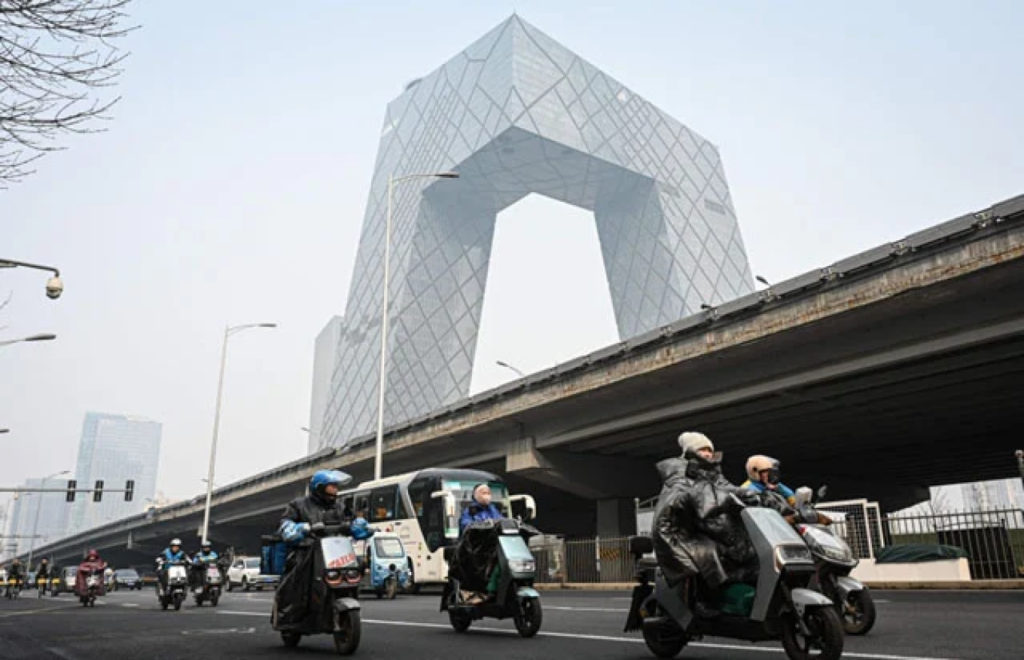
The negotiations, held in Hangzhou, exceeded their scheduled timeframe by over a day, finally concluding late on Saturday without establishing a firm deadline for the report’s completion. The failure to reach a definitive resolution has been met with frustration among climate activists and policymakers alike.
“This deadlock only serves those who wish to delay meaningful climate action,” said Zhe Yao, a global policy advisor at Greenpeace East Asia. “For nations that are already feeling the devastating effects of climate change, waiting is simply not an option.”
US Absence Casts a Shadow
The meeting was further complicated by the absence of US representatives, as President Donald Trump continues to roll back his predecessor’s climate policies. Experts have warned that the United States’ disengagement from the world’s leading scientific body on climate change could have severe consequences.
“International scientific collaboration is essential for prosperity, equity, and resilience—not just for the United States but for all nations,” remarked Johan Rockström, a prominent climate scientist from the Potsdam Institute for Climate Impact Research.
The meeting came on the heels of the hottest year ever recorded, amplifying concerns over the accelerating pace of global warming. UN officials had attempted to stress the urgency of the situation at the opening of the discussions on Monday.
“Time is not on our side,” cautioned Inger Andersen, head of the UN Environment Programme, calling for “ambitious and timely outcomes” from the talks.
The first UN stocktake in 2023 presented a stark warning about the slow progress in tackling climate change, prompting a historic decision at the COP28 summit to call for a global transition away from fossil fuels. Meanwhile, the IPCC has warned that the world is on track to exceed the Paris Agreement’s critical 1.5 degrees Celsius warming threshold as early as the early 2030s. Some recent studies suggest that this milestone could even be crossed before the end of this decade.
As global temperatures continue to rise and extreme weather events become more frequent, the inability of world leaders to agree on the timing of crucial climate science assessments adds further uncertainty to the international fight against climate change.