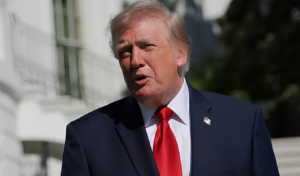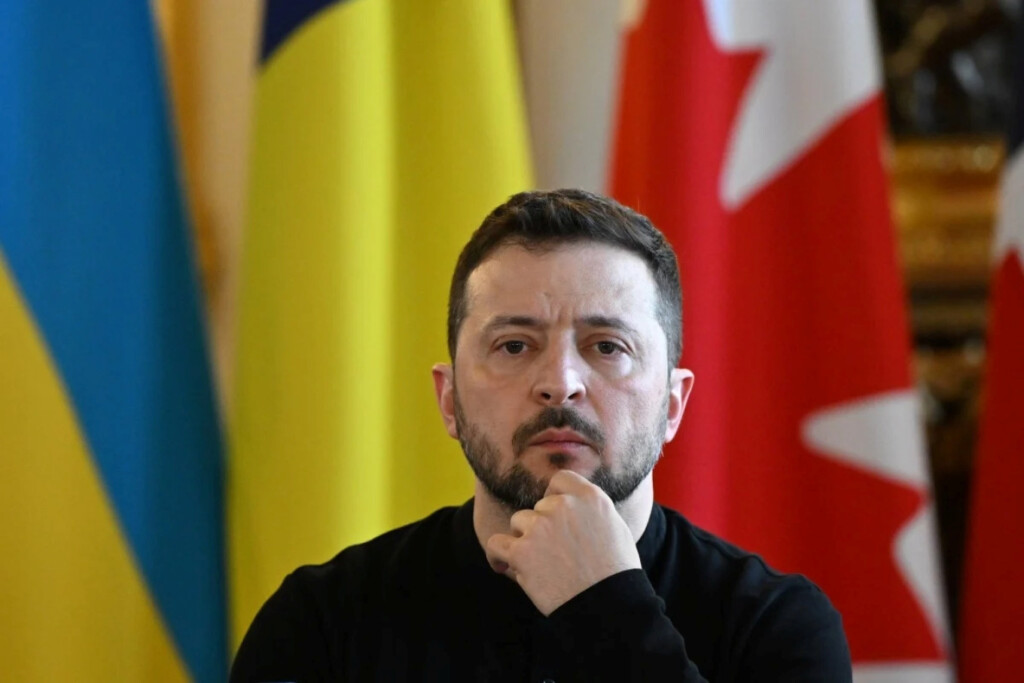
Washington, 2 March 2025 (BSS/AFP) – Senior officials in Washington have suggested that Ukrainian President Volodymyr Zelensky may need to step down in order to facilitate a peace agreement, marking a striking shift in President Donald Trump’s stance on the ongoing conflict with Russia.
“We require a leader who can negotiate with us, ultimately engage with the Russians, and bring this war to an end,” stated National Security Advisor Mike Waltz during an interview with CNN.
“If it becomes clear that President Zelensky’s personal or political motivations are misaligned with achieving peace in his country, then we are facing a significant problem.”
His comments, along with those from other key Republican figures, come after Trump’s highly publicised dispute with Zelensky during a tense meeting in the Oval Office on Friday.
The unprecedented clash—during which Trump criticised Zelensky as “disrespectful”—led to the Ukrainian leader leaving the White House without the expected agreement concerning Ukrainian mineral rights.
Zelensky attempted to stress, amid the heated discussion, that Kyiv required security assurances in order to trust any peace agreement with Moscow.
Of particular note, given the uncertainty surrounding the viability of a deal, Trump on Sunday shared a post on his Truth Social platform claiming that the mineral rights agreement itself would act as a security guarantee.
“Trump ensures that Americans will be involved in Ukraine’s mining industry,” the post read. “This deters a Russian invasion, as attacking Ukraine would put American lives at risk—compelling the U.S. to respond.”
Republican Shift on Zelensky’s Leadership
When pressed on Sunday talk shows about whether Russian President Vladimir Putin could be trusted, Republican officials instead implied that Zelensky’s leadership was the principal obstacle to peace.
“Either he needs to recognise reality and return to the table with a sense of gratitude, or someone else must take over to ensure that happens,” remarked House Speaker Mike Johnson.
“It is ultimately for the Ukrainians to decide, but… President Zelensky must take the necessary steps,” he added.
Tulsi Gabbard, Director of National Intelligence, stated on Fox News Sunday that Zelensky had “caused a major fracture in relations.”
Backlash from Democrats
Senior Democratic figures have reacted with anger to Friday’s developments.
“The White House is acting as an extension of the Kremlin,” said Senator Chris Murphy, a vocal critic of Trump’s foreign policy.
“It appears that America is aligning itself with authoritarian regimes,” he asserted on CNN.
Meanwhile, Secretary of State Marco Rubio maintained that the administration remained pragmatic about the nature of Putin’s Russia.
“No one here is suggesting Vladimir Putin is about to receive the Nobel Peace Prize,” he stated on ABC.
However, Rubio added that a peace deal is unattainable unless both sides engage in negotiations.
“I am not guaranteeing that it is achievable,” he said. “I am not suggesting it is even 90 per cent likely. But without diplomatic efforts, the probability is zero.”
European Concerns Mount
European leaders have reaffirmed their support for Ukraine, yet the rapid developments in Washington have left many scrambling to interpret what could be the most significant shift in Western security policy since the aftermath of World War II.
Further unease arose on Saturday night when billionaire Elon Musk, a known supporter of Trump who has been granted considerable influence over government spending, expressed agreement with a social media post advocating for the United States to exit NATO and the United Nations.
Trump has repeatedly urged NATO members to increase their defence expenditure and has expressed frustration with the UN’s multilateral approach. In a December interview with NBC, he declared he would “absolutely” consider withdrawing from NATO if alliance members did not contribute their “fair share.”
In February, Trump signed an executive order mandating a review of “United States support to all international organisations.”
Nevertheless, following urgent discussions in London regarding the Ukraine crisis, NATO Secretary-General Mark Rutte reassured the public on Sunday that despite criticisms, the United States remains committed to the alliance. He also announced increased defence spending by European nations.
Regarding the United Nations, Trump remarked on 4 February that while the organisation holds “great potential,” it must “get its act together.”
“It is not being well managed, to be frank, and it is failing in its mission,” he added.
Broader Implications
Trump’s shift in policy towards Ukraine signals a potential recalibration of U.S. foreign policy, with significant implications for NATO, European security, and global diplomatic alliances. The coming weeks will likely determine whether Ukraine’s leadership will remain steadfast or face pressure to accommodate Washington’s evolving stance.