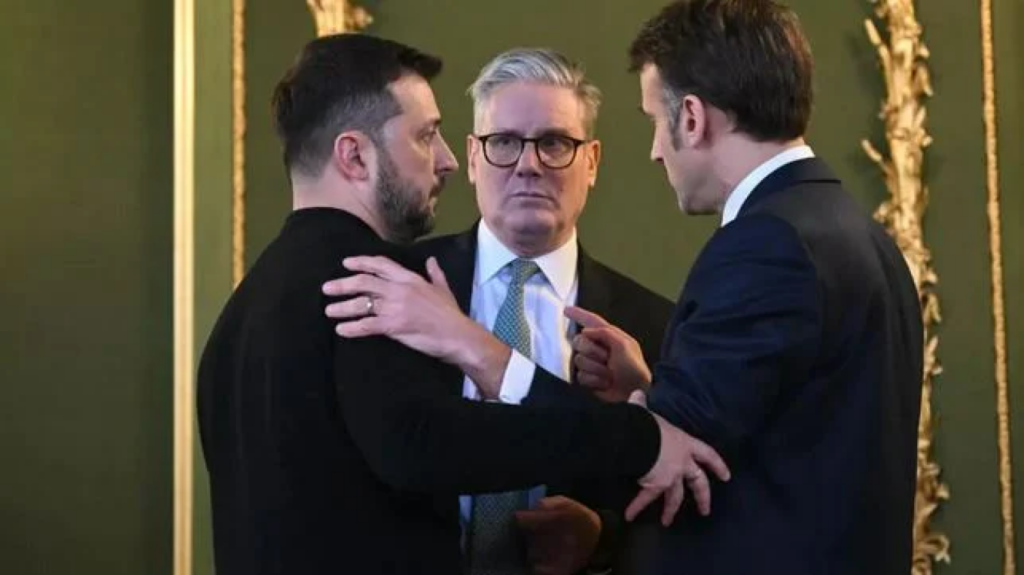
LONDON, March 3, 2025 (BSS/AFP) – Ukrainian President Volodymyr Zelensky announced on Monday that he would collaborate with European allies to define terms for a potential peace deal to present to the United States. This followed a summit in London where 18 European and other allies pledged to increase spending on security and form a coalition to support any peace agreement in Ukraine.
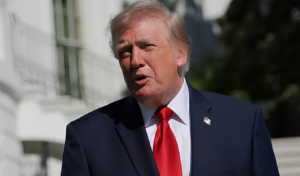
The weekend talks, held at a critical juncture for Ukraine amidst fluctuating US support and ongoing challenges against Russia’s three-year invasion, underscored the complex geopolitical landscape. Just days before, US President Donald Trump publicly berated Zelensky during a White House meeting, fuelling concerns that Trump might pressure Kyiv into accepting a peace deal favourable to Russian President Vladimir Putin.
Despite this, European leaders stood firmly behind Ukraine, with Zelensky stating after the summit that the gathering reaffirmed their commitment to peace efforts.
“We need peace, not endless war,” he wrote on Telegram.
“In the near future, all of us in Europe will shape our common positions – the lines we must achieve and the lines we cannot compromise on,” he continued. “These positions will then be presented to our partners in the United States.”
UK Prime Minister Keir Starmer, alongside French President Emmanuel Macron, indicated that Britain, France, and other European nations would work closely with Ukraine to draft a plan aimed at halting the conflict, which would subsequently be presented to Washington.
Macron, returning from the summit, revealed that France and Britain were considering proposing a partial one-month truce, focusing on air, sea, and energy infrastructure.
Starmer and Macron have expressed their willingness to send British and French troops to Ukraine to help preserve any potential truce.
However, with no certainty regarding US involvement, Starmer emphasised that “Europe must do the heavy lifting.”
One-Month Truce
Macron clarified that the proposed truce would not initially extend to ground combat, as enforcing it along the front line would be exceedingly difficult. He suggested that peacekeepers could be deployed at a later stage but ruled out the presence of European troops on Ukrainian soil in the immediate future.
Macron also proposed that European nations should increase their defence spending to between 3.0 and 3.5 percent of GDP in response to both Washington’s shifting priorities and Russia’s militarisation.
In contrast, Trump’s recent approach to the Ukraine war has sidelined both Kyiv and Europe, while seeking rapprochement with Putin. This shift was evident during the Oval Office meeting where Trump accused Zelensky of failing to appreciate US aid and not being “ready” for peace with Russia.
Starmer, who had met Trump shortly before, insisted that the United States remained a dependable ally, stressing that any peace deal “must have strong US backing” to succeed.
European Commission chief Ursula von der Leyen also raised concerns, urging Europe to urgently rearm and prepare for any escalation. Polish Prime Minister Donald Tusk called for a united Western stance to show Putin that the West would not capitulate to his aggression.
On Sunday, Trump downplayed concerns regarding his ties with Russia, suggesting that the US should focus less on Putin and more on domestic issues such as crime.
‘Constructive’ Approach
Trump’s Republican Party has largely supported his pivot towards Moscow’s narrative on the war. Some top officials have even suggested Zelensky should step down to facilitate a peace deal.
“We need a leader who can work with us, eventually with the Russians, to end this war,” said Mike Waltz, Trump’s national security adviser.
US House Speaker Mike Johnson echoed this sentiment, stating that Zelensky should either “come to his senses and return to the table” or make way for another leader.
Zelensky has repeatedly expressed willingness to resign in exchange for Ukraine’s NATO membership – a goal dismissed by Trump.
“If there is NATO and the war is over, it means I fulfilled my mission,” Zelensky stated on Monday.
He also underscored the importance of maintaining strong ties with the US and signalled his readiness to engage in discussions regarding the mineral deal that Trump has long desired.
“I am ready to engage in any kind of constructive format in relations with the US,” he said.
Context:
The ongoing conflict in Ukraine has caused significant international divisions, with major players such as the United States and European countries at times showing differing approaches. While the European Union and Ukraine remain aligned on security and peace efforts, the evolving US stance under Trump’s leadership has introduced new tensions. The outcome of these complex diplomatic manoeuvres will likely shape the future of Ukraine’s sovereignty and its relationship with both the West and Russia.