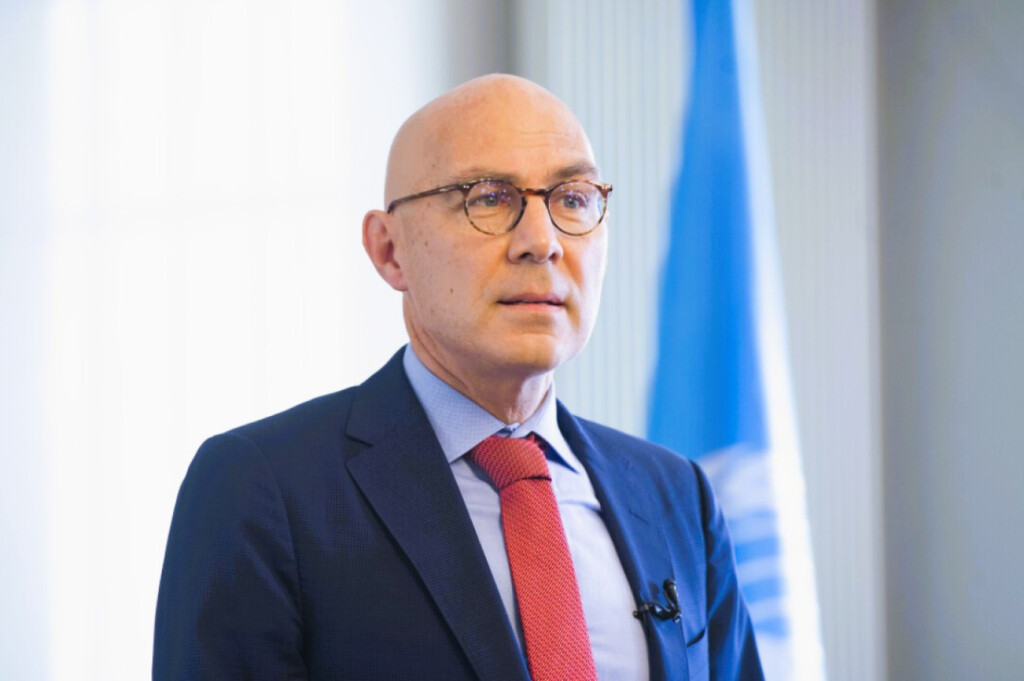
During the July Uprising, United Nations High Commissioner for Human Rights Volker Türk warned the Bangladesh Army that any involvement in the violence could lead to a ban from UN peacekeeping missions. Türk revealed this in a recent interview, saying that the warning played a role in shaping the military’s response.
Speaking on BBC’s HARDtalk on Wednesday, Türk said the UN played a crucial role in bringing international attention to the crisis and influencing events on the ground.
“During July-August, there were massive demonstrations of students, they had enough of the previous government under Sheikh Hasina, there was massive repression happening,” Türk said.
“The big hope for them was actually our voice, was my voice, and was also what we were able to do and we put the spotlight on the situation. And we actually gave the warning to the army that if they get involved, it means that they may not be allowed to be a troop-contributing country anymore,” he said. “As a result, we saw changes.”
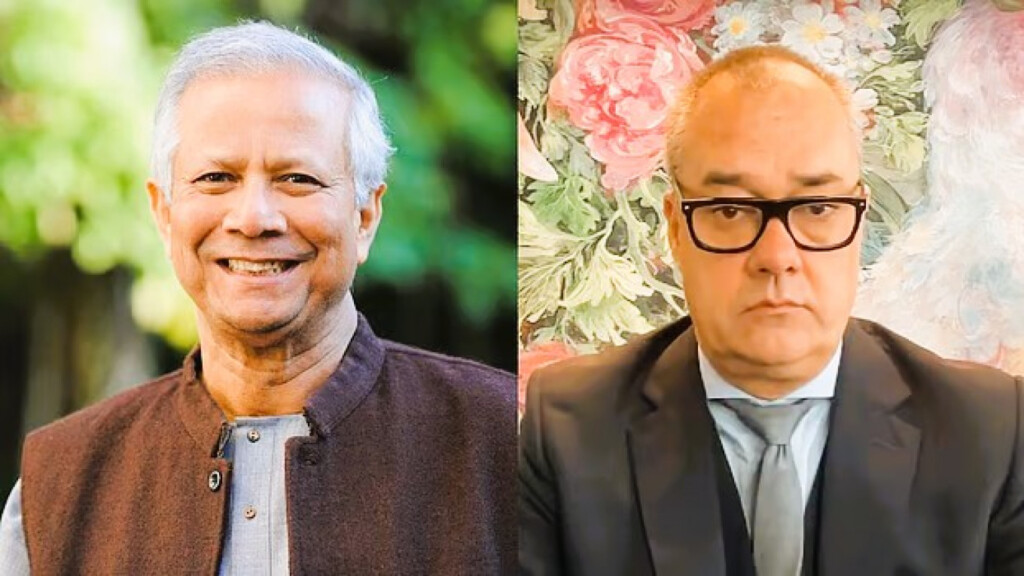
Türk also said that after Muhammad Yunus took over as Chief Adviser of the interim government, he immediately requested a UN fact-finding mission to investigate the crackdown on protesters.
During a visit to Bangladesh in November, Türk said he was personally thanked by students for the UN’s intervention.
“The students were so grateful for us taking a stand and for us speaking out and for us supporting them,” he added.
The UN’s fact-finding report, released last month, documented the deaths of 1,400 people during the July-August Uprising, which ultimately led to the ouster of Sheikh Hasina’s regime.
The report found that between July 15 and August 5, serious human rights violations were committed by security forces and armed Awami League supporters, describing it as a calculated effort to retain power at all costs.