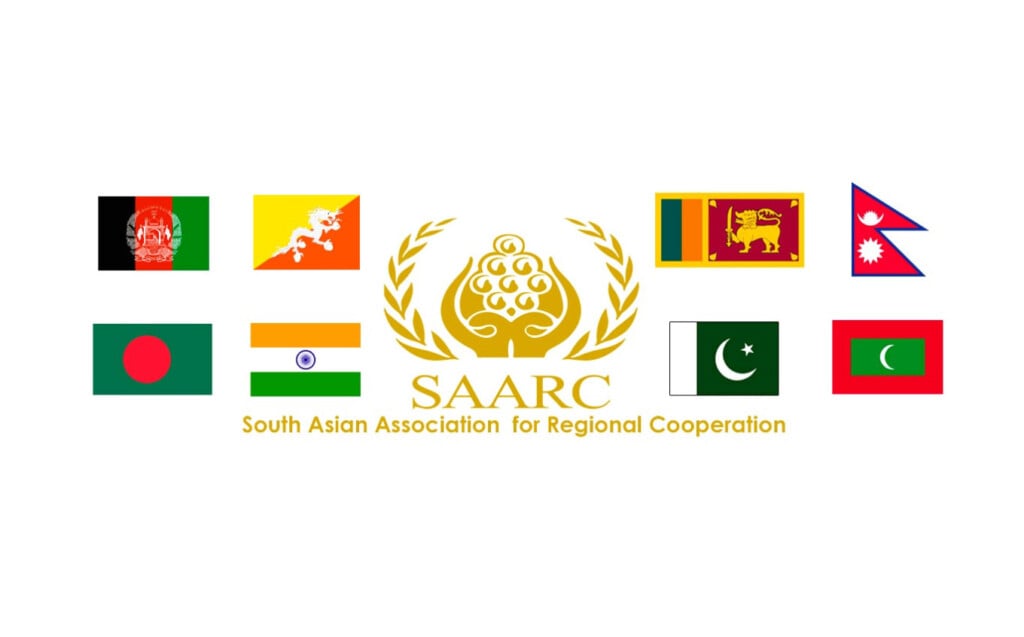
The South Asian Association for Regional Cooperation (SAARC) remains the least connected regional alliance in the world, with intra-SAARC trade accounting for just 5% of total trade among its member states, according to a recent report by Bangladesh Bank.
Despite efforts to strengthen cross-border trade, political complexities and trade barriers continue to hinder economic integration within SAARC nations.
Bangladesh’s Trade with SAARC Countries
The report, titled “A Report on Export Receipts, Import Payments, Remittances Inflow, and Foreign Direct Investment Net Inflow of Bangladesh with SAARC Countries” for the 2023-24 fiscal year, highlights Bangladesh’s low trade volume with its SAARC partners.
- Exports to SAARC countries accounted for only 4.47% of Bangladesh’s total export revenue, amounting to $1.74 billion.
- Imports from SAARC nations made up 15.44% of Bangladesh’s total import payments, reaching $9.76 billion.
India Dominates SAARC Trade with Bangladesh
India remains Bangladesh’s largest trading partner within SAARC, accounting for:
- 90% of Bangladesh’s total SAARC exports ($1.56 billion).
- 92.19% of total SAARC import payments ($9 billion).
Bangladesh’s Trade Breakdown by Country
Exports (2023-24 Fiscal Year):
- India: $1.56 billion
- Pakistan: $62.1 million
- Sri Lanka: $55 million
- Nepal: $43.3 million
- Afghanistan: 10.4 million
- Bhutan: $9.6 million
- Maldives: $4.8 million
Imports (2023-24 Fiscal Year):
- India: $9 billion
- Pakistan: $628 million
- Sri Lanka: $75.9 million
- Bhutan: $40 million
- Afghanistan: $11.9 million
- Nepal: $4.23 million
- Maldives: $3.5 million
Key Trade Products
Bangladesh exports a diverse range of goods to SAARC nations, including textiles, chemicals, rubber, footwear, prepared foodstuffs, machinery, and mineral products.
Key exports include:
- India: Textiles, raw hides, plastics, rubber, footwear, and machinery
- Pakistan: Textiles, chemicals, plastics, rubber, and base metals
- Sri Lanka: Chemical products, pulp, rubber, and machinery
- Afghanistan: Chemicals, textiles, foodstuffs, and beverages
- Bhutan: Foodstuffs, vinegar, plastics, and minerals
- Nepal: Foodstuffs, water, textiles, and chemical products
- Maldives: Beverages, textiles, and vegetable products
Declining SAARC Imports and Trade Challenges
The report highlights a shift in import dynamics, with Bangladesh importing less from its SAARC neighbors. Factors influencing this decline may include:
- Changing economic conditions
- Trade policy adjustments
- Geopolitical tensions and non-tariff barriers
The Bigger Picture
Despite having a combined population of nearly 2 billion people, SAARC nations trade significantly less with each other than with external partners, making it the world’s least economically integrated regional bloc.
The Bangladesh Bank report reinforces the need for stronger economic cooperation, reduced trade barriers, and improved political stability to unlock the full trade potential of the region.