RIO DE JANEIRO, 21 March 2025 (BSS/AFP) – Brazil, a nation holding 12% of the world’s freshwater reserves, is witnessing a sharp decline in its natural water bodies. A recent report highlights the concerning trend of dwindling surface water due to climate change and land conversion from forest to agriculture.
Decline in Water Bodies
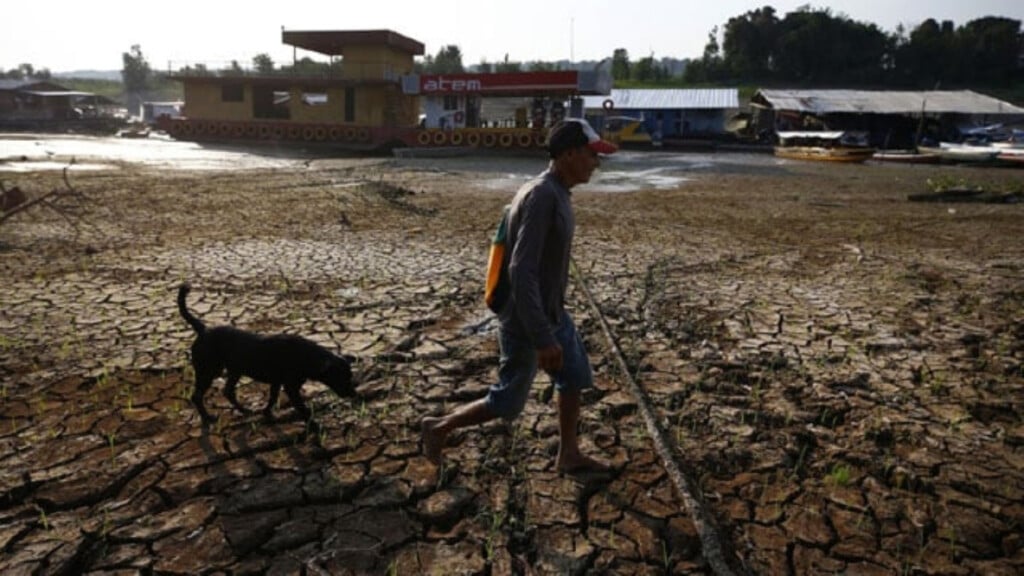
According to MapBiomas, Brazil lost 400,000 hectares of aquatic surface between 2023 and 2024, an area comparable to the U.S. state of Rhode Island. The data reveals a continuous downward trend over the past 16 years, with 2022 being the only exception to the decline.
| Year | Net Water Surface Loss (Hectares) |
|---|---|
| 1985-2024 | 2.4 million |
| 2023-2024 | 400,000 |
| 2022 | Increase recorded |
Since 1985, Brazil has lost approximately 2.4 million hectares of river and lake surface due to droughts, urban expansion, and excessive groundwater extraction.
The Role of Climate Change
Juliano Schirmbeck, coordinator of the MapBiomas Água report, warns that “the dynamics of land occupation and use, combined with extreme climate events caused by global warming, are making Brazil drier.” He stresses the need for adaptive water management strategies and public policies to mitigate this crisis.
Brazil is set to host the COP30 UN Climate Conference in November 2025 in Belém, capital of the Amazonian state of Pará, where discussions on climate adaptation and conservation strategies will be paramount.
The Amazon and Pantanal at Risk
Nearly two-thirds of Brazil’s surface water is located in the Amazon, a region vital for absorbing CO2 and regulating global climate. However, in 2024, the Amazon experienced a 4.5-million-hectare reduction in surface water compared to 2022—an area the size of Denmark.
The Pantanal wetlands, another critical biome, saw an alarming 61% reduction in water surface levels in 2024 compared to the average since 1985. The Pantanal, known as the world’s largest tropical wetland, has been severely affected by prolonged droughts and rampant wildfires.
Artificial Water Bodies: A Temporary Solution?
While human-made reservoirs and dams have increased by 54% since 1985, they have not been able to compensate for the significant loss of natural freshwater sources. This raises concerns about water security, biodiversity, and agricultural sustainability in the region.
A Call for Action
The declining freshwater reserves in Brazil pose a significant challenge to food production, hydroelectric power generation, and drinking water supply. As the country prepares for COP30, policymakers and environmentalists must push for urgent measures to prevent further loss and secure sustainable water resources for the future.