TOKYO, 25th March 2025 (BSS/AFP) – A Japanese court has ordered that the Unification Church be stripped of its official recognition, following the 2022 assassination of former prime minister Shinzo Abe, the government confirmed on Tuesday.
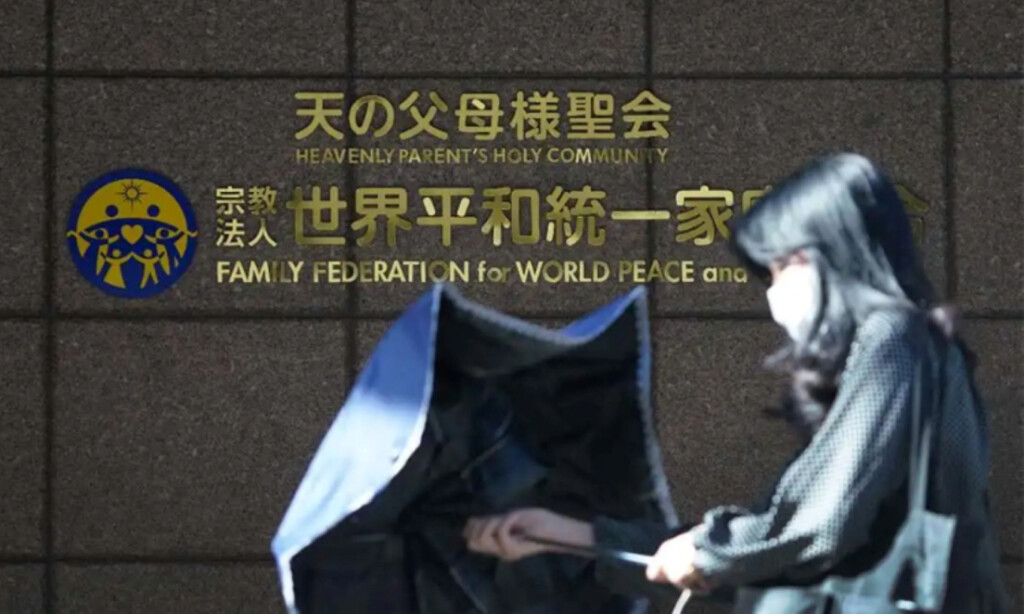
A spokesperson for the Japanese Ministry of Education stated that the Tokyo District Court had issued a “dissolution order” for the Japanese branch of the Unification Church, which was founded in South Korea by the late Sun Myung Moon. The group is often referred to as the “Moonies” after its founder.
Abe, who was Japan’s longest-serving prime minister, was tragically shot and killed while campaigning for re-election in 2022. The suspect, a man reportedly motivated by resentment towards the Unification Church, was said to have been angered by his mother’s substantial financial donations to the group, which reportedly totalled around 100 million yen (approximately $1 million at the time).
Following Abe’s assassination, investigations revealed significant ties between the Unification Church and numerous conservative lawmakers in Japan’s ruling party, which led to the resignation of four government ministers. The Church has been accused of pressuring its followers into making extreme financial donations, with some individuals alleging that such practices ruined their lives. Additionally, the organisation has faced criticism for its alleged role in child neglect among its members. However, the Unification Church has consistently denied these allegations.
The dissolution of the Church’s Japanese chapter marks a significant legal and political development in Japan, as it has sparked intense debate over the influence of religious organisations on the nation’s political landscape. This decision is likely to have far-reaching implications, especially given the Church’s historical ties to conservative figures in Japanese politics.
While the legal ruling may be seen as a victory for those affected by the Church’s controversial practices, it also raises broader questions about the regulation of religious organisations in Japan and their potential to influence public policy.