SYDNEY, 26 March 2025 (AFP) – A major Australian coal mine may have significantly underestimated the amount of methane it releases into the atmosphere, according to new research that raises concerns over the accuracy of industry emissions reporting.
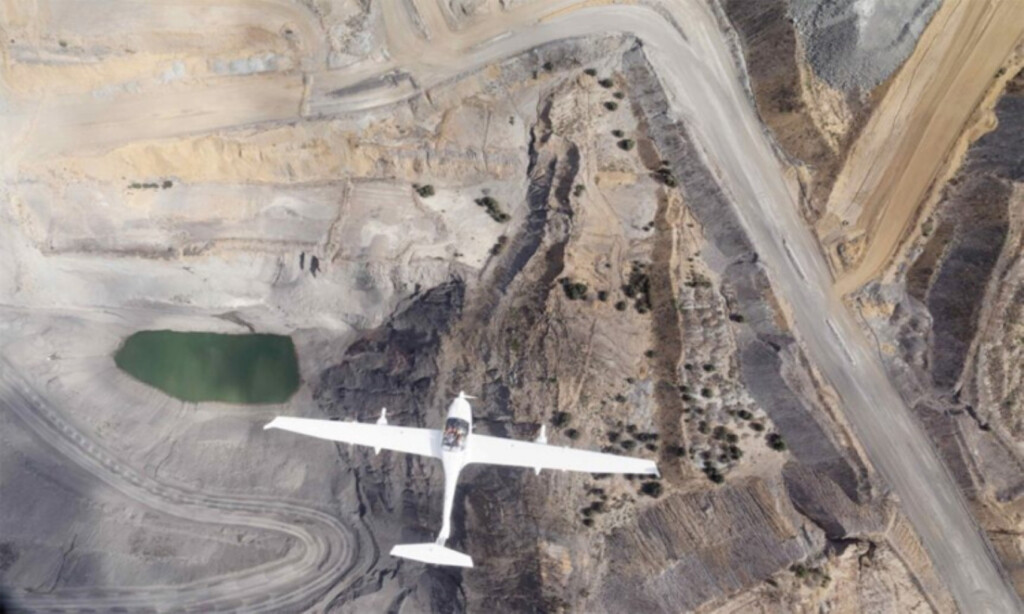
A study conducted by the United Nations’ International Methane Observatory, in collaboration with Australian scientists, used aerial monitoring technology to assess emissions from the Hail Creek coal mine in Queensland, operated by commodities giant Glencore.
Two monitoring flights carried out in 2023 detected methane emissions that could be up to eight times higher than Glencore’s officially reported figures, the researchers revealed.
The Role of Methane in Climate Change
Methane is a potent greenhouse gas that accumulates in underground coal seams and is released during mining operations. According to the International Energy Agency, coal mining is a significant contributor to global methane emissions.
“Reducing methane emissions is one of the fastest and most cost-effective ways to slow global warming in the short term,” said Australian scientist Stephen Harris, who works with the UN’s methane observatory.
Unlike carbon dioxide, which remains in the atmosphere for centuries, methane has a much shorter lifespan. However, it is approximately 80 times more effective at trapping heat over a 20-year period, making it a critical factor in near-term climate change mitigation.
Disputed Findings
The researchers measured methane plumes in the air downstream of the mine, located approximately 130 kilometres (80 miles) west of the port city of Mackay, in September 2023.
If these emissions were consistent throughout the year, the mine’s actual methane output would be between three and eight times higher than the figures published by Glencore, the study found.
However, Glencore has rejected the findings, arguing that they are based on a limited sample size that lacks scientific credibility.
“This limited data was then used to extrapolate an annual emissions inventory for the mine,” the company stated.
The Anglo-Swiss firm, one of Australia’s largest coal exporters, also noted that it had introduced a more accurate emissions monitoring system since 2023 and expressed “significant doubts” about the study’s conclusions.
Global Efforts to Curb Methane Pollution
The research findings come amid growing international efforts to curb methane emissions as part of climate action strategies. The Global Methane Pledge, launched at COP26 in 2021, aims to reduce methane emissions by at least 30% by 2030.
NASA has reported that atmospheric methane concentrations have doubled over the past 200 years, contributing to roughly 30% of global temperature increases.
The study was published in the peer-reviewed journal Environmental Science & Technology Letters, adding to a growing body of research highlighting the need for more rigorous monitoring of industrial methane emissions.
While methane reduction is seen as an urgent priority for tackling climate change, disputes between environmental researchers and major fossil fuel companies underscore the challenges in achieving accurate reporting and effective mitigation strategies.