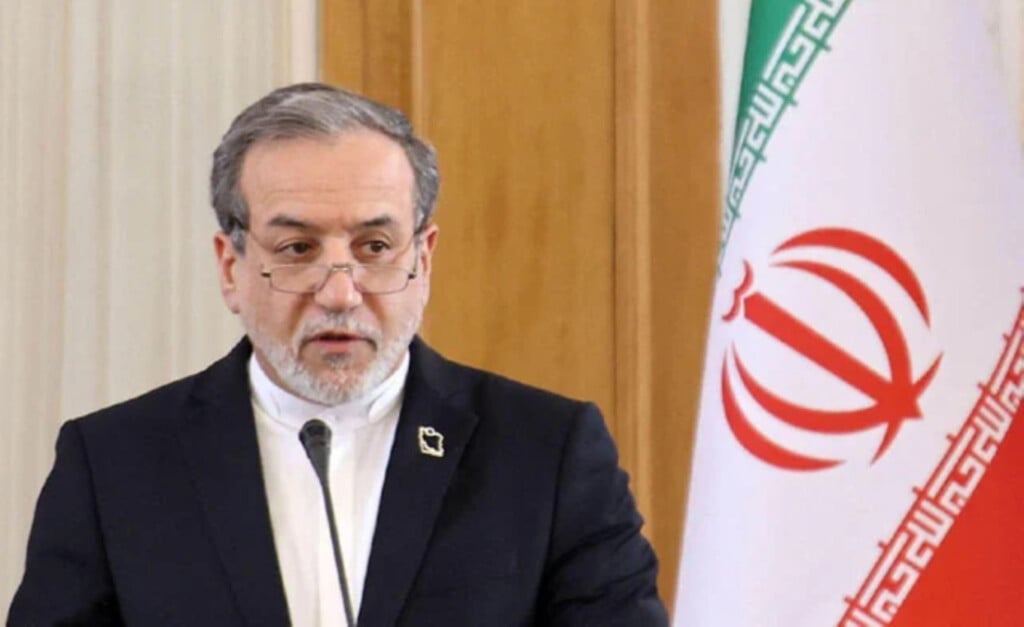
TEHRAN, March 28, 2025 (BSS/AFP) – Iran has confirmed that it has sent a response to a letter from US President Donald Trump, who had called for nuclear talks and warned of potential military action if Iran refuses. This was revealed by Iran’s Foreign Minister, Abbas Araghchi, on Thursday.
“Our official response includes a letter in which we have fully explained our position regarding the current situation and President Trump’s letter to the other party,” Araghchi told the official IRNA news agency.
The letter, he added, was delivered through Oman, a country that has previously acted as an intermediary between the two nations due to the absence of direct diplomatic relations between the US and Iran.
However, Araghchi did not reveal details of the content or timing of the response.
US Secretary of State Marco Rubio, when asked by reporters whether the United States had received Iran’s letter, responded, “I’m not going to comment on that yet.” He also stated that the US had expected a response and that President Trump would decide on any further actions to be taken following the reply.
Trump, who in 2018 withdrew the United States from the nuclear agreement that had eased sanctions on Iran in exchange for limitations on its nuclear programme, has recently expressed a willingness to engage in diplomatic talks with Tehran.
Earlier in March, Trump revealed that he had sent a letter to Iran’s Supreme Leader, Ayatollah Ali Khamenei, inviting dialogue. At the same time, he has maintained his “maximum pressure” campaign, which involves imposing additional sanctions on Iran and the threat of military action should Iran refuse to negotiate.
Araghchi reiterated Iran’s stance, stating, “Our policy remains not to negotiate directly under ‘maximum pressure’ and the threat of military action. However, indirect negotiations, similar to those conducted in the past, can continue.”
Intermediaries and Diplomatic Channels
Since the severing of diplomatic ties between Iran and the United States in 1980, the two countries have communicated indirectly through various intermediaries. The Swiss embassy in Tehran represents US interests in Iran, and Oman has previously played a key role in facilitating dialogue. The United Arab Emirates delivered Trump’s letter to Tehran, while Qatar has also been involved in mediation efforts, though to a lesser extent.
Iran had agreed to the nuclear deal in 2015, known as the Joint Comprehensive Plan of Action (JCPOA), after negotiations with major world powers, including the United States and China. The agreement aimed to limit Iran’s nuclear programme in exchange for sanctions relief. However, concerns over Iran’s nuclear ambitions have persisted, with Western nations accusing Tehran of seeking nuclear weapons capabilities, a claim that Iran has consistently denied. Iran maintains that its nuclear programme is solely for peaceful, civilian purposes.
While Iran continued to honour the agreement for about a year after Trump’s withdrawal, it gradually scaled back its commitments in response to the re-imposition of US sanctions. The US withdrawal was partly driven by concerns over Iran’s ballistic missile programme, which was not covered by the 2015 deal, and which Washington has long considered a security threat.
The exchange of letters between Trump and the Iranian leadership highlights the ongoing tensions, but also the potential for further diplomatic engagement, despite the challenges posed by decades of mistrust and geopolitical complexities.