BANGKOK, 30 March 2025 (BSS/AFP) – After enduring four years of relentless civil war, Myanmar now faces another devastating challenge—one for which it is woefully unprepared.
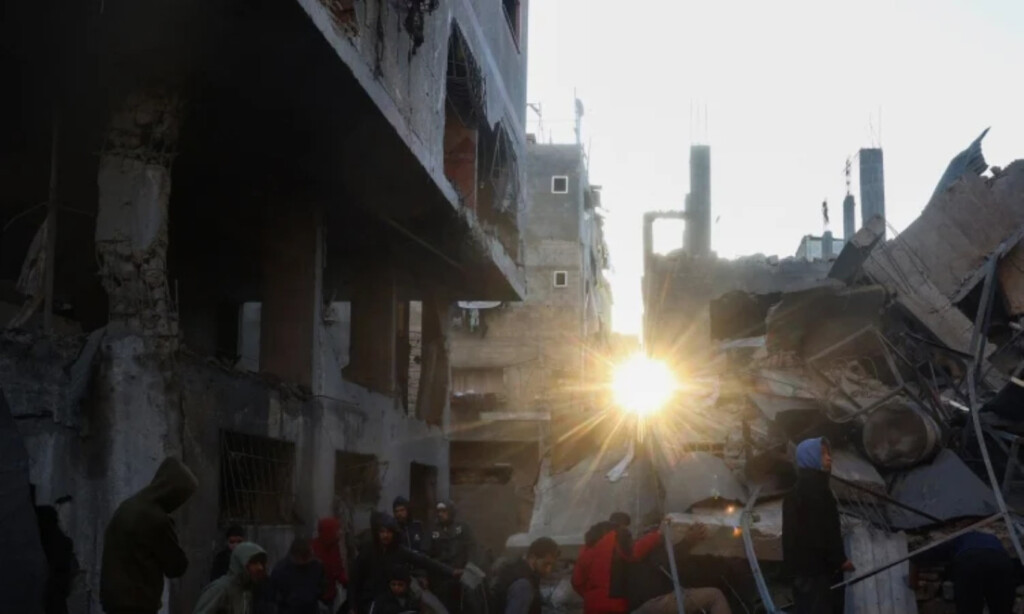
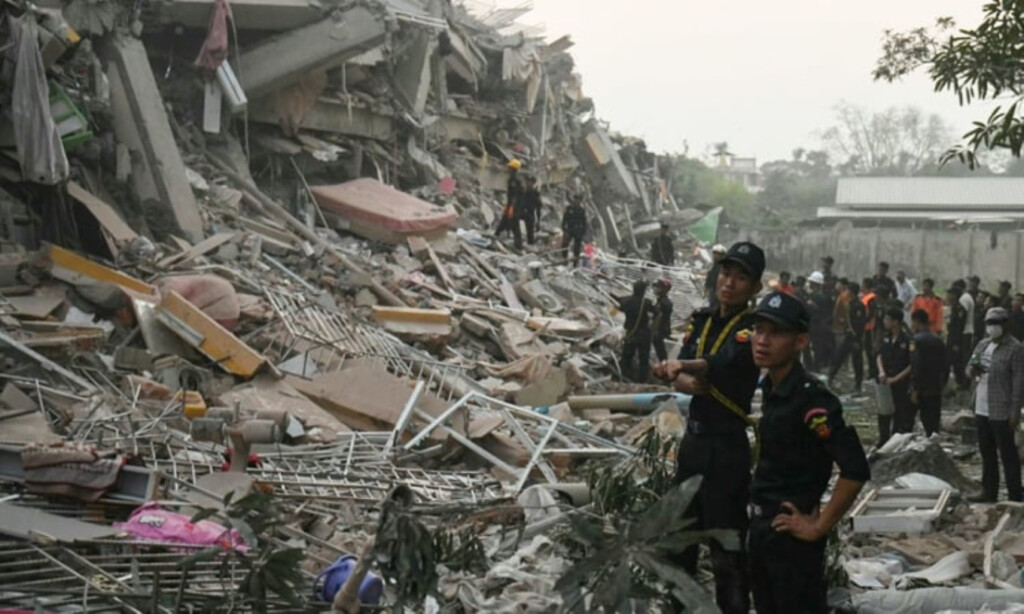
The 7.7-magnitude earthquake that struck central Myanmar on Friday has claimed over 1,600 lives and levelled thousands of homes. Yet, the destruction wrought by the quake is exacerbated by the country’s already crumbling infrastructure, decimated healthcare system, and erratic power supply, all consequences of the ongoing conflict triggered by the 2021 military coup.
Humanitarian Crisis Worsens
Even before the earthquake, Myanmar was grappling with an unprecedented humanitarian emergency. The United Nations and aid agencies have highlighted that millions were already in desperate need of assistance, and the latest catastrophe has only worsened their plight.
“We estimated that 19.9 million people required humanitarian assistance even before the earthquake struck,”* stated UN humanitarian coordinator in Myanmar, Marcoluigi Corsi. “This situation will only deteriorate further.”
Before the quake, the World Food Programme (WFP) reported that over 15 million people—almost 30% of the population—were struggling to secure sufficient food. With medical supplies now critically low, rescue teams on the ground are pleading for additional equipment to comb through collapsed buildings for survivors.
Meanwhile, Myanmar’s dire situation has been compounded by foreign aid cuts. US President Donald Trump’s decision to slash funding for the US Agency for International Development has left at least one million civilians facing reduced WFP assistance. Although Washington has pledged support following the earthquake, the longer-term implications of these funding cuts remain concerning.
Junta’s Struggles in Disaster Response
The ruling junta, led by General Min Aung Hlaing, has steadily lost control over large swathes of Myanmar due to fierce resistance from ethnic armed groups and pro-democracy factions. While it still commands major cities like Mandalay—one of the hardest-hit areas—the government’s ability to manage relief efforts is severely hampered.
Following the 2021 coup, many civil servants defected to the resistance, further weakening an already inefficient bureaucracy. In what appeared to be a rare admission of failure, Min Aung Hlaing made an unprecedented appeal for international aid on Friday—a stark departure from previous military regimes that typically shunned foreign assistance.
A Nation Fragmented by Conflict
The already chaotic relief efforts face additional hurdles due to Myanmar’s fractured political landscape. Control of territory is divided among various factions, including the military, ethnic armed organisations, and resistance forces. The earthquake’s epicentre in Sagaing has been a battleground for some of the fiercest fighting between junta forces and resistance groups, raising fears that aid distribution may be obstructed or even exploited for political gain.
| Key Challenges to Myanmar’s Earthquake Response |
|---|
| Humanitarian Crisis: Over 19.9 million people required aid before the earthquake. |
| Infrastructure Collapse: Hospitals, roads, and communication networks severely damaged. |
| Political Fragmentation: Multiple armed groups controlling different territories. |
| International Sanctions: Limited funding due to global economic restrictions. |
A Crumbling Infrastructure
Years of conflict have left Myanmar’s infrastructure in tatters. The military has bombed hospitals in rebel-held areas, forcing many doctors to abandon government facilities and join the opposition. Hospitals in Mandalay, Magway, and Naypyidaw are now struggling to cope with the overwhelming number of injured.
The earthquake has also severely disrupted communications, with power outages and internet blackouts further complicating aid coordination. Many roads have buckled, cutting off remote areas from much-needed assistance.
With thousands now homeless, the UN and other humanitarian organisations are calling for urgent housing solutions to prevent a secondary crisis. However, given Myanmar’s deep political turmoil, effectively delivering aid remains an uphill battle.
International Response and Uncertain Future
While international rescue teams and aid shipments have begun arriving, the broader question remains—can Myanmar’s fragile state handle such a monumental disaster? The quake has laid bare the devastating impact of years of war and economic collapse, and unless international agencies can navigate the country’s political complexities, millions may continue to suffer without relief.
As Myanmar struggles to recover, the earthquake has underscored the urgency of a sustainable and inclusive solution to the country’s ongoing crisis. Until then, the nation remains at the mercy of both man-made and natural disasters, with its people paying the ultimate price.