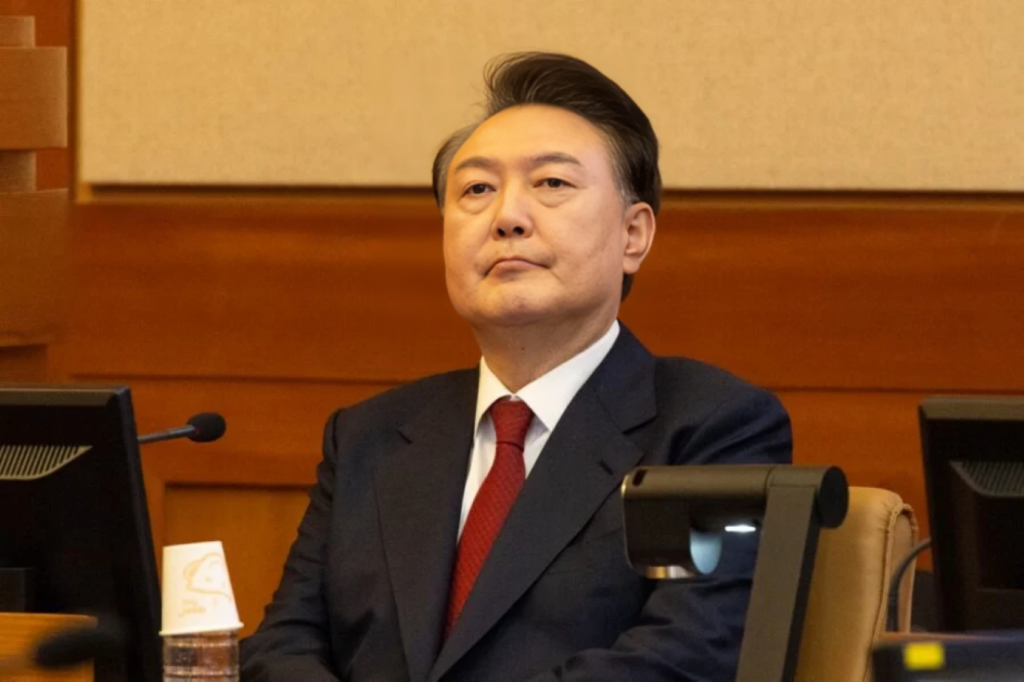
SEOUL, 4 April 2025 (BSS/AFP) – South Korea’s Constitutional Court has unanimously ruled to remove impeached President Yoon Suk-yeol from office, following his controversial declaration of martial law last December. The decision brings an end to months of political instability and paves the way for fresh presidential elections within 60 days.
President Yoon, aged 64, had already been suspended by the National Assembly after attempting to deploy armed forces to block lawmakers from overturning his executive decree on 3 December 2024. The unprecedented action, widely condemned as an assault on civilian rule, resulted in Yoon’s arrest on charges of insurrection.
Millions of South Koreans watched the landmark verdict live, with the country’s main messaging platform, KakaoTalk, reporting delays due to a surge in usage. In a courtroom tightly guarded by special police units, acting Chief Justice Moon Hyung-bae delivered the historic ruling:
“Given the serious negative impact and far-reaching consequences of the respondent’s constitutional violations… we hereby dismiss President Yoon Suk-yeol.”
Repercussions and Reactions
Yoon’s removal is immediate, prompting preparations for a snap election. The precise date is expected to be announced shortly. His ousting marks the second time in South Korea’s democratic history that a sitting president has been removed by the Constitutional Court, the first being Park Geun-hye in 2017.
Scenes outside the court reflected the nation’s deep division. Opposition lawmakers celebrated the decision, calling it a “historic correction of power”, while Yoon’s supporters reacted with anger and disbelief. Additional police protection was swiftly assigned to the judges following threats from pro-Yoon demonstrators.
In a brief statement, Yoon expressed regret, saying he had “failed to meet the expectations of the people”.
Summary of Charges and Constitutional Breaches
| Violation | Details |
|---|---|
| Martial Law Declaration | Unilaterally deployed armed troops to parliament to block legislative action. |
| Violation of Rule of Law | Undermined democratic processes and civilian supremacy over the military. |
| Betrayal of Public Trust | Acted unconstitutionally for political ends, breaching legal and democratic norms. |
The court emphasised that Yoon’s actions “violated the political neutrality of the armed forces” and represented a “serious violation of the law that cannot be tolerated”.
National and Global Implications
The court’s decision brought immediate political and economic ripple effects. The Korean won gained sharply against the US dollar, and the KOSPI stock index rose modestly by 0.35%. Experts say the ruling may strengthen international confidence in South Korea’s democratic institutions.
“The very fact that the system did not collapse suggests that Korean democracy can survive even the worst challenge against it — a coup attempt,” said Byunghwan Son, a professor at George Mason University.
A Nation in Crisis
Yoon’s presidency was already under strain, with South Korea grappling with multiple crises:
A deadly aviation disaster in January 2025
The most destructive wildfires in the nation’s history
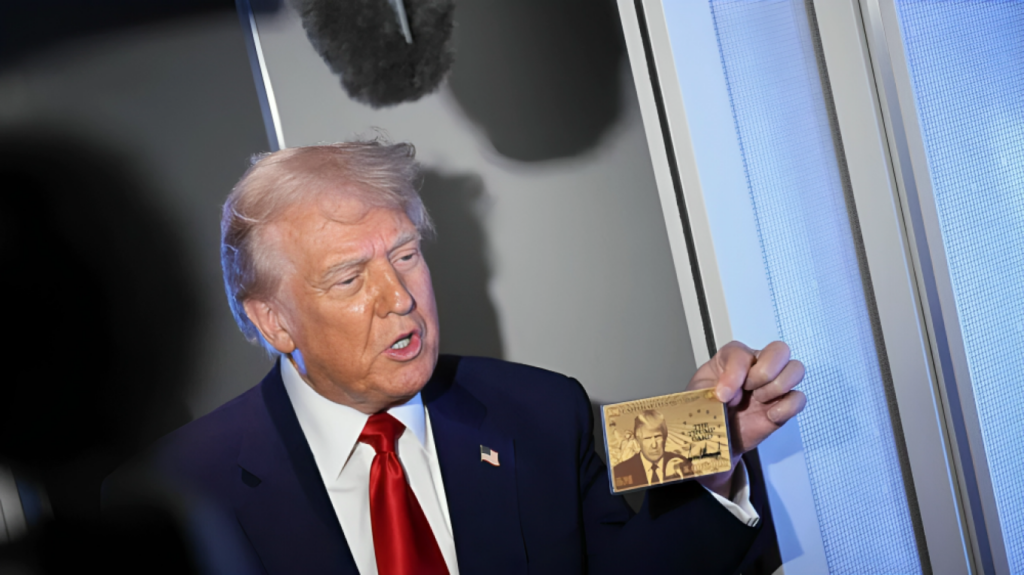
Newly imposed 25% tariffs by the United States under President Donald Trump’s trade reforms
Furthermore, the leadership vacuum was exacerbated when the acting president, appointed after Yoon’s suspension, was also briefly impeached before being reinstated by court order.
Public Sentiment
Crowds gathered in Seoul to watch the verdict live. When the ruling was announced, anti-Yoon demonstrators erupted in cheers, with many shedding tears of joy.
“When the dismissal was finally declared, the cheers were so loud it felt like the rally was being swept away,” said 25-year-old protester Kim Min-ji.
However, two Yoon loyalists have tragically died by self-immolation since the impeachment, highlighting the emotional toll of the crisis.
What Lies Ahead
Acting President Han Duck-soo will remain in office until elections are held. Yoon still faces criminal proceedings for his alleged role in the attempted power grab. According to South Korean defence regulations, his portraits have already been removed from military offices.
In a statement following the verdict, National Assembly Speaker Woo Won-shik reinforced the message of democratic accountability:
“We have reaffirmed that no one in the Republic of Korea can be above the law.”
Background: Presidential Impeachment in South Korea
| President | Year | Reason for Impeachment | Outcome |
|---|---|---|---|
| Park Geun-hye | 2017 | Corruption and abuse of power | Removed |
| Yoon Suk-yeol | 2025 | Martial law and insurrection | Removed |
This verdict serves as a potent reminder of the enduring strength of South Korea’s democracy and the unyielding demand for accountability from its leaders.