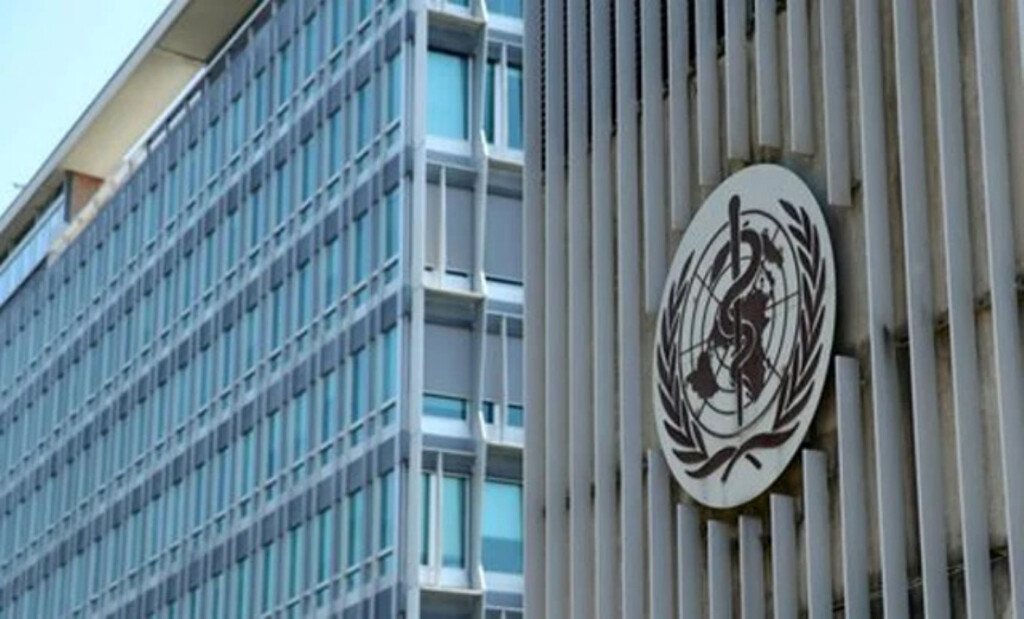
GENEVA, 16 April 2025 – Following more than three years of intense negotiations, countries have reached a landmark agreement at the World Health Organization (WHO) headquarters in Geneva, aimed at preventing a repeat of the global failures witnessed during the COVID-19 pandemic.
The accord, finalised in the early hours of Wednesday morning after a marathon session, sets out a comprehensive framework for how the world should respond to future pandemics. The agreement comes five years after COVID-19 brought widespread loss of life, disrupted global economies, and overwhelmed healthcare systems across the globe.
“Tonight marks a significant milestone in our shared journey towards a safer world,” said WHO Director-General Dr Tedros Adhanom Ghebreyesus, addressing delegates after the deal was sealed around 2:00am local time.
The urgency surrounding the talks was heightened by the looming threat of emerging infectious diseases such as H5N1 avian influenza, mpox, measles, and Ebola. Global health leaders have expressed concern that without coordinated preparedness, the world remains vulnerable to such outbreaks.
Pathogen Sharing and Equity at the Core
At the heart of the agreement lies the proposed Pathogen Access and Benefit-Sharing System (PABS), a mechanism designed to ensure rapid sharing of pathogen data and equitable access to medical countermeasures—such as vaccines and diagnostics—particularly for lower-income nations.
A major sticking point in the final days of negotiations was Article 11, addressing the transfer of technology related to pandemic health products. Developing countries have long criticised wealthier nations for hoarding critical resources during COVID-19. In response, the new agreement proposes that technology transfers should be “mutually agreed”, thus ensuring flexibility while appeasing countries with large pharmaceutical industries wary of mandatory provisions.
Applause and Approval
The 32-page agreement received unanimous approval from all WHO member states, with the document marked entirely in green to signify consensus.
“It’s adopted,” declared co-chair Anne-Claire Amprou to a round of thunderous applause. “In drafting this historic agreement, countries have shown their collective determination to safeguard humanity from future health emergencies.”
The final text will be presented for formal adoption at the WHO’s annual assembly next month.
Global Reaction: A New Chapter
Leaders and organisations around the world responded swiftly with praise. European Commission President Ursula von der Leyen welcomed the development, noting that the COVID-19 crisis had taught the world the importance of not only tests, treatments, and vaccines—but also solidarity and cooperation.
Pharmaceutical groups, including the International Federation of Pharmaceutical Manufacturers and Associations (IFPMA), expressed support for the agreement while underscoring the need for legal clarity and intellectual property rights to encourage continued investment in high-risk research and development.
“The pandemic agreement is a starting point,” said IFPMA chief David Reddy. “We now need to ensure it leads to tangible implementation.”
Representatives from developing nations and civil society groups also welcomed the accord, even as some expressed disappointment that more ambitious provisions were not included. “While not all aspirations were fulfilled, this marks an important step towards future collaboration,” said Tanzania’s delegate on behalf of several African nations.
Challenges Ahead
Dr Tedros highlighted the need for equity in future responses, reminding attendees that while preventive measures may require investment, the cost of inaction is far greater. “The virus is the worst enemy. It can be more destructive than a war,” he remarked.
However, the process was overshadowed by the absence of the United States. Since returning to office, President Donald Trump has withdrawn from both the WHO and the pandemic treaty talks, coupled with a move to slash US foreign aid and impose potential tariffs on pharmaceutical imports. This absence was felt throughout the discussions, casting a degree of uncertainty over future international cooperation.
Unity in a Divided World
Despite political tensions and competing national interests, the final agreement was heralded as a triumph of multilateralism. Former New Zealand Prime Minister Helen Clark, co-chair of the Independent Panel for Pandemic Preparedness and Response, called it a testament to the global will to cooperate.
“At a time when multilateralism is under threat, WHO member states have come together to say that we will confront the next pandemic together,” she said.
As dawn broke over Geneva, a final reminder came from Eswatini’s representative: “While we celebrate this moment, we must not rest on our laurels. The real work begins now.”