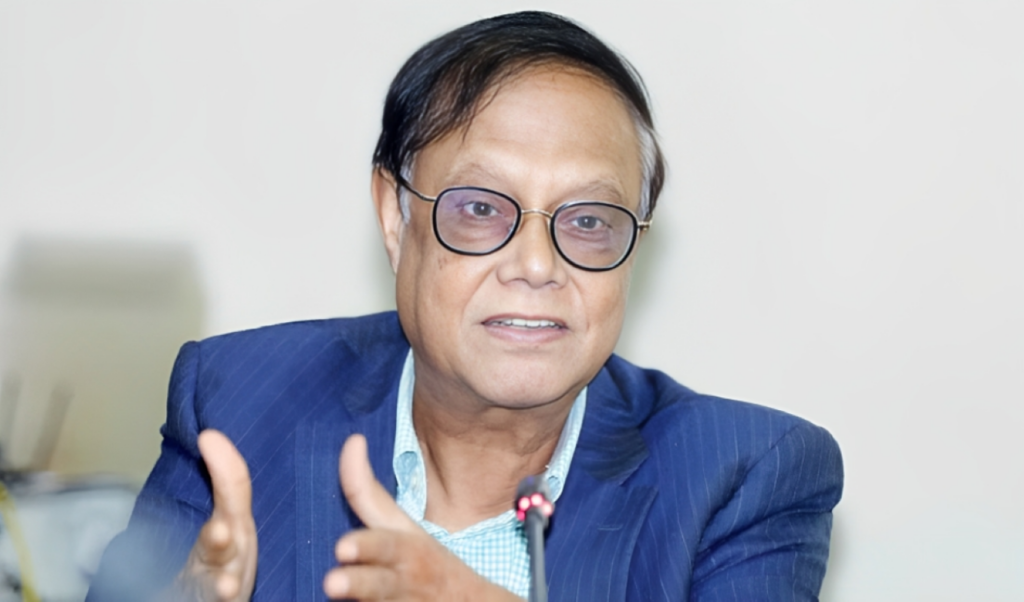
DHAKA, 14 May 2025 (BSS) – Bangladesh Bank Governor Dr. Ahsan H. Mansur has announced the introduction of a market-based dollar exchange rate from Wednesday, 14 May, as part of measures to meet the conditions of the International Monetary Fund (IMF) loan programme.
Joining a press conference virtually from Dubai, Dr. Mansur stated, “We have waited to move to a market-based dollar rate. Now, the time has come. However, this does not mean that we will buy dollars at any price.”
He emphasised that the exchange rate would remain within a reasonable range, dismissing speculation of extreme fluctuations. “The current dollar rate will stay close to where it is now. It is not realistic to think it will jump to 140-150 Taka. Bangladesh’s dollar exchange rate will be determined according to the country’s own regulations, not based on external pressures. There is sufficient dollar liquidity in the market,” he added.
Dr. Mansur also revealed that Bangladesh is set to receive a total of $3.5 billion from various multilateral donors, including the World Bank, the Asian Development Bank (ADB), and the IMF, by the end of June, following the confirmation of the IMF loan.
He expressed optimism that the new exchange rate, aligned more closely with market realities, would remain stable given the healthy dollar supply in the market.
“Today’s meeting has formally communicated this market-based exchange rate approach to the banks,” he said, clarifying that the central bank would intervene if necessary to stabilise rates during large foreign transactions.
The decision follows a series of high-level meetings on 13 May, where Bangladesh Bank, under Dr. Mansur’s leadership, reached a final agreement with the IMF on introducing greater flexibility in exchange rates.
As a result of this breakthrough, the IMF has agreed to release $1.3 billion of the $4.7 billion loan package scheduled for June. Earlier disbursements had been delayed due to disagreements over the implementation of the ‘crawling peg’ exchange rate system.