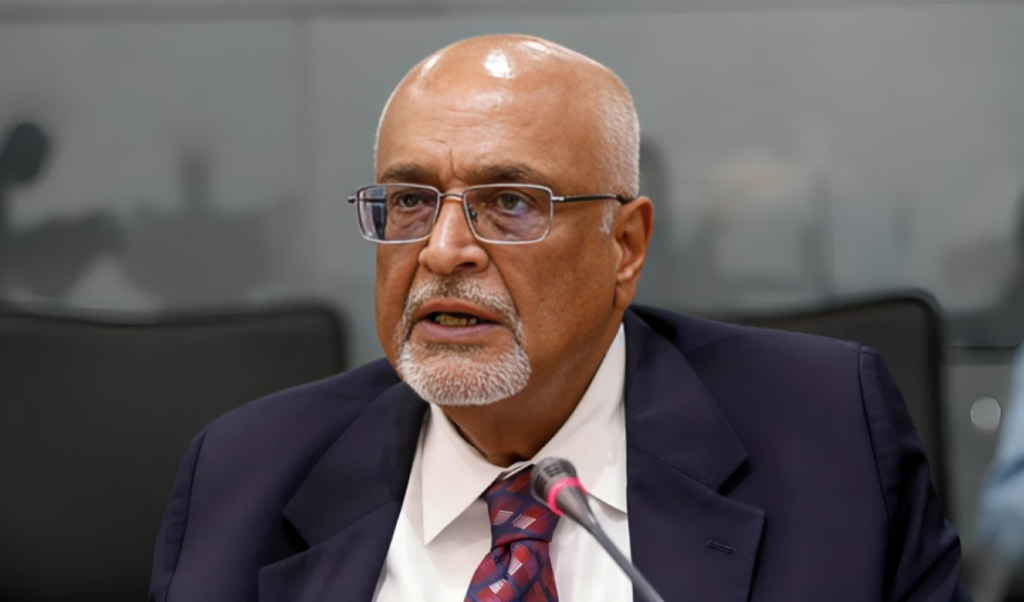
Dr. Debapriya Bhattacharya, a distinguished fellow at the Dhaka-based think tank Centre for Policy Dialogue (CPD), has emphasised that there is no need for unnecessary fear or panic regarding US tariffs. Speaking at a seminar titled “US Reciprocal Tariffs and Bangladesh’s Action Plan” organised by the Dhaka Chamber of Commerce and Industry (DCCI) on 17th May (Saturday), Dr. Bhattacharya stated:
“In trade economics, no one is a permanent enemy. The concern being raised over US tariffs is often exaggerated. In reality, it may not be as severe as perceived.”
Key Highlights of the Seminar
| Speaker | Position | Key Message |
|---|---|---|
| Dr. Debapriya Bhattacharya | Distinguished Fellow, CPD | – US tariffs will also impact American importers, reducing one-sided risk. – LDC transition concerns are premature; Bangladesh has two years for preparation. – Emphasised the need for economic diversification and focus on the services sector. |
| Mahbubur Rahman | President, International Chamber of Commerce (ICC) Bangladesh | – Bangladesh’s negotiation capacity remains weak. – Urged improvement in international trade negotiation skills. |
| Dr. Masrur Riaz | Chairman, Policy Exchange of Bangladesh | – Warned of the risks in the US-China trade dispute. – Highlighted the need for a cautious and strategic approach. |
| Mahbubur Rahman | Secretary, Ministry of Commerce | – Discussed practical steps like establishing separate cotton warehouses to counter tariff impacts. |
| Rajib Haider | Director, BTMA | – Stressed the need to resolve the gas crisis for industry survival. – Noted a 40% production drop due to gas supply issues. |
Key Discussions
Impact on US Importers
Dr. Bhattacharya highlighted that any tariffs imposed on Bangladesh could also affect American importers, making the impact less one-sided.
He noted that trade relations are rarely absolute and that the ongoing US-China negotiations could lead to more balanced outcomes.
LDC Transition Strategy
Addressing concerns over Bangladesh’s transition from the Least Developed Country (LDC) category, he advised against unnecessary panic.
He noted that Bangladesh still has two years for preparation and should focus on economic diversification, including the services sector, to mitigate potential tariff impacts.
Private Sector Involvement
Dr. Bhattacharya called for greater private sector involvement in government reforms, stressing the need for a collaborative approach to economic resilience.
Weak Negotiation Capacity
ICC Bangladesh President Mahbubur Rahman pointed out that Bangladesh’s negotiation capacity remains weak, emphasising the need for skill development in international trade discussions.
Strategic Caution in US-China Trade Dispute
Policy Exchange Chairman Dr. Masrur Riaz drew an analogy, warning that “When two elephants fight, the grass gets trampled. Even when they play, the grass suffers.”
He cautioned that Bangladesh should tread carefully amidst the US-China trade tensions.
Gas Crisis Threatening Industry Survival
BTMA Director Rajib Haider raised concerns over the ongoing gas crisis, revealing that production in the textile sector has dropped by 40% due to reduced gas pressure.
He urged policymakers to address this critical issue to prevent further economic strain.
The seminar concluded with a consensus on the need for strategic preparation, private sector collaboration, and diversified economic growth to tackle the challenges posed by the evolving global trade environment. Immediate attention to energy supply issues was also highlighted as crucial for sustaining industrial productivity.