A ceasefire, which brought an end to the 12-day war between Iran and Israel, has held for almost a month without incident. However, many Iranians are still living in a state of unease, grappling with uncertainty and fears that another confrontation could be imminent.
“I don’t think this ceasefire will last,” said Peyman, a 57-year-old resident of Shiraz in southern Iran. He is one of many in Iran who are anxious after Israel launched an unprecedented bombing campaign last month against its longstanding adversary.
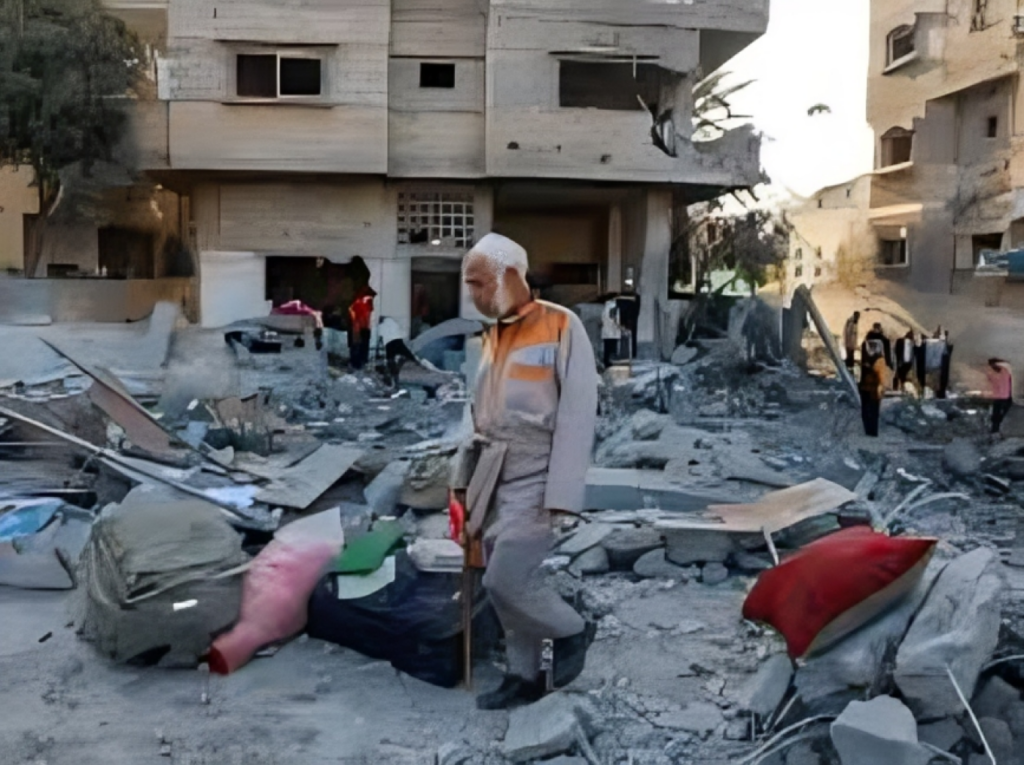
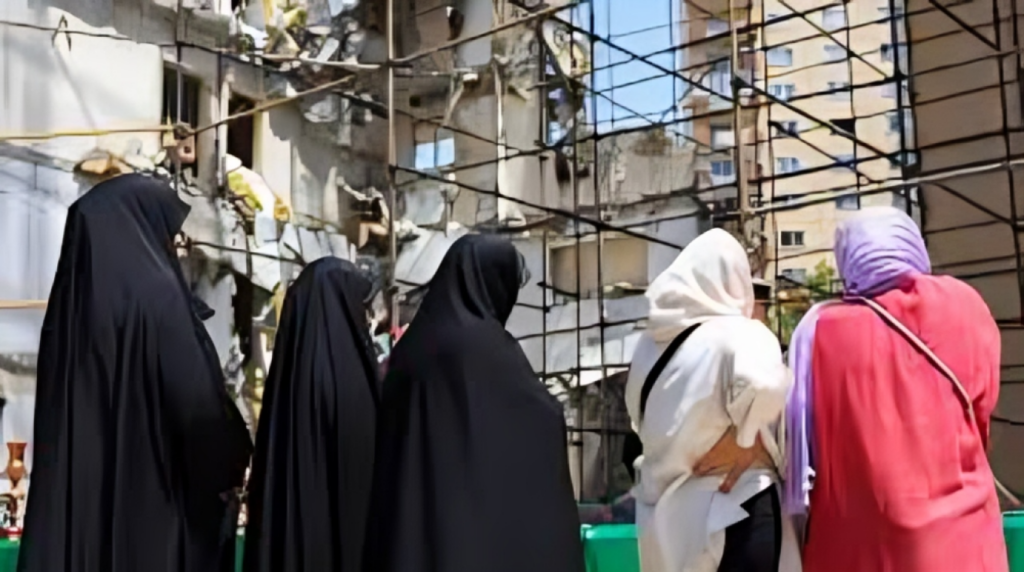
The Israeli offensive targeted Iran’s key nuclear facilities and military sites, resulting in the deaths of high-ranking commanders and nuclear scientists, as well as hundreds of civilian casualties. The strikes also caused extensive damage to residential areas.
This offensive triggered the fiercest fighting in history between the two countries, culminating in a ceasefire announced on 24th June. However, Israel has made it clear that it could resume hostilities if Iran attempts to rebuild its nuclear capabilities or engage in any actions deemed to pose a threat, such as pursuing the development of an atomic bomb—an ambition Iran has consistently denied.
On the other hand, Iran has vowed to retaliate harshly if it is attacked again, and the prospect of renewed nuclear diplomacy with the United States—who briefly joined the conflict with strikes on key Iranian nuclear sites—appears to be at a standstill. This standoff has further deepened the uncertainty surrounding the situation.
“I am scared the war will start again,” said Hamid, a 54-year-old government employee, who declined to provide his full name. “It will lead to the death of more innocent people and the destruction of the country’s infrastructure.”
Devastating Impact of the Israeli Offensive
During the war, Israel targeted major Iranian cities, including the capital, Tehran. Military sites, government buildings, and even the state television headquarters were struck. According to Iranian authorities, more than 1,000 people were killed during the conflict. In retaliation, Iranian missile and drone attacks claimed 29 lives in Israel.
Impact of the War on Iranian Cities:
Iranian Cities Targeted |
Key Sites Struck |
Casualties (Iran) |
Casualties (Israel) |
Tehran |
Military sites, government buildings, TV headquarters |
1,000+ |
29 |
Many residents fled Tehran to seek refuge in other parts of the country, although few regions remained untouched by the relentless airstrikes and smoke-filled skies. Nearly a month after the ceasefire, speculations about a series of recent fires across Iran—including one at a major oil facility—have further fueled fears of sabotage, although officials were quick to dismiss such claims.
Voices of Concern
“This war really frightened me,” said 78-year-old Golandam Babaei, a housewife from Kermanshah province in western Iran. Having lived through the Iran-Iraq war of the 1980s, a painful memory for many of her generation, she expressed her deep anxiety over the potential for history to repeat itself.
“I kept telling myself, please God, do not let the past repeat itself,” Babaei told AFP.
While the war with Israel, though much shorter in duration, was primarily fought with air strikes and missiles rather than ground forces, it revived grim memories of the devastating conflict with Iraq. That war, which began with the Iraqi invasion of Iran in 1980, claimed an estimated 500,000 lives on both sides and left scars in the young Islamic Republic, which had emerged from the 1979 revolution.
Since then, Iran had largely managed to keep conflicts away from its borders. Yet, the recent conflict with Israel has left many Iranians with a sense of vulnerability they have not felt in decades.
“I kept thinking I don’t want to flee again, we have nowhere to go. I cannot run to the mountains like in the past,” said Babaei.
Reflections of a War Veteran
For 62-year-old Ali Khanzadi, a veteran of the Iran-Iraq war, the recent conflict with Israel highlighted a stark contrast to the 1980s when Iran lacked advanced military equipment to defend itself against Iraq. Khanzadi, who was wounded in battle in 1983, believes that the war with Israel, despite being shorter, had a more disturbing aspect.
Unlike the past, modern military technology now allows for attacks that can target individuals remotely, without the need for direct confrontation. “They can kill a child in his sleep remotely using a drone,” he said.
National Unity and Future Uncertainty
In response to Israeli threats and attacks, Iranian authorities have repeatedly emphasised the need for national unity. Supreme Leader Ayatollah Ali Khamenei has stated that the Israeli offensive aimed to undermine the Islamic Republic’s clerical system. He has urged Iranian diplomats and military officials to proceed with caution as the country cautiously navigates its next steps.
While Tehran has expressed its openness to resume nuclear diplomacy with the United States—a dialogue that was effectively derailed by the war—officials have demanded unspecified guarantees from Washington before re-engaging in talks.
Ordinary Iranians share the same apprehension, fearing that the war could flare up again.
“I hope that this will not happen,” said Hamid.
Babaei, in her 78 years of life, summed up the prevailing sentiment among many Iranians: “I am praying for peace, for us to remain safe in our homes.”
The Way Forward: A Fragile Ceasefire
As tensions continue to simmer, the situation remains precarious. While the ceasefire has held thus far, the threat of further conflict looms large over the Iranian population. The memories of past wars, combined with the uncertainty of the future, have left many in the country in a state of unease.
For now, Iranians cling to the hope that peace will prevail, even as they face the haunting reality of a conflict that could erupt once again.