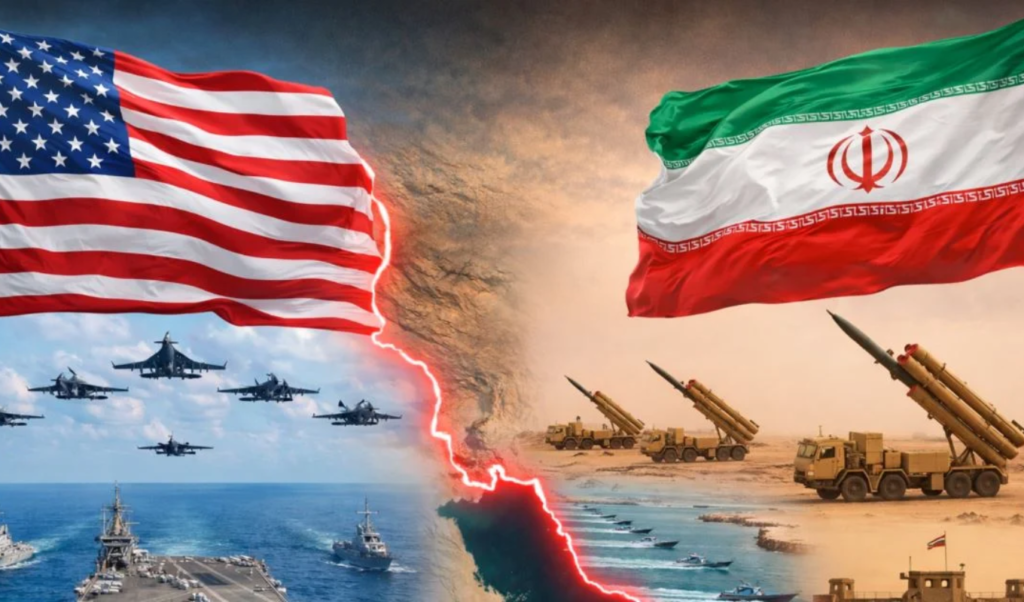
The United States is preparing to transition into an intensified phase of its ongoing military conflict with Iran, with American leaders calling on international allies to bolster collective operational efforts. United States House Speaker Mike Johnson outlined the strategic trajectory during an interview with Fox News on Sunday, indicating that Washington expects partner nations to join maritime and security operations to bring the protracted hostilities to a decisive close.
Speaking on the shifting posture of the campaign, Johnson asserted that allied support would prove vital as operations expand. He argued that diplomatic avenues had exhausted their utility, contending that Iranian negotiators could not be trusted in conventional peace talks. The House Speaker also credited former President Donald Trump with successfully obstructing Tehran’s pathways to developing nuclear weapons capability, describing the containment of Iran’s nuclear ambitions as a vital national security objective that had challenged successive administrations.
The strategic shift has manifested most visibly across strategic sea lanes, where American naval assets have maintained a tightening maritime blockade around Iranian ports since mid-July. According to operational figures, US naval forces have intercepted and altered the courses of at least 70 commercial vessels attempting to navigate restricted corridors, rising from 68 intercepted vessels just two days prior. Naval personnel have also boarded and searched two ships, whilst disabling three vessels deemed non-compliant with the maritime enforcement measures.
To sustain the maritime cordon, the Pentagon has deployed an armada of over 20 warships across the Persian Gulf and surrounding waterways. The fleet includes Arleigh Burke-class guided-missile destroyers, notably USS John Finn and USS Ross, which are maintaining continuous patrols to enforce embargo parameters and deter asymmetric naval provocations.
The heightened military posture has been accompanied by increasingly assertive political rhetoric in Washington. Former President Donald Trump posted a controversial map on Truth Social that designated the vital Strait of Hormuz—the narrow chokepoint handling substantial portions of global petroleum shipments—as “new US territory”. The social media post followed remarks delivered at a public campaign rally a day earlier, where Trump similarly referred to the strategic waterway as American territory. The escalating maritime interdictions and uncompromising political statements reflect a sharp deterioration in regional security, pointing towards widened operational engagements across the Middle East.