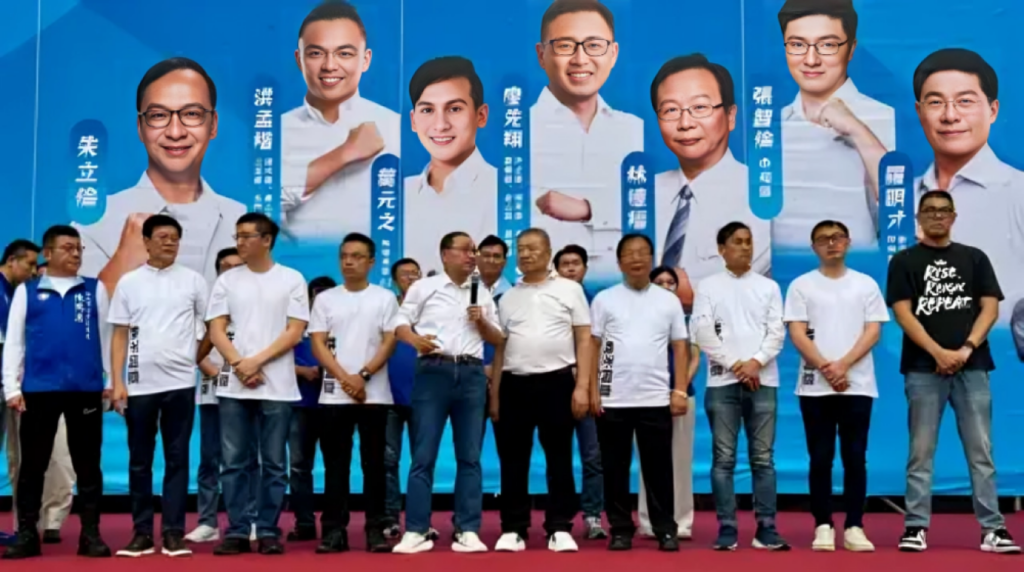
An unprecedented recall vote has taken place in Taiwan today (Saturday) as citizens from 24 districts cast ballots on whether to remove lawmakers accused of being pro-China. This landmark initiative emerged in response to mounting public discontent and has the potential to significantly reshape the island’s political balance.
Background: The “Great Recall” Movement
The initiative, known as the “Dama Mian” or “Great Recall” movement, was launched by ordinary citizens who believe certain lawmakers are working in favour of Beijing’s interests. The movement follows increasing frustration over the political deadlock between Taiwan’s ruling Democratic Progressive Party (DPP) and the opposition.
| Key Details | Description |
| Name of Initiative | Dama Mian (Great Recall) |
| Origin | Citizen-led movement |
| Objective | Recall of pro-China lawmakers, especially from the KMT |
| Number of Lawmakers Targeted | Initially 31 from KMT; later some DPP lawmakers also targeted |
| Districts Involved | 24 |
| Voting Requirement | At least 25% voter turnout; over 50% of votes must favour removal |
| Next Step if Passed | By-elections within 3 months |
Political Context
Although the DPP’s William Lai won the presidential election in January 2024, the Kuomintang (KMT) and its allies secured a majority in the legislature. This has led to a stalemate between the executive and legislative branches, with the opposition blocking several key bills and pushing through controversial legislation.
The situation escalated in May 2024 when the “Bluebird Movement” erupted in Taipei. Protesters accused the KMT of covertly advancing Beijing’s agenda within the legislature. While the KMT denies any allegiance to China, suspicions grew following a group of its lawmakers visiting China and receiving a warm welcome from Wang Huning, a top Chinese Communist Party leader.
Escalation and Mutual Accusations
Initially focused on KMT legislators, the recall efforts have since expanded, with KMT supporters initiating petitions against DPP lawmakers as well. This tit-for-tat action underscores the deepening political polarisation.
Political Party Positions
- DPP: Initially distanced itself from the movement, but later endorsed it. President Lai urged party members to support the movement and “defend the nation”.
- KMT: Denounced the initiative as an attempt by the DPP to overturn election results through undemocratic means. They have urged voters to reject the recalls by casting ‘No’ votes.
What’s at Stake?
The outcome of this recall initiative depends heavily on voter turnout and public sentiment. If the required threshold is met and seats are vacated, by-elections will be held within three months, potentially altering the balance of power in the legislature.
Looking Ahead
A second phase of recall voting is expected in August, targeting additional constituencies. Whether the “Great Recall” becomes a turning point in Taiwanese politics or simply a passing episode will depend on the level of civic engagement and the electoral outcomes in the coming months.