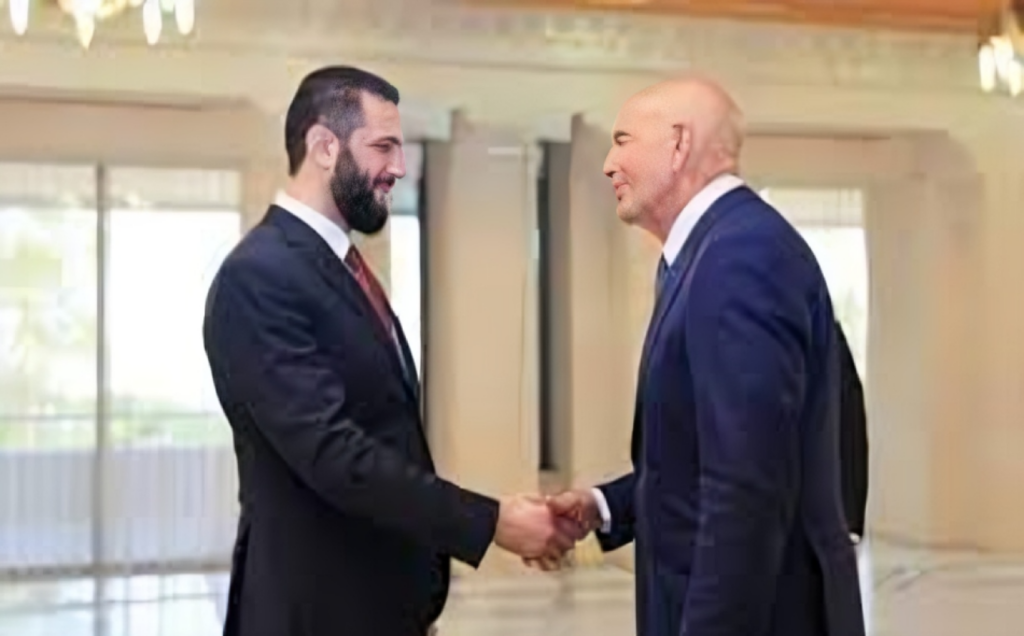
A Syrian diplomatic source revealed on Saturday that a US-mediated meeting between Syrian and Israeli officials held in Paris earlier this week was intended to “contain the escalation” following a recent outbreak of sectarian violence in southern Syria which prompted Israeli intervention.
Israel carried out airstrikes this month in both Damascus and the Druze-majority Sweida province, citing the need to protect the religious minority and to enforce demands for a demilitarised southern Syria.
Paris Meeting: Key Players and Discussions
According to a statement broadcast on Syrian state television, the Paris meeting brought together representatives from Syria’s foreign ministry and general intelligence service with Israeli officials. Discussions reportedly focused on:
- Recent security developments in southern Syria
- Measures to contain the military escalation
- Possibility of reactivating the 1974 disengagement agreement, with international guarantees
- A demand for immediate Israeli withdrawal from newly advanced positions in Syria
Diplomatic Engagement Timeline:
| Date | Event |
| 12 July | Syrian and Israeli officials met in Baku, coinciding with Syrian President Ahmed al-Sharaa’s visit to Azerbaijan |
| Early December | Escalation begins, following the overthrow of President Bashar al-Assad |
| Mid-July | Israel launches strikes in Damascus and Sweida |
| This Week | US-mediated talks held in Paris, attended by US envoy Tom Barrack, Syrian FM Asaad al-Shaibani, and Israeli Minister Ron Dermer (as reported by AFP) |
While no final agreements were reached, the Paris talks were described as initial consultations aimed at reopening communication and de-escalating tensions. Further meetings are expected.
Syrian Position: Sovereignty and Unity
The Syrian delegation made clear that national sovereignty and territorial unity were non-negotiable, particularly regarding the province of Sweida.
“Sweida and its people are an integral part of the Syrian state,” the delegation reportedly stated.
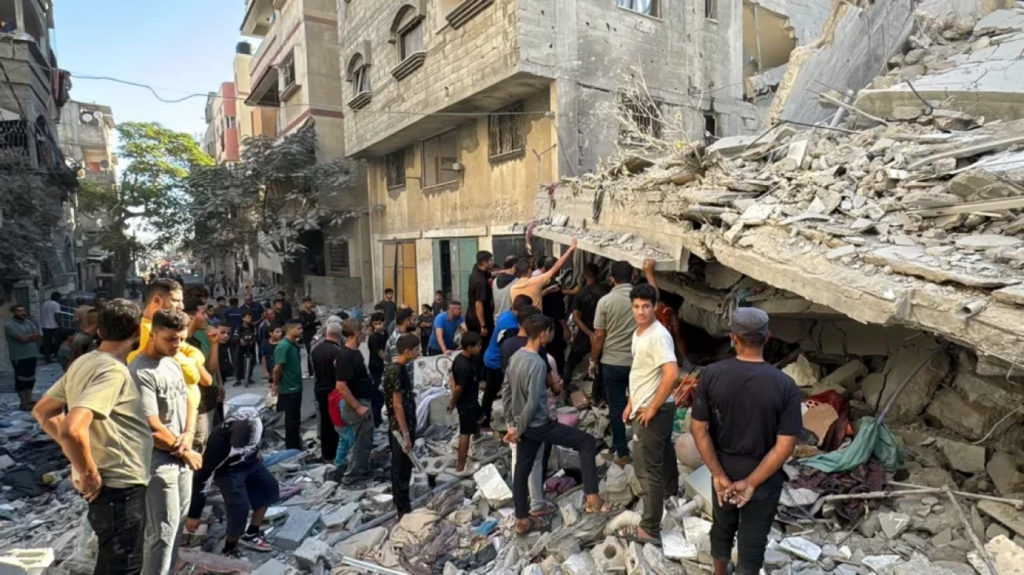
Sweida Violence: Heavy Toll and Sectarian Strife
The violence in Sweida began on 13 July and quickly spiralled into sectarian clashes involving Druze fighters and Sunni Bedouin tribes. Government forces were reported to have sided with the latter.
Reported Death Toll (Syrian Observatory for Human Rights):
| Group | Total Killed | Civilians | Fighters | Summary Executions |
| Druze | 928 | 395 | 533 | 250 (by Syrian defence & interior forces) |
| Government security personnel | 428 | N/A | N/A | N/A |
| Sunni Bedouin | 43 | 3 | 40 | 3 (executed by Druze fighters) |
| Israeli strikes (govt personnel) | 15 | N/A | N/A | N/A |
| Total Confirmed Dead | 1,414+ | — | — | — |
According to the Syrian Observatory, the majority of casualties occurred during the week following 13 July, before a ceasefire was reached last weekend.
International Response and French Mediation
French President Emmanuel Macron addressed the issue on X (formerly Twitter), revealing that he had spoken with President Ahmed al-Sharaa and described the Sweida ceasefire as a positive sign.
“The recent violence in Syria is a reminder of the extreme fragility of the country’s transition,” Macron said.
“Civilian populations must be protected… calm dialogue is needed to achieve a unified Syria that respects the rights of all its citizens.”
Background: Golan Heights and Israeli Involvement
The Golan Heights, a strategic plateau, has remained under Israeli occupation since 1967, and Syria and Israel have technically been at war since 1948.
Following the December ousting of Syrian President Bashar al-Assad, Israel expanded military operations into southern Syria to prevent military infrastructure from falling into the hands of the new Islamist-led administration.
Israel has since made demands for a complete demilitarisation of southern Syria and increased its military footprint beyond the former UN-patrolled buffer zones.
Ongoing Dialogue Amid Fragile Peace
Despite the absence of formal agreements, diplomatic sources emphasise that the resumption of dialogue marks a significant diplomatic shift. Both sides are expected to engage in further talks aimed at reducing hostilities and re-establishing security frameworks, including the 1974 disengagement agreement.
The Syrian-Israeli engagement, though fraught with historical enmity and ongoing conflict, is seen by international observers as a potential starting point for wider regional de-escalation.