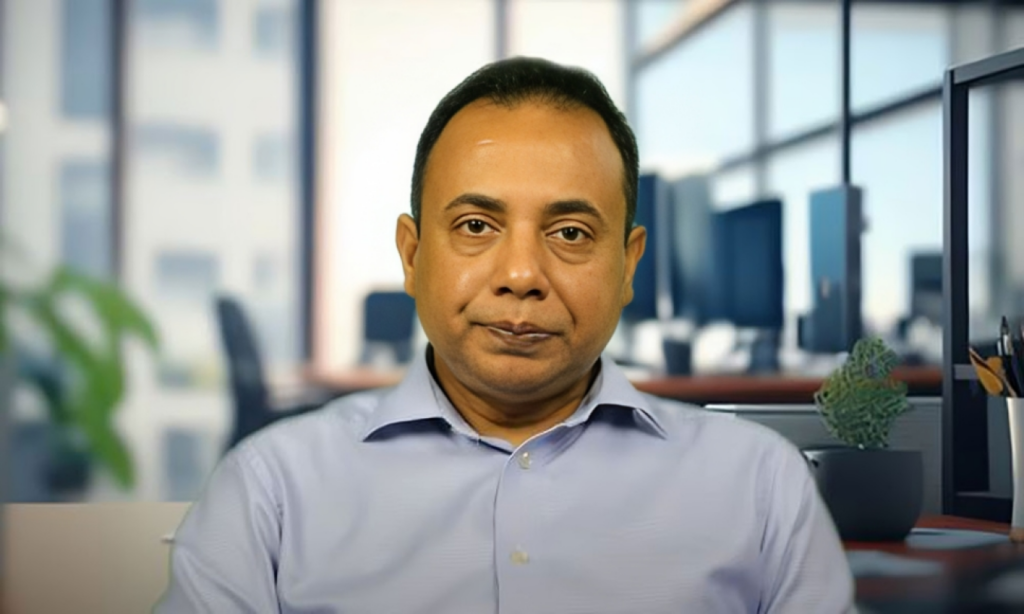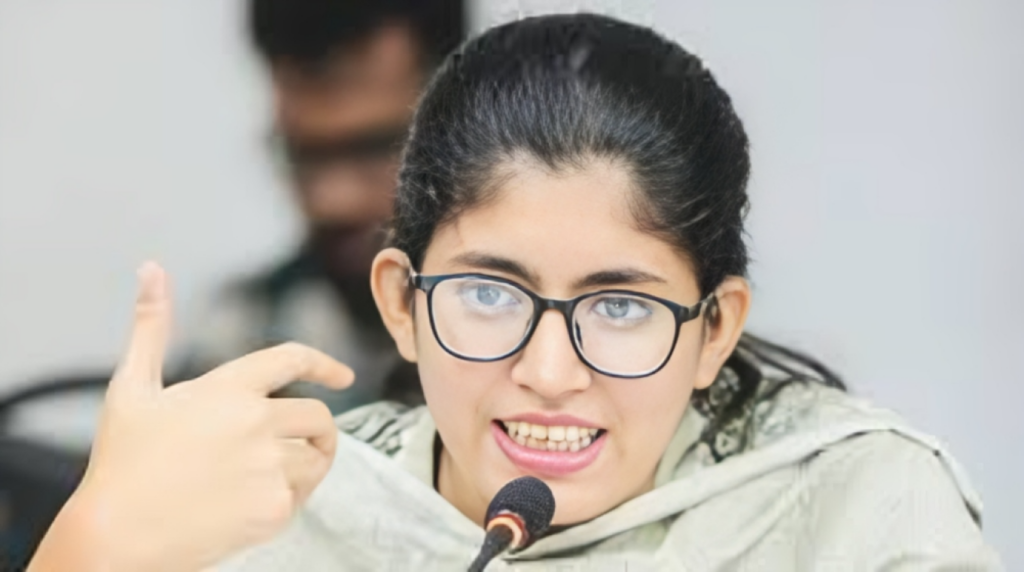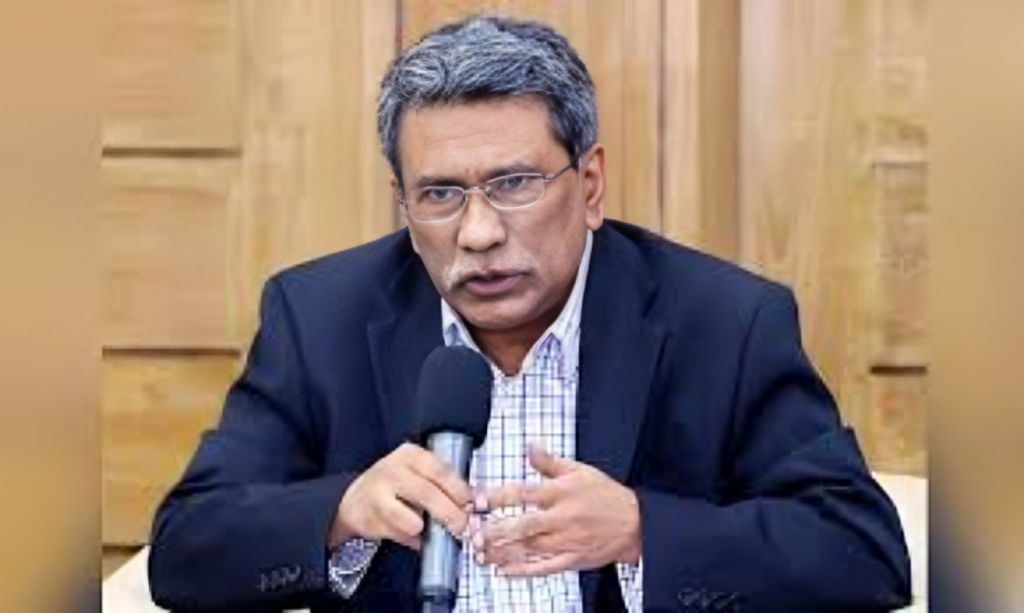
Professor Ali Riaz, Vice-Chairman of the National Consensus Commission, has announced that the preliminary draft of the National Charter will be sent to political parties by Monday. He expressed optimism that parties will contribute their views, which will be incorporated into the document.
Riaz made the remarks during the opening speech on Day 19 of the second phase of dialogue with political parties, held on Sunday (27 July) at the Foreign Service Academy in Dhaka.
Structure and Purpose of the Draft Charter
Professor Riaz clarified that the draft itself will not be open for discussion during the ongoing dialogue, unless serious, fundamental objections are raised.
“If any major fundamental objection arises, it will be brought into discussion. Otherwise, it won’t,” he stated.
“If your side submits feedback, it will be incorporated into the preliminary draft. The charter will include a contextual preamble and a section outlining mutual commitments.”
He further noted that a specific day will be scheduled within the dialogue process to formally sign the National Charter.
Timeline and Progress of the Dialogue
The dialogue is scheduled to conclude by 31 July. Professor Riaz provided a summary of the progress so far:
| Dialogue Progress Overview | Status |
| Total days of second-phase dialogue | 19 days (ongoing) |
| Parties reached consensus on | 10 issues |
| Issues still pending resolution | 7 issues |
| Topics not yet discussed | 3 topics |
| Draft Charter circulation deadline | 29 July (Monday) |
| Planned dialogue conclusion | 31 July |
This stage of the political reconciliation process aims to lay the foundation for broader national unity, with a structured and inclusive approach. The initiative reflects a continued effort to engage all political actors and establish a shared framework for democratic governance and institutional reform.