A crippling combination of power cuts and unbudgeted generator fuel has left medical services severely compromised at the Raipur Upazila Health Complex in Lakshmipur district. Whilst the government facility possesses operational diagnostic units and a functional diesel generator, local authorities lack the financial allocations required to buy fuel, forcing doctors to halt essential procedures during prolonged blackouts.
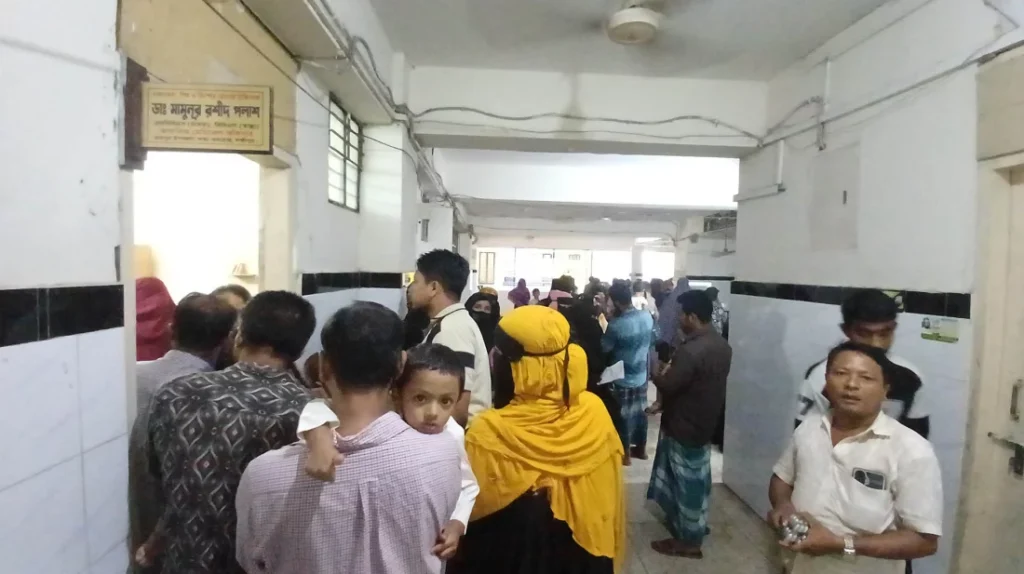
By mid-morning on Tuesday, queues stretched through the sweltering corridors as patients waited in vain for critical care. Diagnostic services, including X-ray imaging and pathology tests, ground to a complete halt when electricity failed. Families who had travelled significant distances were ultimately forced to return home untreated or seek expensive alternatives at private clinics. Parul Begum, a visitor from Kanchanpur village, spent over an hour waiting alongside her six-year-old child for a doctor-recommended X-ray, only to find the imaging department completely closed due to the lack of mains supply.
The disruption poses severe risks to vulnerable inpatients. Of the 86 patients currently admitted to the 50-bed facility, 20 are young children suffering from severe pneumonia. The absence of electricity prevents staff from administering continuous nebuliser therapy to alleviate acute respiratory distress. Cold-chain storage for essential vaccines has also come under threat, causing widespread anxiety among mothers waiting hours in stifling heat to immunise their children.
The health complex relies on a back-up generator gifted by a private donor; however, hospital staff confirmed off the record that a total absence of allocated funds for diesel leaves the machine completely idle. An emergency department Uninterruptible Power Supply (UPS) routinely fails during extended power cuts, which have occurred up to eight times a day over the past three months. Furthermore, an advanced operating theatre has sat largely unused for three years due to critical shortages of both surgical staff and fuel, while heavy medical machinery valued at millions of taka under health protection schemes remains in total disrepair.
Formally upgraded from 31 to 50 beds in September 2006, the complex serves a local population of nearly 400,000 people. Addressing the ongoing crisis, Shafiul Alam, General Manager of the Lakshmipur Rural Electricity Association, explained that the regional grid receives 30 to 35 per cent less power than daily demand requires. Meanwhile, Dr Mamunur Rashid, the complex’s Residential Medical Officer, assured that medical staff are doing their best to treat patients despite the severe logistical constraints.