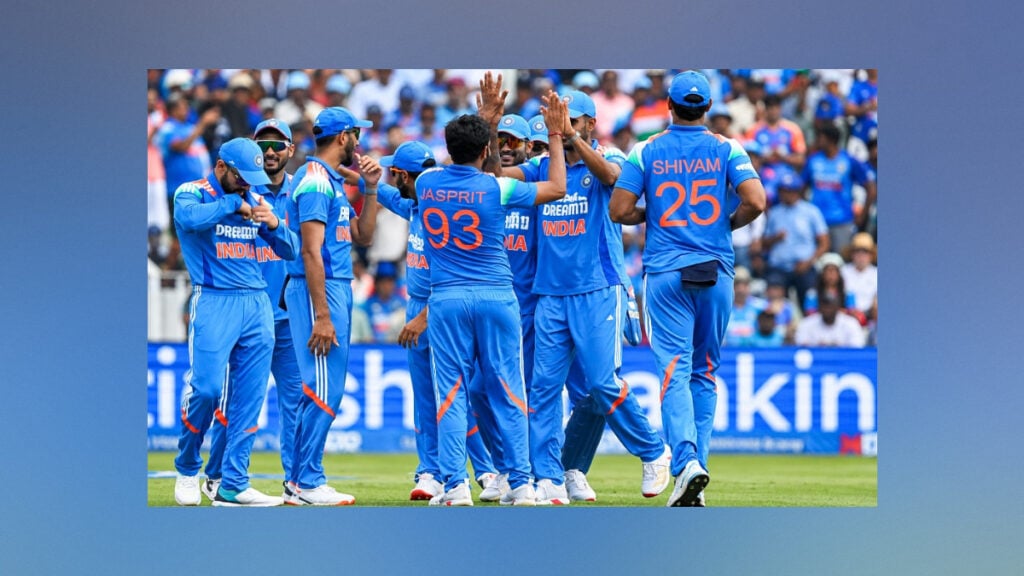
The Board of Control for Cricket in India (BCCI) has been seeking five-star accommodation for prominent players Jasprit Bumrah and Vaibhav Suryavanshi during the Asian Games in Japan. However, the Indian Olympic Association (IOA) has declined to make a special arrangement for the cricketers, insisting that they should follow the same accommodation policy as athletes from other sports.
According to a report in The Times of India, accommodation has already been arranged for the Indian cricket teams participating in the Asian Games in Aichi-Nagoya, Japan. The men’s team has been allocated a three-star hotel, while the women’s team will stay in a four-star property. Room-sharing arrangements have also been made for both squads.
The BCCI, however, is understood to have reservations about the accommodation provided under the organisers’ existing arrangements. The board is therefore considering whether to accept the allocated facilities or make separate arrangements for its players.
The matter has also highlighted the different responsibilities of the national cricket board and the country’s Olympic administration during a multi-sport event. While cricket enjoys a significant profile in India, the Asian Games bring together athletes from a wide range of disciplines, with accommodation and logistical facilities generally organised under a common framework.
Raghuram Iyer, chief executive officer of the IOA, said the organisation would not provide separate or preferential arrangements for the cricket contingent. According to him, the IOA applies the same approach to athletes, coaches and other members of the entire Indian delegation, regardless of their sport.
The IOA has nevertheless left the BCCI with an alternative. If the cricket board wants its players to stay in a five-star hotel, it can arrange the accommodation at its own expense.
That responsibility would extend beyond hotel bills. The BCCI would also have to take care of food, local transportation and ensuring that the players reach the venue on time for matches and other scheduled commitments.
The arrangement gives the cricket board considerable freedom over how it manages its players, but it also means accepting the full financial and logistical burden of choosing accommodation outside the official arrangement.
To assess the available facilities, a BCCI delegation is expected to visit Japan and inspect the designated hotels and other arrangements. The board will then determine whether the existing accommodation is suitable or whether it should organise separate facilities for the team.
For the IOA, the issue is essentially one of maintaining a uniform policy across the Indian delegation. For the BCCI, the decision will involve weighing its accommodation preferences against the additional costs and responsibilities that would come with arranging a separate five-star stay.
The final decision is therefore likely to follow the BCCI delegation’s assessment in Japan. If the board is satisfied with the arrangements provided by the organisers, the teams could remain within the official accommodation system. If not, the BCCI will have the option of making its own arrangements and covering the associated expenses.