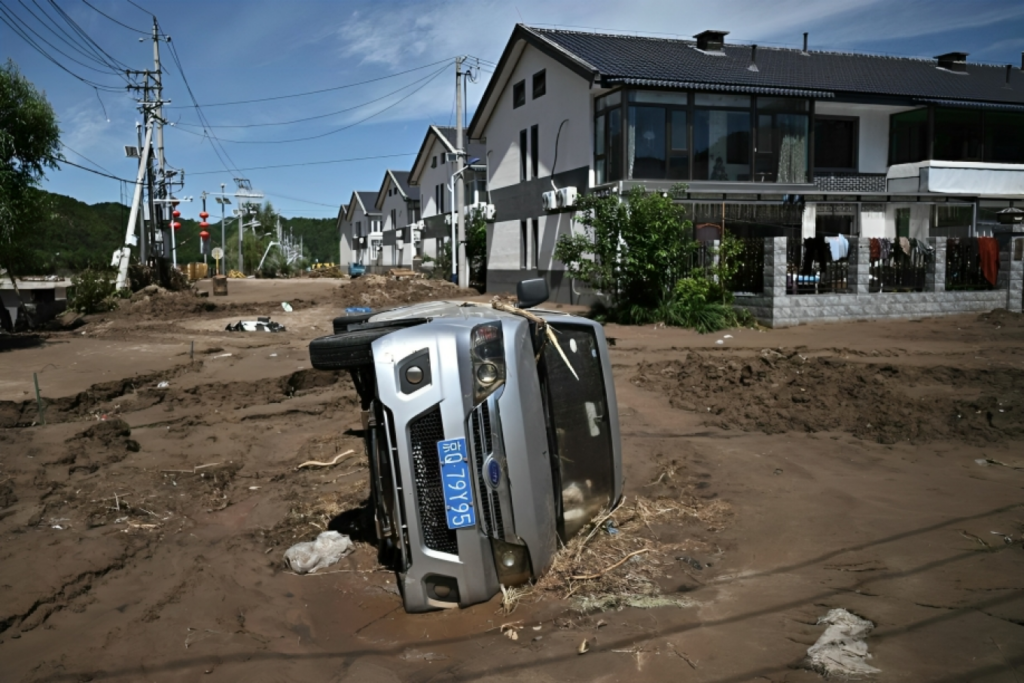
Beijing municipal authorities have admitted to significant gaps in emergency preparedness following catastrophic rainfall that inundated large areas of the Chinese capital, resulting in 44 deaths and 9 individuals still missing. The devastating floods have triggered widespread public mourning and urgent calls for improved infrastructure and climate resilience.
Summary of Key Impacts
| Aspect | Details |
| Location Affected | Beijing and surrounding northern regions |
| Time Period | 23 to 29 July |
| Event | Extreme rainfall and flooding |
| Confirmed Deaths | 44 (including 31 at a care centre in Taishitun) |
| Missing Persons | 9 (including local officials involved in rescue efforts) |
| Damage | Submerged homes, collapsed roads, widespread power outages |
| Road Closures | Dozens of major and local roads blocked |
| Readiness Lapses | Inadequate forecasting, infrastructure weaknesses, poor mitigation planning |
Official Statements: Acknowledgement and Reflection
During a Thursday press conference, senior Beijing official Xia Linmao admitted that the city’s disaster prevention and mitigation systems had fallen short of what was necessary to confront the recent rainfall.
“Between 23 and 29 July, Beijing suffered extreme rainfall, causing significant casualties and losses,” said Xia.
“Our ability to forecast and warn of extreme weather is insufficient, and disaster prevention plans were incomplete. There are still shortcomings in the construction of infrastructure in mountainous areas.”
He expressed deep condolences on behalf of the Beijing municipal party committee and government, mourning those lost and pledging reforms.
Deaths at Care Facility
Of the 44 confirmed fatalities, 31 occurred at an elderly care centre in the town of Taishitun, located in the northeast of Beijing—highlighting vulnerabilities in the care sector during extreme weather emergencies.
Local Leadership Reactions
Yu Weiguo, Communist Party secretary for Miyun district, one of the worst-affected areas, also conceded there had been grave oversights:
“Our knowledge of extreme weather was lacking. This tragic lesson has warned us that putting the people first, putting human life first, is more than just a slogan.”
He added that following this “painful experience”, the district must remain constantly vigilant regarding public safety and disaster preparedness.
Voices from the Ground
The scale of destruction stunned many local residents. Roads have crumbled, homes have been swallowed by floods, and entire villages have lost access to electricity.
Eyewitness Account
“I’ve never seen this before in all my 40 years of life. Neither have those who’ve lived 80 or 90 years,”
said Hu Yuefang, a villager in the Huairou district of northern Beijing.
These personal accounts underscore the intensity and rarity of the rainfall event, which caught many communities by surprise.
Climate Context: A Broader Challenge for China
China frequently grapples with natural disasters, especially in summer, when intense rain in some regions coincides with scorching heatwaves in others.
Although China is the world’s largest emitter of greenhouse gases, contributing to global climate change that fuels such extreme weather, it is also investing heavily in renewable energy. The country has committed to making its massive economy carbon-neutral by 2060.