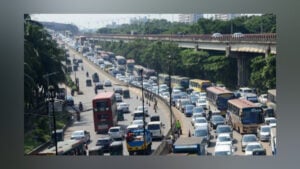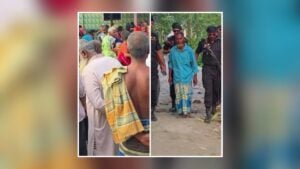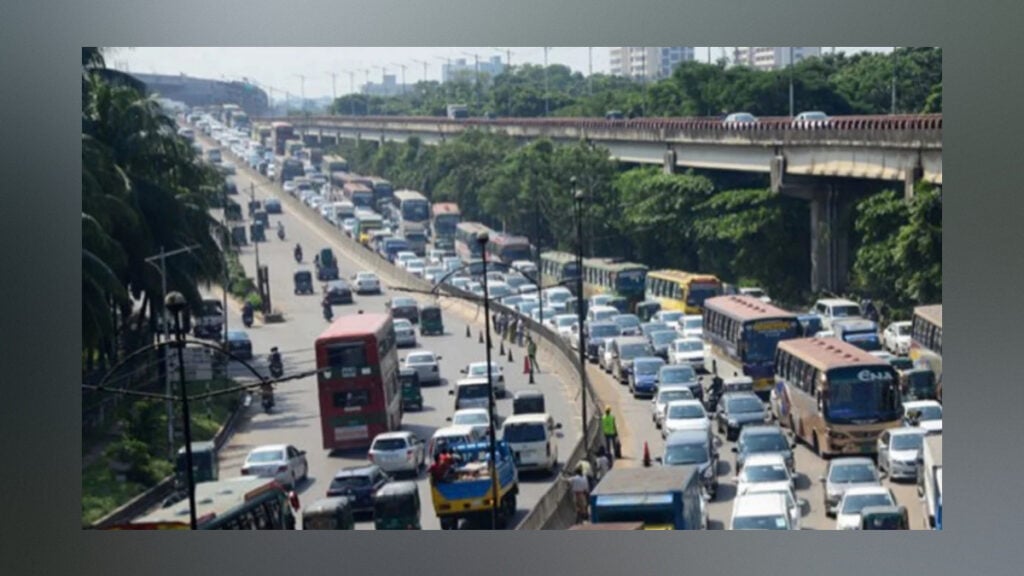
Hundreds of garment workers blocked a road in Azampur, Uttara, in the Bangladeshi capital, Dhaka, on Monday, 12 October, demanding higher wages. The demonstration began at around 11 am, when workers from several factories gathered on the road to press for an increase in their pay. The protest halted traffic on one side of the road and triggered congestion in surrounding areas, causing inconvenience for commuters and pedestrians.
According to police, the demonstrators were workers from several garment factories in the South Khan area. They assembled in Azampur and began protesting by occupying part of the road. Their presence disrupted the normal flow of vehicles through the busy area, with the effects extending to nearby roads.
The road blockade affected an important part of Uttara, where workers, office employees, public transport passengers and other commuters travel daily. Restrictions on traffic along even one side of a busy road can slow the movement of vehicles and create delays for people travelling to work or other destinations. However, the precise extent of the congestion and the length of the disruption were not immediately known.
KHM Ershad, additional deputy commissioner for the South Khan area, confirmed the protest. He said workers from various garment factories in South Khan had gathered on the road at around 11 am to demonstrate over their demand for higher wages.
Police personnel were deployed at the scene and in nearby areas to maintain order and manage the situation. No further details were immediately available regarding the specific factories involved, the amount of the proposed wage increase or the workers’ reasons for seeking higher pay.
There was also no confirmed information on whether factory management had opened discussions with the workers or whether any negotiations had taken place to resolve the dispute. The authorities had not provided a clear timeline for the withdrawal of the blockade or the full restoration of normal traffic.
Bangladesh’s ready-made garment industry is a major contributor to the country’s export earnings and employs a large workforce. Wages and working conditions remain important issues for employees in the sector, particularly as workers balance their earnings against the cost of essential expenses such as food, housing and transport. Disagreements over pay can lead to demonstrations, sometimes affecting both factory operations and movement on nearby roads.
In industrial and commercial areas such as Uttara, road blockades can have consequences beyond the immediate protest site. Commuters may face longer journeys, while public transport services can experience delays when traffic is restricted. The scale of the disruption, however, depends on how long the roads remain obstructed and whether alternative routes are available.
For now, the workers’ wage demands remain the central issue behind the Azampur demonstration. Further information is awaited on the response from the relevant factory authorities, the prospects for negotiations and the steps being taken to restore normal traffic.

/ Oct 12, 2026
Breaking News :