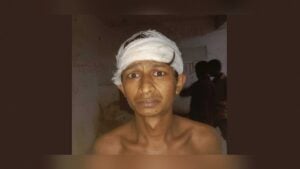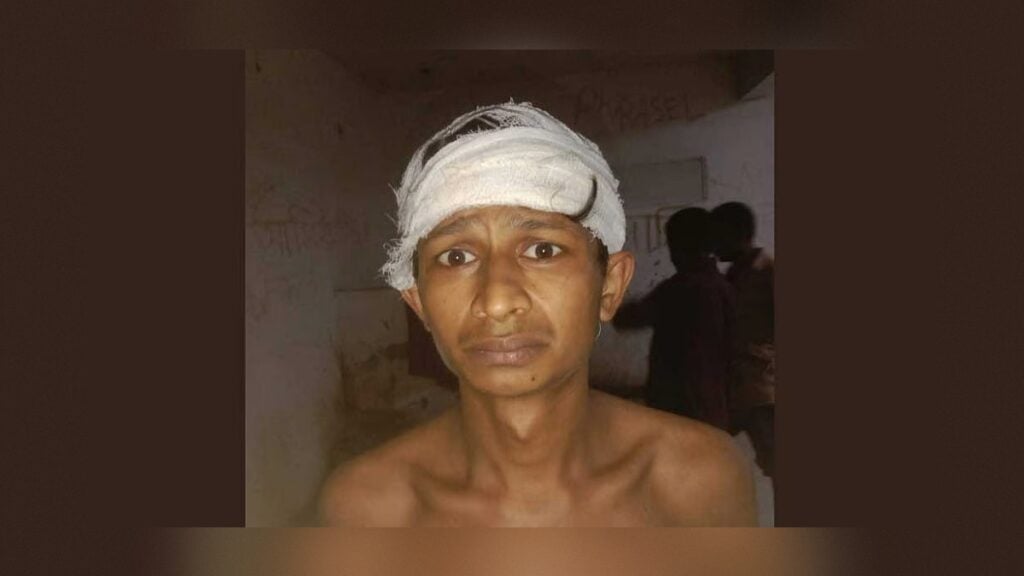
A 30-year-old man was injured during an alleged anti-drug operation by a local civic organisation near Geneva Camp in Mohammadpur, Dhaka, on Sunday night. Arif Hossain sustained a head injury that required four stitches during the incident, which reportedly took place on a pavement beside Mohammadpur Residential Model College at around 11pm.
The incident has raised questions about who organised the operation, whether police were present and the extent to which civilian groups can conduct such activities.
According to an internal police report, people from the office of local MP Bobby Hajjaj conducted an anti-drug operation in the Geneva Camp area on Sunday night. During the operation, Arif was allegedly struck on the head while suspected of using drugs, leaving him bleeding.
He was subsequently handed over to police near the college gate and taken to Shaheed Suhrawardy Medical College Hospital for emergency treatment. After receiving medical care, he was taken to the police station. The report said legal proceedings against him were under way.
However, accounts from officials differed over the circumstances surrounding the operation and the police’s role.
A responsible officer at Mohammadpur Police Station initially told bdnews24.com that the condition of the road beside Mohammadpur Residential Model College was particularly poor. He said a joint operation had been conducted by members of the local civic community and other groups to address the situation.
According to the officer, Arif had been smoking cannabis at the time and was injured during a scuffle. He also indicated that police were present at the scene.
The officer later telephoned the news outlet and requested that his earlier comments not be attributed to him. He then said police had not arrested Arif; rather, members of the public had detained him and handed him over to the authorities.
The officer added that Arif had been sent for a drug test to establish whether he had consumed narcotics. The test result was not provided in the available account.
When contacted about the incident, Intishar Mashuk Pradhan, a personal official of MP Bobby Hajjaj, denied that the operation had been conducted on the lawmaker’s behalf.
He said a civic organisation operated in the area and occasionally carried out similar campaigns. However, he insisted that Hajjaj had not authorised or organised the operation in question.
The conflicting accounts have left questions about the identity of those involved, the circumstances in which Arif sustained his injuries and whether police were present throughout the incident. The available information does not establish who inflicted the injury or clarify the precise sequence of events.
The incident comes amid controversy over anti-drug operations involving political figures in the capital.
On Saturday, Ishraq Hossain, a member of parliament for Dhaka-6 and then state minister for liberation war affairs, conducted an anti-drug operation in Gandaria while carrying a firearm. The operation prompted widespread controversy, and on Monday he announced that he would step down from his ministerial position.
The two incidents have renewed debate over the methods used in anti-drug campaigns, the role of law enforcement agencies and the accountability of individuals or groups conducting such operations.
Although tackling drug-related activity remains a public concern, questions of lawful authority, the use of force and the protection of individuals’ rights remain central to any such initiative. Establishing what happened in Mohammadpur will require the conflicting accounts to be examined and the responsibilities of those involved to be clarified.