Formal judicial proceedings have commenced against former Prime Minister Sheikh Hasina at the International Crimes Tribunal-1 in relation to alleged crimes against humanity committed during the July Movement. The trial began on Sunday with opening statements and the recording of witness testimonies.
Case Summary
| Aspect | Details |
| Accused | Sheikh Hasina (former Prime Minister), along with other political figures |
| Tribunal | International Crimes Tribunal-1 |
| Date Proceedings Began | Sunday (specific date not stated) |
| Nature of Charges | Crimes against humanity during July–August events |
| Number of Charges Filed | Over 500 documented allegations |
| Number of Cases Filed | Four cases formally filed involving Sheikh Hasina and others |
| Investigation Status | Final stage for six other cases, including Obaidul Quader and 17 AL leaders |
| Key Witnesses | Badruddin Umar, Mahmudur Rahman, Lt. Col. (Retd.) Hasinur Rahman, and others |
Witness List and Controversies
According to sources within the prosecution, notable individuals expected to testify include:
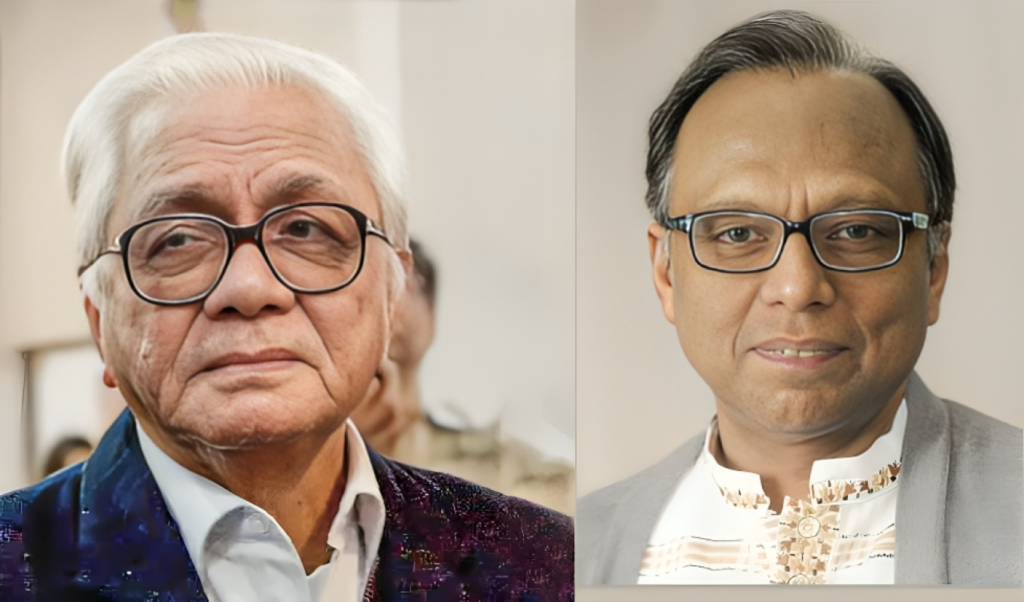
- Mahmudur Rahman – Editor of Amar Desh
- Badruddin Umar – Veteran researcher and political analyst
- Lt. Col. (Retd.) Hasinur Rahman
- Nahid Islam, Umama Fatema
- Family members of those killed or injured in the July Movement
However, serious questions have been raised about the credibility and neutrality of the witnesses, particularly regarding Badruddin Umar and Mahmudur Rahman.
Concerns Over Badruddin Umar’s Testimony
One of the most prominent witnesses, Badruddin Umar, is now 95 years old. Given his advanced age, analysts have questioned the admissibility and reliability of his testimony in a court of law.
Furthermore, Umar has been a controversial figure due to his past remarks on Bangladesh’s Liberation War and on Bangabandhu Sheikh Mujibur Rahman. His critical comments have led many to view him as a partisan voice, potentially undermining the objectivity of his testimony.
Mahmudur Rahman: A Figure of Disinformation?
Similarly, Mahmudur Rahman, editor of Amar Desh, has been widely accused of spreading misinformation and disinformation through his newspaper, particularly on sensitive political and religious issues.
- In 2013, Amar Desh published a report claiming that the Imam Council of Mecca had organised a human chain to protest the alleged persecution of Islamic scholars under the name of the tribunal.
- This report was later proven to be entirely fabricated.
- During the Shahbagh Movement for the trial of 1971 war criminals, Amar Desh led a campaign labelling the movement as “anti-Islamic”, which analysts say was a deliberate attempt to provoke religious sentiment.
- In 2008, during the caretaker government period, Mahmudur was reportedly involved in anti-state conspiracies, allegedly holding meetings in Uttara with senior bureaucrats.
These controversies have led to widespread doubt over his impartiality and intent in testifying.
Other Witness Irregularities
Witness Umama Fatema, once active in the July Movement, has reportedly distanced herself from its objectives. She is currently unaffiliated with any July Movement platform and has openly questioned the motives behind it, casting further doubt on the coherence and credibility of the prosecution’s witness list.
Public Reaction and Concerns
The inclusion of controversial, aged, and partisan witnesses in such a high-profile case has sparked widespread public and political debate. Many are questioning the fairness and credibility of the judicial proceedings and expressing concern over whether the trial can truly uphold the principles of justice and impartiality.
Observers note that these developments could have far-reaching implications not only for the verdict but also for public trust in the legal process.