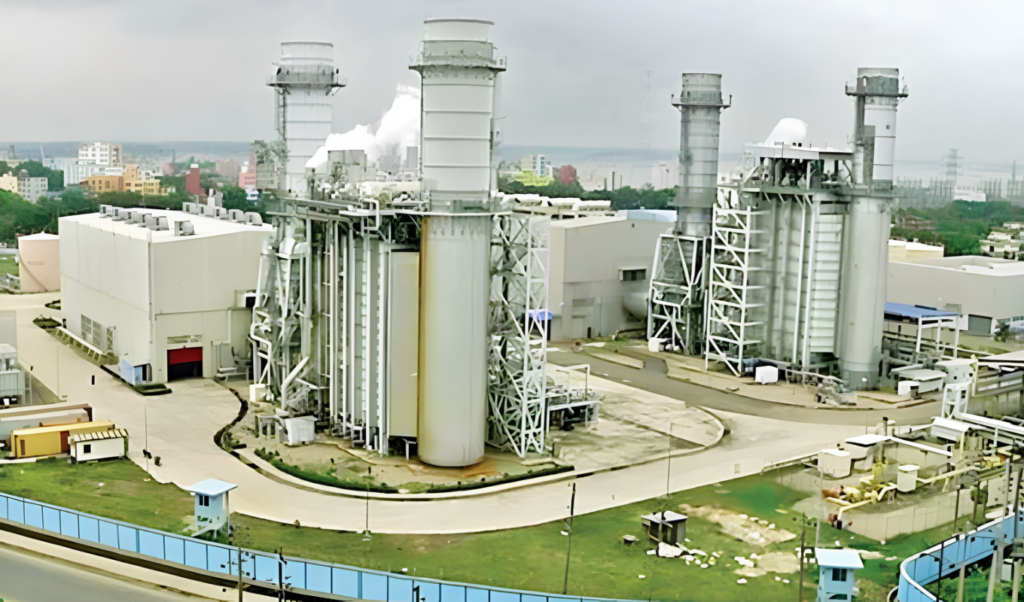
Urea production at Ashuganj Fertilizer and Chemical Company Limited (AFCCL) has been completely suspended for nearly 20 months due to an acute gas shortage. This prolonged disruption reflects a broader 15-year pattern where gas rationing has forced the state-owned facility to remain idle for more than half of every year.
The prolonged shutdown inflicts severe financial damage, causing a daily production loss of 1,100 tonnes of urea, which translates to a revenue hit of 50 million BDT each day. Fixed operating costs continue to mount while production remains suspended, driving production costs to unprecedented levels and depleting domestic reserves. To fulfill agricultural demand across the distribution network, the government relies heavily on imported fertilizer, exhausting valuable foreign currency reserves. Prolonged inactivity also risks damaging the plant’s delicate industrial machinery.
Established in 1981 and commissioned commercially in 1983, AFCCL initially boasted a maximum daily production capacity of 1,600 tonnes. Under normal gas pressure and supply conditions, the facility can produce between 1,100 and 1,150 tonnes of urea daily. However, since the 2010–11 financial year, the facility has routinely shut down for six to nine months annually under government gas-rationing policies. The current operational halt began in March last year.
Between March last year and 18 October, the 19.5-month closure resulted in a cumulative production deficit of 643,500 tonnes of urea. Valued at the official selling price of 48,000 BDT per tonne, this operational halt accounts for total losses exceeding 25 billion BDT.
The financial performance data across the last ten financial years highlights the escalating operational burden:
| Financial Year | Closure Duration (Days) | Production Cost per Tonne (BDT) | Net Annual Loss (Million BDT) |
| 2015–16 | 200 | 12,000+ | Profitable (0.00) |
| 2016–17 | 296 | 26,000+ | 379.2 |
| 2017–18 | 365 (Full year closed) | N/A | 1,407.0 |
| 2018–19 | 235 | 17,000 | 101.0 |
| 2019–20 | 212 | 20,000 | 625.0 |
| 2020–21 | 243 | 24,000 | 1,047.0 |
| 2021–22 | 284 | 33,000 | 1,597.0 |
| 2022–23 | 231 | 41,000 | 2,819.0 |
| 2023–24 | 323 | 71,000 | 1,864.0 |
| 2024–25 | 356 | 186,000 | 1,902.0 |
While the plant remained profitable until the 2015–16 financial year, cumulative net losses over the past decade have climbed past 11 billion BDT.
Engineers at the facility warn that extended shutdowns jeopardize industrial infrastructure. In previous instances, restarting the factory after lengthy closures triggered technical breakdowns, leading to substantial gas consumption before production could resume.
Trade union leaders have voiced deep frustration over the situation. Md. Abu Kawsar, General Secretary of the plant’s Collective Bargaining Agent (CBA), stated that artificial gas rationing is transforming a once-thriving national asset into a ailing industrial enterprise while wasting foreign exchange on imports. Senior Vice President Md. Akhtaruzzaman noted that workers are being deprived of standard benefits and overtime pay due to the halt.
In response to the crisis, Acting Managing Director Engineer Sheikh Md. Ali Ashraf confirmed that discussions are ongoing with senior officials at the Bangladesh Chemical Industries Corporation (BCIC) to restore gas supplies and resume manufacturing operations.