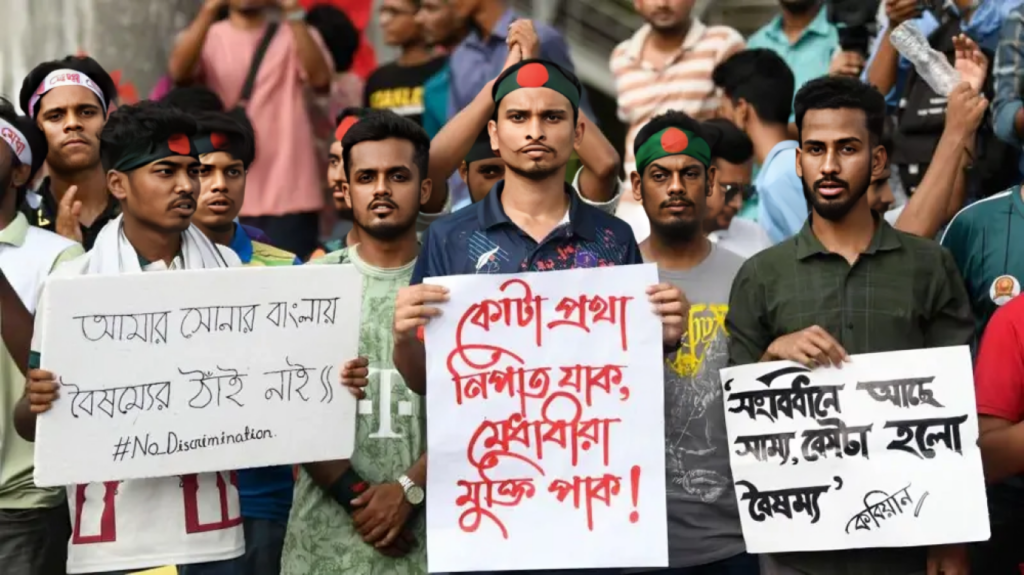
The slogan “In my golden Bengal, there is no place for discrimination” marked the beginning of the quota reform movement in July last year. What began as a student-led protest soon snowballed into a wider anti-government uprising, culminating in the fall of the Awami League’s 15-and-a-half-year rule on 5 August.
A new interim government, including student representatives, took oath soon after. As its first anniversary approaches, questions have begun to surface: Has there truly been systemic change, or has power simply changed hands, leaving deep-rooted problems intact?
Political Patronage, Corruption, and Abuse of Power Persist
Despite initial hopes, issues such as political interference, misuse of authority, corruption, and preferential treatment in government jobs and university admissions remain prevalent. In some cases, accusations have intensified.
Worryingly, individuals associated with the very movement that decried these injustices are now accused of turning July into a “money-making machine.”
This raises critical questions about the real impact of the revolution on the nation’s administrative and political structures.
Experts Say: “No Fundamental Change”
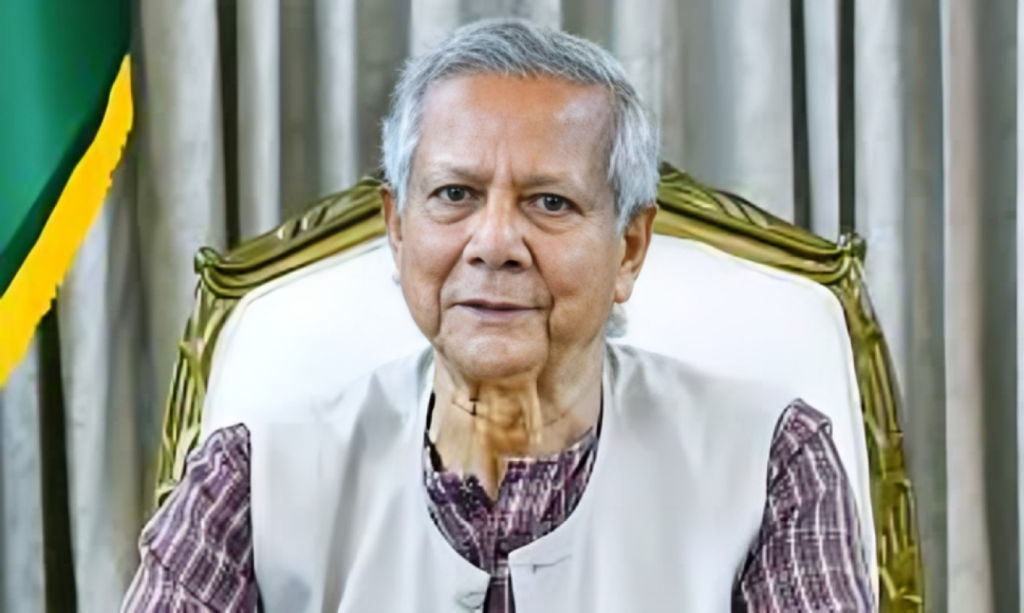
After the uprising, on 8 August, Professor Muhammad Yunus assumed office as Chief Advisor to the interim government. Just days later, he was seen stuck in traffic—without protocol privileges—a moment that went viral and drew praise as a symbol of change.
Yet, the optimism did not last.
Today, VIP convoys bypass ordinary citizens stuck in endless traffic, and protocol culture appears to have returned in full force.
Case Study: Public Services Unchanged
| Sector | Issue |
| Passport Services | Initial improvements have faded; delays and inefficiencies remain. |
| BRTA (Transport Authority) | Over 700,000 driving licences are stuck in backlog. |
| Airports & Civil Services | Little reform; ‘Yes Sir’ culture continues to dominate. |
The symbolic gesture of change has not translated into systemic reform. Viral images of students lined up to greet high-ranking officials during field visits, or allegations of verbal abuse by bureaucrats, continue to circulate on social media.
According to Professor Saeed Ferdous, Pro-Vice Chancellor of Bangladesh Open University:
“Even before authoritarian rule, party affiliation, nepotism, and corruption shaped our system. A mere change in government didn’t undo that overnight.”
Disconnect Between Government and Political Reality
Professor Ferdous believes the interim government has shown signs of inefficiency and failed to establish relationships with political parties, weakening its control.
Political analyst Mohiuddin Ahmed questions whether the government even possesses the genuine intent to enact change.
Despite living in the ministers’ quarters, advisors continue to use personal, protocol-laden transport to travel to the Secretariat.
“That’s wasteful. I haven’t seen any behavioural change in them,” says Ahmed.
He adds, “Years of systemic rot won’t vanish in a single year.
From ‘Saving Lives’ to ‘Selling Influence’
Behind the scenes, lobbying for promotions, transfers, and recruitment—the so-called ‘table-to-table trade’—is still alive.
More disturbingly, these allegations now involve those who once led the anti-discrimination student movement.
Allegations & Incidents:
| Individual | Incident |
| Umama Fatema (Former Spokesperson) | Claimed that July has become a money-making machine. |
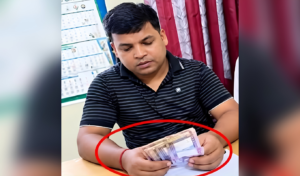
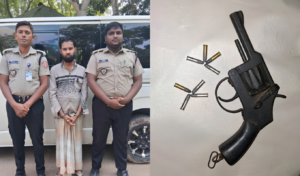
| Abdur Razzak bin Solaiman | Caught extorting businesses in Gulshan posing as a student leader. |
| Nahid Islam (NCP leader) | Accused of maintaining ties with controversial figures. |
| Hasibur Islam Nasif | Claimed that post-revolution, quota-based appointments returned internally. |
Nasif alleges the quota system made a comeback under new labels such as “brother,” “friend,” “senior,” and “junior,” rather than merit. He also criticised the government-funded divisional tour undertaken by the student leaders:
“We weren’t state agents. When the state paid our expenses, it was unethical, immoral, and illegal.”
Later, Nasif distanced himself from the platform, citing moral disillusionment.
Dhaka University student Israt Jahan Imu, an active participant in the revolution, lamented:
“July has become a tool for personal gain. The people’s original hopes have not materialised.”
Corruption and Power Abuse Continue Unabated
Analysts agree that anti-discrimination rhetoric has not translated into real change. Even those who assumed positions of power from the movement now face allegations of influence-peddling and corruption.
Controversial Incidents Involving New Leaders:
| Name | Controversy |
| Asif Mahmud’s Father | Accused of exerting political influence in Muradnagar, Cumilla. |
| Asif Mahmud (Advisor) | Implicated in corruption worth hundreds of crores with a personal aide. |
| Gazi Salauddin Tanvir | Suspended for interfering with DC appointments and textbook contract deals. |
| Sarjees Alam (NCP) | Criticised for parading in hometown with large motorcades. |
| Hannan Masud | Reprimanded for helping mob leaders evade consequences. |
Professor Ferdous comments that many new leaders emulate old political behaviours:
“They’ve grown up in the same culture. What they’ve seen is what they’re now doing. Real change is elusive.”
Gender Discrimination Remains Widespread
Women played a pivotal role in the movement, especially when students from Rokeya Hall broke curfew on 14 July 2024, protesting remarks made by then-Prime Minister Sheikh Hasina.
That night of resistance is widely seen as a turning point.
Yet, a year later, discriminatory rules remain in women’s dormitories. From clothing and mobility to professional opportunities, women continue to bear the brunt of systemic inequality.
Maisha Maliha, a former co-coordinator of the anti-discrimination platform, expressed disappointment:
“We had hoped for reform in social and political spheres. But reality shows the opposite—harassers are being welcomed back with flower garlands, facing no punishment.”
Maha Mirza believes the interim government, despite enjoying mass support, failed to take a strong stance:
“I blame the government. They did not act when they should have. They failed to deal with social problems decisively.”
Source: BBC