Questions have also been raised about Bangladesh’s diplomatic mission in Saudi Arabia after reports that the embassy was unaware of the executions. The cases have prompted renewed scrutiny of the country’s consular services, legal assistance arrangements and broader migration management system.
For Bangladesh, the issue carries considerable economic and human significance. Millions of citizens depend on overseas employment to support their families, while remittances contribute substantially to the national economy. However, the financial benefits of migration have also brought into focus the risks faced by workers who leave home in search of better livelihoods.
Saudi Arabia’s remittance contribution and the cost to workers
According to government figures cited in the report, Bangladesh received US$5.85 billion in remittances from Saudi Arabia during the 2025–26 financial year. This was 37.7 per cent higher than the previous financial year and accounted for 16.4 per cent of the country’s total remittance earnings.
The figures underline Saudi Arabia’s importance to Bangladesh’s economy. Money sent home by migrant workers helps families pay for education, healthcare, housing and daily necessities. It also contributes to the country’s foreign currency earnings.
However, the growth in remittances has not removed concerns about working conditions. Bangladeshi workers in Saudi Arabia have faced allegations involving unpaid wages, excessive working hours, inadequate food, confiscation of passports, threats from employers and difficulties obtaining legal remedies.
These problems can leave workers vulnerable, particularly when their accommodation and livelihoods depend on their employers. Workers who lack reliable information about their rights or access to independent assistance may struggle to report abuse or leave unsafe working environments.
The executions of Nazrul Islam and Sweety Akter have brought these concerns into sharper focus. Questions remain about the circumstances of their cases, the information available to Bangladeshi officials and the assistance that may have been provided before the sentences were carried out.
The reported lack of awareness at the Bangladeshi embassy has also raised questions about communication between local authorities, diplomatic representatives and the families of citizens facing serious criminal proceedings. Clarification from the relevant authorities would help establish what happened and whether opportunities for assistance were fully explored.
Female migrant workers face particularly serious risks
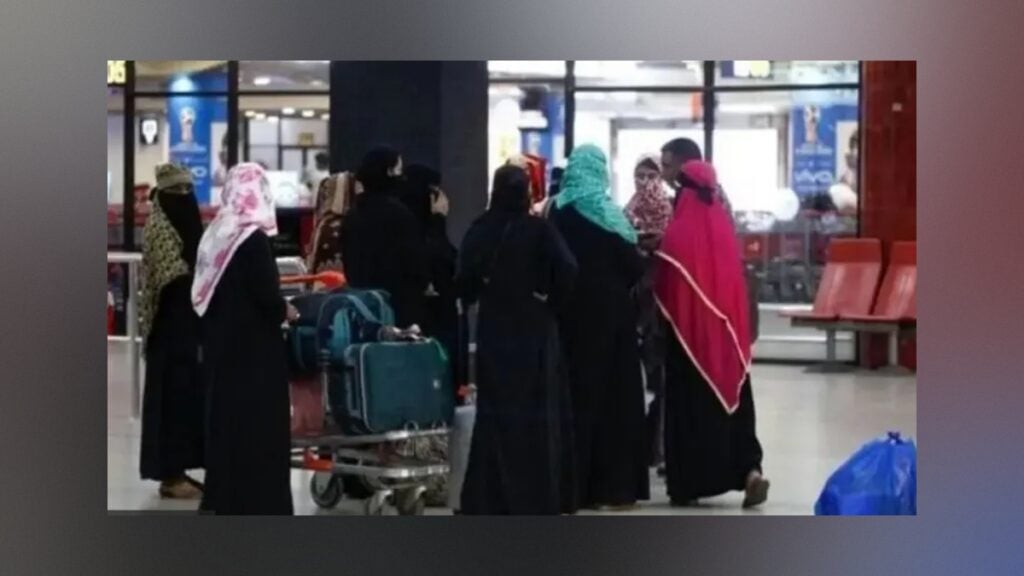
The situation of Bangladeshi women working in Saudi Arabia has drawn sustained concern from migration specialists and human rights advocates. Allegations include physical violence, sexual abuse, threats, withheld wages and restrictions on movement.
Women employed as domestic workers may face particular difficulties because their workplaces are often private households. Limited contact with people outside the home can make it harder to seek help, while dependence on an employer for accommodation and employment may discourage workers from reporting mistreatment.
Migrant rights specialist and human rights activist M Rayhan Kabir has described the disturbing experiences of women returning to Bangladesh after suffering abuse. Recounting one case, he said a woman had returned home with her child but did not know who the father was. According to his account, she could not determine whether the father was her employer, the employer’s son, one of the employer’s friends or the household’s driver.
The account highlights the severity of the allegations surrounding the treatment of some vulnerable migrant workers. Such cases require sensitive investigation, medical care, psychological support and access to legal assistance. Survivors must also be able to report abuse without fear of retaliation or further humiliation.
Shariful Hasan, head of BRAC’s migration programme, has alleged that hundreds of women return to Bangladesh from Saudi Arabia after experiencing abuse, while others return in coffins. He has criticised what he considers inadequate efforts to investigate these incidents, establish responsibility and prevent similar cases.
Hasan has also referred to Sri Lanka and Nepal, saying that these countries had taken decisions to suspend the deployment of female workers to Saudi Arabia over concerns about their safety. He argued that Bangladesh had not adopted an equally firm response.
According to Hasan, around 10,000 women returned to Bangladesh over a decade after experiencing various forms of violence, including physical and sexual abuse. His comments have renewed calls for closer scrutiny of recruitment practices and stronger safeguards for women working overseas.
Thousands return home amid concerns over abuse and deaths
Information from BRAC’s migration programme indicates that at least 70,000 women returned to Bangladesh from overseas over the past seven years. A portion of these women had experienced exploitation or abuse. During the same period, at least 800 bodies of female migrant workers were brought back to Bangladesh, according to the figures cited in the report.
These figures relate to overseas female workers generally and should not be interpreted as statistics exclusively concerning Saudi Arabia. Nor do they establish that all the deaths resulted from abuse or violence. Determining the circumstances of individual cases requires reliable records and, where necessary, proper investigations.
Even with these distinctions, the figures raise important questions about the support available to migrant workers and their families. When a worker dies abroad, relatives may struggle to obtain timely information about the circumstances. Delays can complicate arrangements for repatriation and make it harder to pursue compensation or investigate possible wrongdoing.
Women returning after abuse may also face financial hardship, health problems and psychological distress. Medical treatment, counselling, legal advice and support for rebuilding their livelihoods should therefore form part of the response, rather than assistance ending when they arrive in Bangladesh.
Effective protection must begin before departure. Workers need clear information about employment contracts, wages, working hours, accommodation, their rights and the procedures for reporting mistreatment. Recruitment agencies should also be subject to meaningful oversight, with mechanisms for investigating complaints against employers and intermediaries.
Nearly 2,000 Bangladeshi workers died in Saudi Arabia in nine months
According to the Wage Earners’ Welfare Board, approximately 2,000 Bangladeshi workers died in Saudi Arabia between January and 30 September this year.
Bangladesh sent more than 750,000 workers to Saudi Arabia in 2025, while an estimated 3 million to 3.5 million Bangladeshis currently live in the country. The scale of this community presents a considerable challenge for the authorities responsible for providing consular assistance and protecting migrant workers’ interests.
However, the overall death toll does not establish how many deaths were caused by workplace accidents, illness, abuse or other circumstances. A proper assessment requires information about individual cases, the causes of death and the findings of any investigations into suspicious incidents.
The authorities also need effective procedures for responding when workers go missing, are hospitalised, face detention or encounter disputes with employers. Families in Bangladesh may have limited means of obtaining reliable information about relatives thousands of miles away. Accessible emergency contacts and timely communication can make a significant difference in such situations.
When a worker dies, assistance may be required to notify the family, arrange the return of the body and help relatives pursue any benefits or compensation to which they are entitled. Where there are allegations of abuse, negligence or criminal conduct, the circumstances should be investigated appropriately.
The reported number of deaths therefore raises questions not only about worker safety but also about the quality of information available to the authorities and the effectiveness of support provided to affected families.
Embassy services and accountability under scrutiny
Journalist Masud Kamal has criticised the treatment some Bangladeshi migrant workers reportedly receive when seeking help from their embassy. He said that workers who send their hard-earned money home to sustain families and contribute to the national economy can nevertheless encounter indifference or discourteous behaviour when approaching diplomatic officials.
Kamal has argued that, although diplomatic missions may have capable personnel, their expertise is not always effectively applied to the practical problems faced by ordinary workers.
His criticism highlights the need to examine how consular services operate in practice. Workers who face unpaid wages, abusive employers, restrictions on their freedom or legal difficulties need clear information about where to seek assistance. Their complaints should be recorded, assessed and followed up rather than left unresolved.
An embassy’s responsibilities extend beyond routine documentation. Depending on the circumstances and the laws of the host country, diplomatic officials can help citizens contact local authorities, identify legal assistance, obtain information about detention or court proceedings and maintain communication with their families.
Cases involving the death penalty require particularly careful attention. When a Bangladeshi citizen faces capital punishment, timely information about the proceedings, available appeals and opportunities for consular assistance can be crucial.
Diplomatic missions cannot overturn another country’s judicial decisions, and their ability to intervene is constrained by the host country’s laws and procedures. Nevertheless, appropriate engagement and access to accurate information remain important elements of protecting citizens facing serious criminal charges.
In the cases of Nazrul Islam and Sweety Akter, questions about the embassy’s role need clear answers from the relevant authorities. Establishing what officials knew, when they received the information and what assistance was possible would help determine whether there were shortcomings in communication or consular support.
A stronger protection system is needed before workers leave
Migration specialists argue that Bangladesh should not wait until workers encounter serious problems abroad before taking action. Effective protection needs to be built into the entire migration process, from recruitment and pre-departure training to overseas employment and eventual return.
Workers should receive accurate information about the laws and working conditions in their destination country, their contractual rights and the procedures for reporting abuse. Recruitment agencies must be held accountable for misleading information or improper practices, while employment terms should be clear before workers leave Bangladesh.
Female domestic workers require particular attention because their working environments can make independent contact with support services difficult. Confidential reporting channels, reliable emergency contacts, access to safe accommodation and practical assistance in leaving abusive situations can help reduce their vulnerability.
Bangladesh’s diplomatic missions also need sufficient staff, resources and clear procedures for handling complaints. Stronger coordination with relevant Saudi authorities, accessible emergency services and transparent follow-up mechanisms could improve the support available to migrant workers.
Co-operation between government agencies, recruitment organisations, civil society groups and migrant rights specialists would also help identify recurring problems. Complaints should be investigated, responsibility established where the evidence supports it, and appropriate action taken to prevent further abuse.
For those who return after exploitation, the process should not end at the airport. Healthcare, counselling, legal assistance and reintegration support can help survivors recover and rebuild their lives.
Remittances must go hand in hand with human dignity
Saudi Arabia remains a vital labour market for Bangladesh, and overseas employment will continue to provide livelihoods for many families. Maintaining this economic relationship is important, but the protection of migrant workers cannot be treated as a secondary concern.
The executions of Nazrul Islam and Sweety Akter, allegations of abuse against female workers and the reported deaths of nearly 2,000 Bangladeshi workers in Saudi Arabia over nine months have brought renewed attention to the country’s migration management system.
The central issue is not simply how much money workers send home. It is whether they can earn that money in safe conditions, obtain assistance when their rights are violated and receive appropriate support when they face serious legal or personal difficulties abroad.
The government needs to strengthen consular services, improve oversight of recruitment practices, ensure transparent investigations into suspicious deaths and establish clear procedures for assisting citizens facing abuse or criminal proceedings. Greater accountability would also help families obtain reliable information about the circumstances affecting their relatives.
Remittances are a vital contribution to Bangladesh’s economy, but they are earned through the labour and sacrifices of individual people. Their lives, rights and dignity deserve protection equal to the economic benefits they provide. Ensuring that Bangladeshis working overseas receive effective assistance and fair treatment must remain a central responsibility of the state.