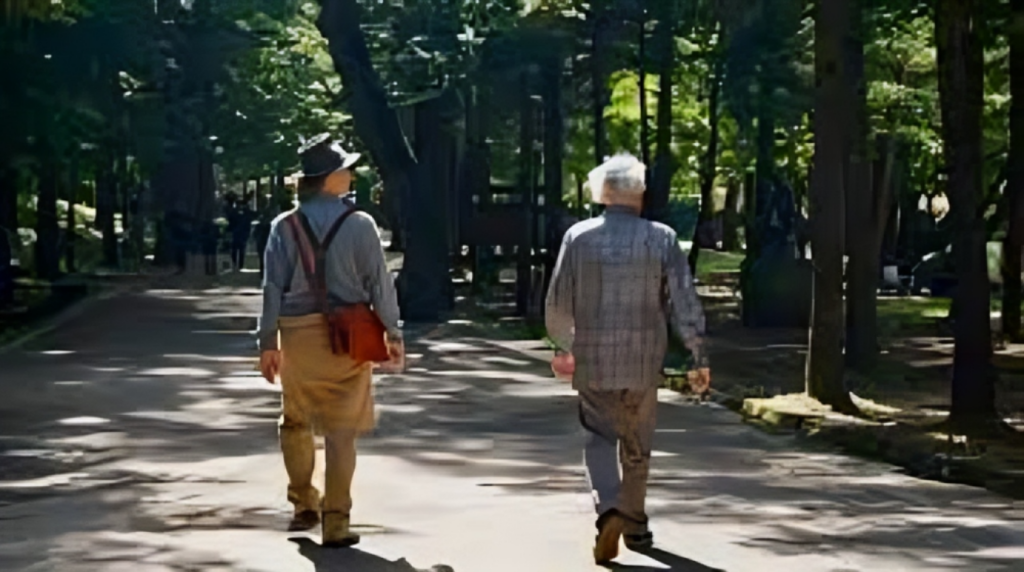
Official data revealed that the population of Japanese nationals decreased by a record amount—exceeding 900,000 people—in 2024, as Japan continues to grapple with persistently low birth rates.
While numerous developed nations face challenges related to declining birth rates, the situation in Japan is particularly severe, with its population shrinking year after year.
Prime Minister Shigeru Ishiba has described the situation as a “quiet emergency”, promising to introduce family-friendly policies, such as more flexible working hours and free childcare services, in an effort to reverse the demographic downturn.
Population Decline Overview
| Year | Population Decrease (Japanese Nationals) | Percentage Decrease | Total Japanese Population (million) |
| 2024 | 908,574 | 0.75% | 120.65 |
| Trend | 16 consecutive years of decline |
The population of Japanese nationals fell by 908,574 last year, a 0.75 percent drop, bringing the total to 120.65 million. This marks the sixteenth consecutive year of decline and is the largest annual decrease since the survey began in 1968, according to the Ministry of Internal Affairs and Communications
Foreign Resident Population
Despite the decline in Japanese nationals, the number of foreign residents in Japan reached a record high.
| Date | Number of Foreign Residents | Percentage of Total Population | Total Population (million) |
| 1 January 2025 | 3.67 million | Nearly 3% | Over 124.3 |
As of 1 January 2025, there were 3.67 million foreign residents in Japan, constituting almost 3% of the total population, which stood at just over 124.3 million. The overall population declined by 0.44% compared to 2023.
Political and Social Context
The government faces mounting difficulties in raising Japan’s persistently low birth rates. Public dissatisfaction with inflation and other socio-economic issues has also led to the emergence of a new opposition party campaigning under the slogan “Japanese First”. This anti-immigrant party has, without basis, claimed that foreign residents receive more welfare benefits than Japanese nationals.
Age Demographics
Japan’s population continues to age rapidly, with the elderly constituting a significant proportion.
| Age Group | Percentage of Population | Change from Previous Year |
| 65 years and older | Nearly 30% | Slight increase |
| 15 to 64 years | Approximately 60% | Slight increase |
According to the World Bank, Japan has the world’s second-oldest population after Monaco.
Birth Rate Statistics
The birth rate in Japan has plummeted to historic lows.
| Year | Number of Births | Change from Previous Year | Notes |
| 2024 | 686,061 | 41,227 fewer | Lowest since 1899 records began |
Health ministry data released in June indicated that the number of births fell below 700,000 for the first time in recorded history, with only 686,061 babies born in 2024.
Japan faces a demographic crisis of unprecedented scale, with a shrinking and rapidly ageing population posing profound challenges for the nation’s economic future and social welfare systems. The government’s initiatives to encourage childbirth and support families will be critical in the years ahead.