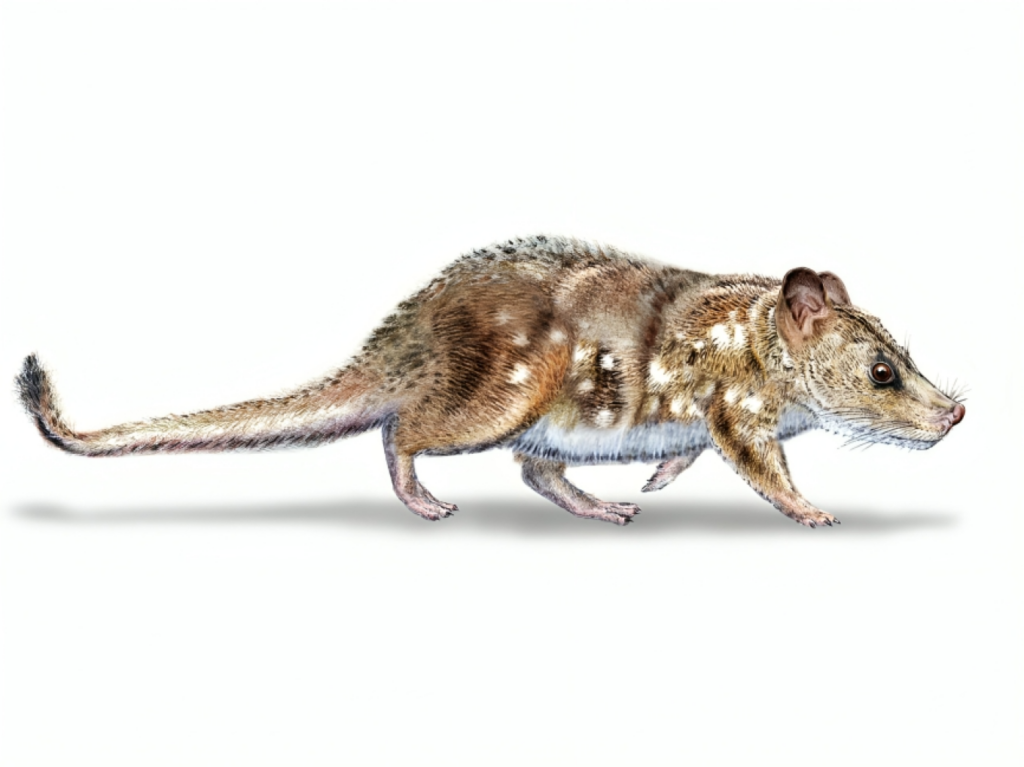
Scientists have uncovered the fossil of a diminutive mouse-sized mammal that lived during the age of dinosaurs, in Chilean Patagonia.
Details of the Fossil and Its Significance
The species, named Yeutherium pressor, weighed between 30 and 40 grams (approximately one ounce) and lived during the Upper Cretaceous period, roughly 74 million years ago.
It represents the smallest mammal ever discovered in this part of South America, dating back to when the continent was part of the ancient landmass known as Gondwana.
Fossil Composition and Research Team
The fossil comprises:
- A small piece of jawbone
- One molar tooth
- The crown and roots of two additional molars
This was explained by Hans Puschel, who led the scientific team from the University of Chile and Chile’s Millennium Nucleus research centre focusing on early mammals.
The discovery was recently published in the British scientific journal Proceedings of the Royal Society B.
Location and Geological Context
Researchers found the fossil in the Río de las Chinas Valley, located in Chile’s Magallanes region, approximately 3,000 kilometres (1,864 miles) south of the capital, Santiago.
Biological Characteristics and Lifestyle
Although resembling a small rodent, Yeutherium pressor was a mammal that likely:
- Laid eggs, similar to the modern platypus
- Or carried its young in a pouch, like kangaroos or opossums
The shape of its teeth indicates it probably consumed relatively hard vegetation.
Extinction and Coexistence with Dinosaurs
Like the dinosaurs it lived alongside, this tiny mammal abruptly became extinct at the end of the Cretaceous period, around 66 million years ago.
Yeutherium pressor Key Facts
| Feature | Description |
| Species Name | Yeutherium pressor |
| Size and Weight | Mouse-sized, 30-40 grams (approx. 1 ounce) |
| Geological Period | Upper Cretaceous, ~74 million years ago |
| Fossil Components | Jaw fragment with one molar; crown and roots of two other molars |
| Discovery Location | Río de las Chinas Valley, Magallanes region, Chile |
| Biological Traits | Likely egg-laying or pouched mammal; herbivorous diet |
| Extinction | End of Cretaceous period, ~66 million years ago |
| Published Research | Proceedings of the Royal Society B (British scientific journal) |