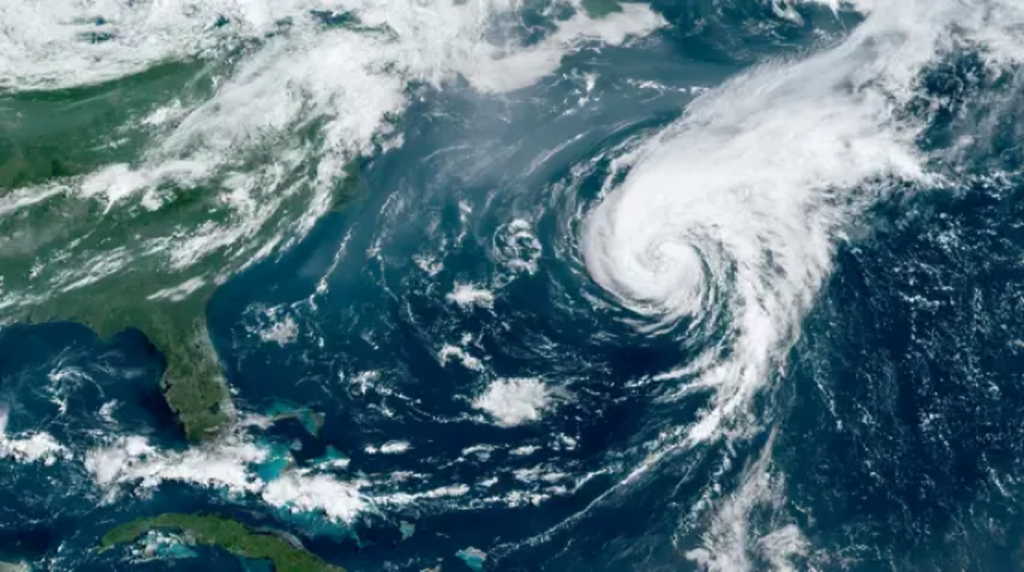
Hurricane Erin strengthened on Friday as it churned across the Atlantic Ocean, moving towards the Caribbean, where it threatens heavy rainfall for the Virgin Islands and Puerto Rico.
The US National Hurricane Center (NHC) reported that, as of 0000 GMT, Erin’s maximum sustained winds had risen to 85 miles per hour (137 km/h). The hurricane was located approximately 310 miles east of the northern Leeward Islands, which include the US and British Virgin Islands.
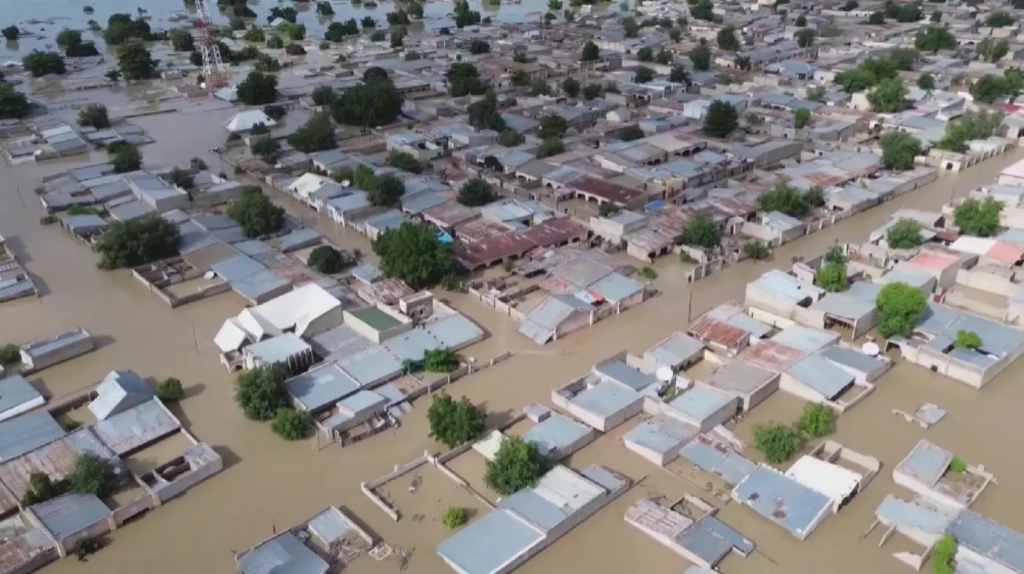
Erin, the first hurricane of the Atlantic season, is expected to produce heavy rain from late Friday through Sunday in affected areas. The NHC issued warnings of:
- Isolated and localised “considerable flash and urban flooding”
- Potential landslides and mudslides
A tropical storm watch is currently in effect for:
- Anguilla
- St. Martin
- St. Barthelmy
- Other nearby islands
The NHC also warned: “Steady to rapid strengthening is expected over the next few days, and Erin is forecast to become a major hurricane during the weekend.”
The storm’s projected path places Haiti, the Dominican Republic, and the Bahamas along its southern edge. Erin may bring up to six inches (15 cm) of rain to isolated areas.
Swells generated by Erin are anticipated to affect parts of:
- The Leeward Islands
- The Virgin Islands
- Puerto Rico
These conditions are likely to create life-threatening surf and rip currents, the NHC warned.
While meteorologists expect Erin to turn northward by late Sunday and remain well off the US coastline, dangerous waves and coastal erosion may still occur, particularly along North Carolina.
The Atlantic hurricane season, running from June to late November, is expected to be more active than usual, according to US meteorologists.
- Last year’s storms: Powerful hurricanes, such as Helene, caused widespread destruction, resulting in over 200 fatalities in the southeastern United States.
- Operational challenges: As part of federal restructuring plans under President Donald Trump, the National Oceanic and Atmospheric Administration (NOAA) — which operates the NHC — has faced budget cuts and staff reductions, raising concerns about potential gaps in storm forecasting.
- Climate factors: Scientists note that rising sea temperatures, largely driven by the burning of fossil fuels, increase both the likelihood of more intense storms and their potential for rapid intensification.
Hurricane Erin Indicators
| Parameter | Details |
| Wind Speed | 85 mph (137 km/h) |
| Location | 310 miles east of northern Leeward Islands |
| Areas Under Tropical Storm Watch | Anguilla, St. Martin, St. Barthelmy, others |
| Expected Rainfall | Up to 6 inches (15 cm) in isolated areas |
| Potential Hazards | Flash floods, urban flooding, landslides, mudslides, dangerous surf |
| Forecast | Rapid strengthening; may become a major hurricane this weekend |
| Atlantic Hurricane Season | Expected to be more intense than normal |
Erin serves as a stark reminder of the growing intensity of Atlantic storms in a warming climate, compounded by operational and logistical challenges in forecasting.