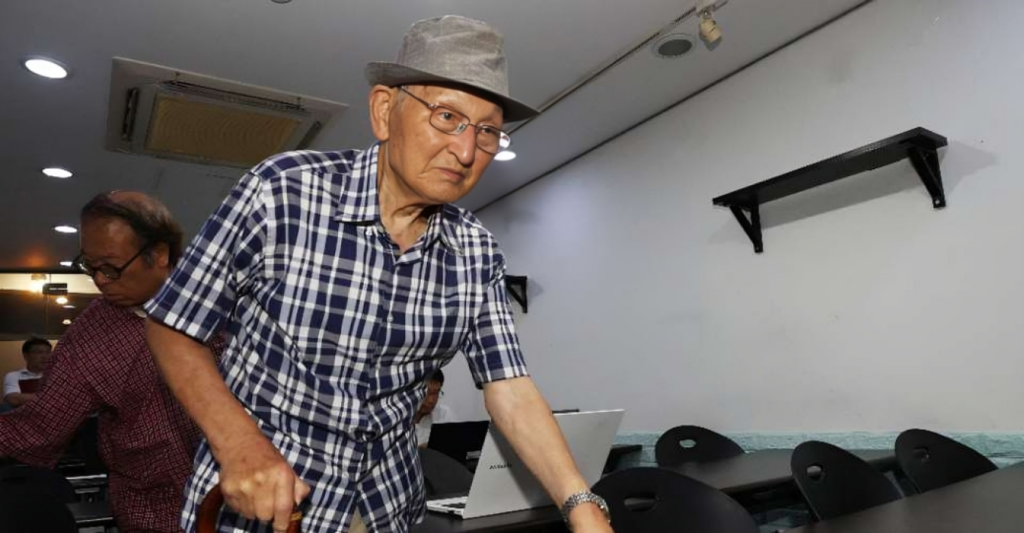
Seoul, South Korea – 20 August 2025 – Six elderly men who once served long prison sentences in South Korea for spying on behalf of North Korea have formally requested to be sent to the North, decades after their release, a Seoul unification ministry official told AFP on Tuesday.
Background of the Former Prisoners
- Age Range: 80 to 96 years
- Crime: Spying for North Korea
- Prison Term: Several decades in South Korean jails
- Ideology: Refused to renounce communist beliefs during incarceration
One notable former prisoner, Ahn Hak-sop, aged 95, was arrested during the Korean War and spent over 40 years in prison before being released.
“We have received an official request for repatriation,” said an official at the Unification Ministry overseeing inter-Korean affairs.
“We are looking at various ways to address this,” they added, without providing further details.
Government and Civic Group Response
A civic group representing the six men submitted a request to the government on Wednesday, arguing that they should be treated as “prisoners of war”, whose repatriation requests should be respected under the Geneva Convention.
The Unification Ministry official noted that more former convicts in similar positions may soon demand repatriation, though the government does not have an exact figure of how many remain alive.
| Details | Information |
| Number of men | 6 |
| Age range | 80–96 |
| Length of imprisonment | Decades |
| Ideology | Communist, refused to renounce beliefs |
| Legal argument | Geneva Convention – Prisoners of War |
Political Context
The request comes after South Korea’s new President Lee Jae Myung, elected in a June snap poll, pledged to improve ties with nuclear-armed North Korea and resume dialogue.
Recent pro-Pyongyang gestures under Lee’s administration include:
- Removal of propaganda loudspeakers along the border, a long-standing irritant to the North
- Promises to respect North Korea’s political system and build military trust
Despite these moves, tensions remain. On Monday, Kim Yo Jong, sister of North Korean leader Kim Jong Un, declared that the North has “no will to improve relations” with South Korea.
Historical Context
South Korea has previously repatriated former North Korean prisoners:
- Year: 2000
- Number of “unconverted” prisoners: 63
- Method: Via the border truce village of Panmunjom
- Significance: This remains the first and only such repatriation event to date
The current request highlights lingering Cold War-era tensions on the Korean Peninsula, decades after the 1950–53 Korean War ended in an armistice rather than a formal peace treaty.